
 Search for...
 English
 Español
 日本語
日本語
 한국어
한국어
 عربى
عربى
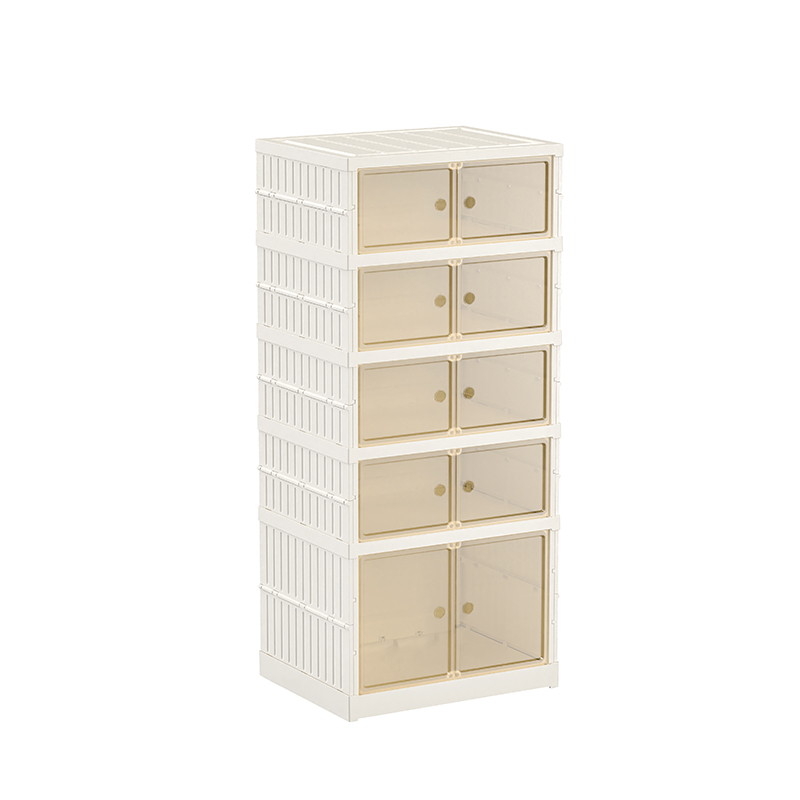
Multi-Purpose 6-Tier Foldable Storage Cabinet

Short answer: yes, food stored in plastic containers is generally safe, but only when the container is food-grade and used within its intended limits. A growing body of research links food packaging to microplastic exposure, and that has made many consumers understandably cautious. The caution is justified, yet the practical picture is far more nuanced than alarming headlines suggest.
What makes plastic food storage safe is not the absence of all risk but the control of the factors that increase it: material composition, food type, temperature, and duration of contact. These four factors decide whether your plastic containers are a convenient kitchen tool or a source of unnecessary exposure. Understanding them matters for everyone who meal-preps on a Sunday, packs school lunches, or stores leftovers on a busy weeknight.
Independent reviews of plastic container safety, including work published by the National Library of Medicine, conclude that properly manufactured plastic containers are reasonably safe when they are protected from heat and used with appropriate foods. The same reviews identify the concerns that dominate public debate: food packaging can be a direct source of microplastics and nanoplastics measured in food, and certain chemicals used in plastic manufacturing may migrate into the contents.
These two statements are not contradictory; they describe the same material under different conditions. A PET box kept cool, filled with washed fruit, and replaced as soon as it is scratched behaves very differently from the same box microwaved with last night's curry. Plastic does not release toxins randomly. Its release is driven by temperature, contact time, and the nature of the food inside.
Every plastic container in the kitchen carries a small resin identification code — a number inside a triangle — that identifies the polymer used. This code is the first filter in deciding what belongs in your fridge and what should stay on the shelf.
| Code | Polymer | Common food-related uses | General safety note |
|---|---|---|---|
| 1 (PET) | Polyethylene terephthalate | Fridge storage boxes, water bottles | Safe when kept cool; not for hot food |
| 2 (HDPE) | High-density polyethylene | Milk jugs, thicker storage jugs | Safe and chemically resistant |
| 3 (PVC) | Polyvinyl chloride | Some cling films and packaging | Avoid for food storage where possible |
| 4 (LDPE) | Low-density polyethylene | Bread bags, squeezable bottles | Safe but less durable |
| 5 (PP) | Polypropylene | Meal-prep containers, microwave-safe lids | Best food-grade choice for repeated use |
| 6 (PS) | Polystyrene | Takeout clamshells, disposable cups | Avoid with hot, acidic, or oily foods |
| 7 (Other) | Polycarbonate, PLA, mixed resins | Reusable bottles, new bioplastics | Check for BPA-free labeling; formula varies |
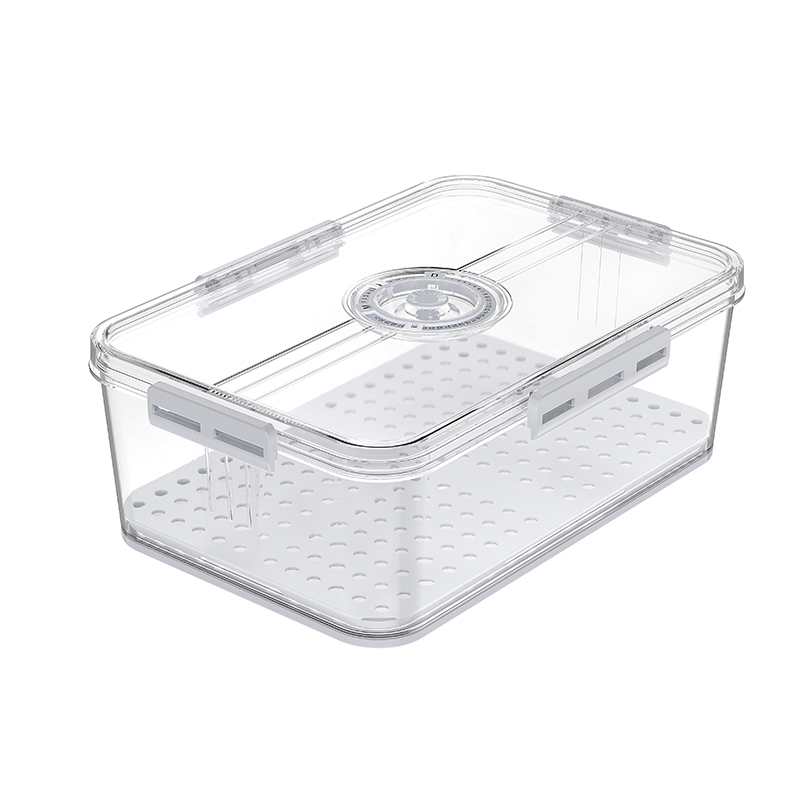
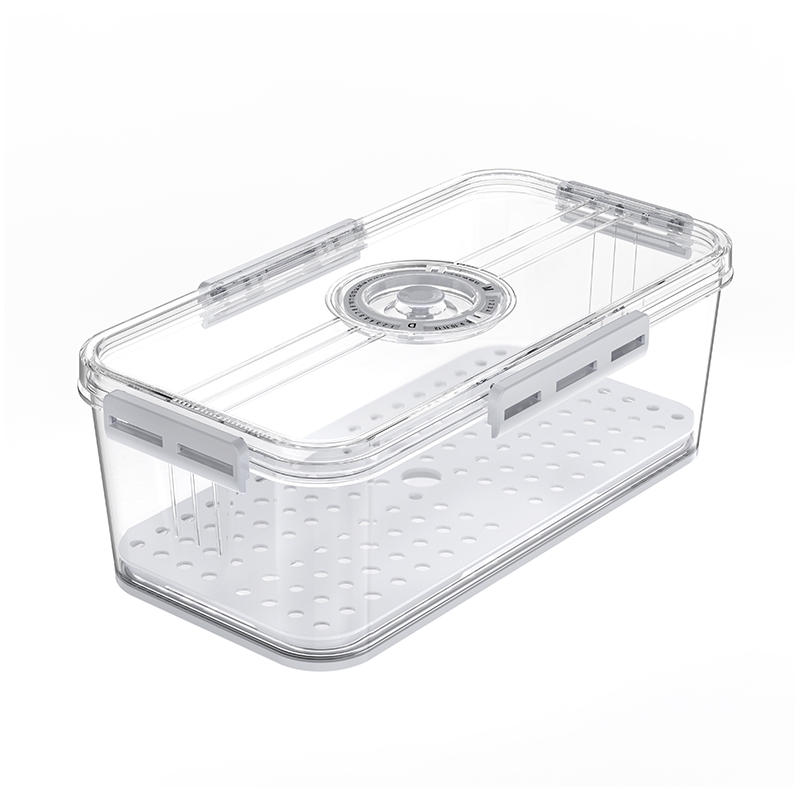
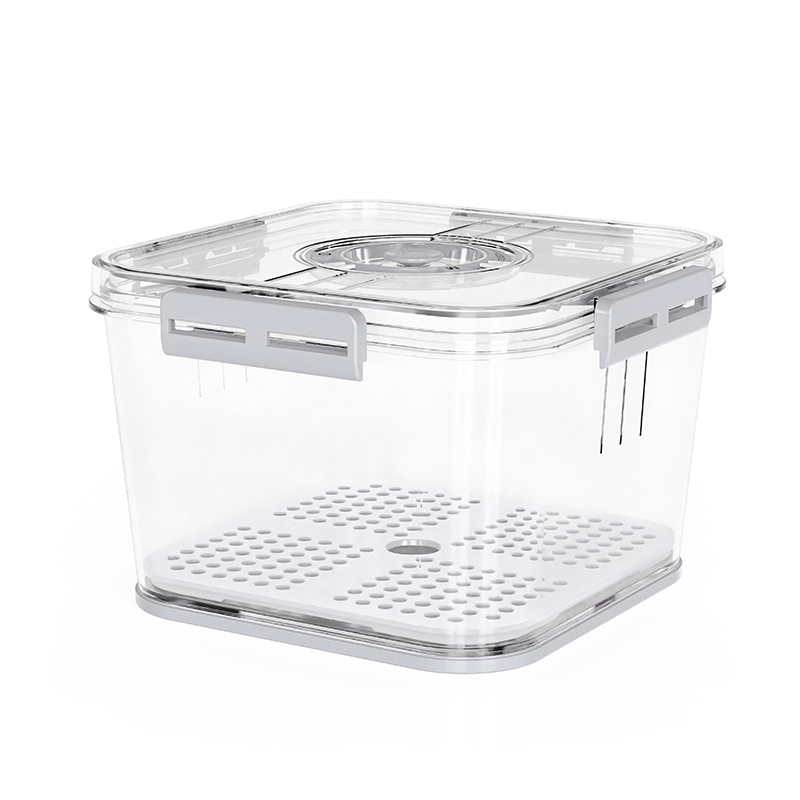
Codes 1 and 5 are the workhorses of everyday food storage. PET is transparent, which makes it ideal for fridge organization boxes because you can see the contents at a glance. PP tolerates higher temperatures and appears in microwave-safe lids and containers. This is also where container design makes a practical difference. A medium stackable PET fridge food storage box with drain board, for example, uses food-grade PET and lifts produce above excess moisture so items stay crisp longer. Tests on how PET fridge containers perform in keeping food fresh compared to other storage options show that this combination of material and design slows spoilage in normal fridge conditions.
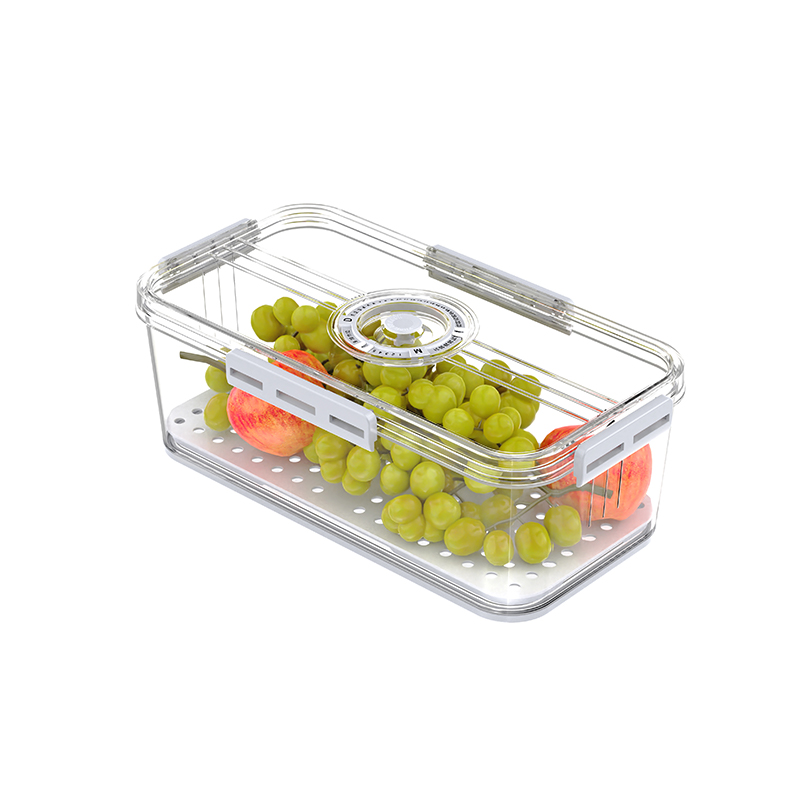 Drain Storage Box Manufacturers, Non -Slip Bottom Pad Box SuppliersNingbo Orgwiser Plastic Products Co., Ltd. is China Drain Storage Box Manufacturers and Non -Slip Bottom Pad Box Suppliers, offer Wholesa...View Product →
Some foods are chemically active enough to interact with plastic over time. They are not dangerous the moment they touch the container, but prolonged contact increases the chance of chemical migration.
Tomato sauce, citrus fruits, vinegar-based dressings, and pickled vegetables are the clearest examples. Acids can slowly degrade polymer chains, and the process speeds up at warmer temperatures. One night in the fridge is not a crisis; storing a week's supply of lemon-marinated chicken in plastic is less ideal.
Oils can act like a solvent on plastic. Cooking oil, nut butters, fatty meats, and creamy dressings may pull lipophilic additives from the container into the food. For long-term storage of oily dishes, glass or ceramic is the safer choice.
Heat is the strongest accelerator of chemical migration in plastic. Food that is still steaming should never go directly into a plastic container. Let it cool on the counter for 15 to 20 minutes, then transfer it. This single habit removes the most significant risk factor.
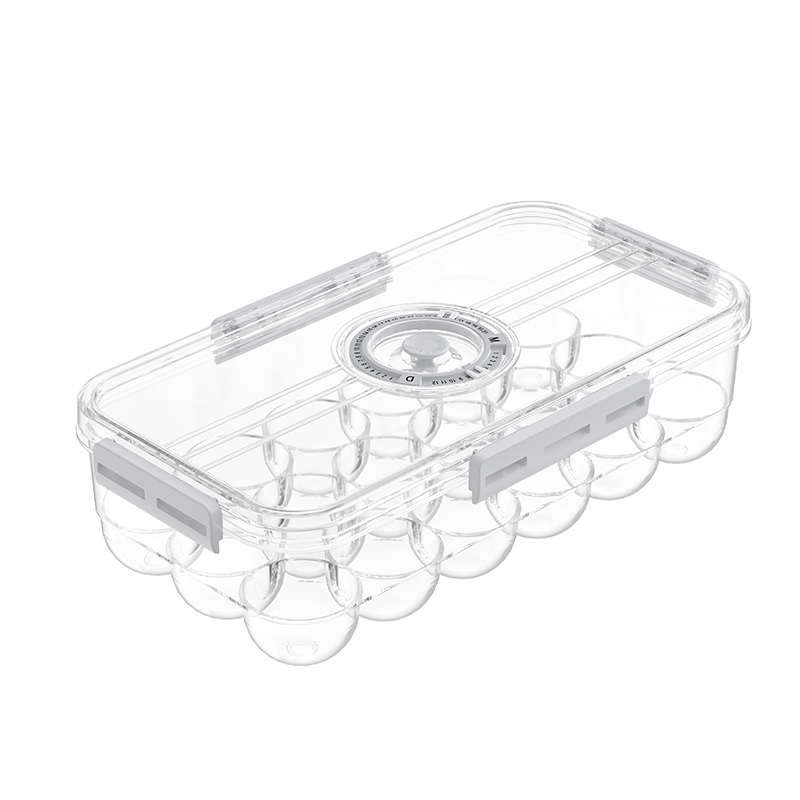
Eggs are a low-risk food for plastic storage, which is why dedicated egg containers work so well. A stackable 18-count egg storage bin with time tracker lid keeps eggs separated, protects them from absorbing refrigerator odors, and makes freshness easy to track. Dairy products and dry staples like rice and pasta also store well in sealed food-grade containers at the correct temperature.
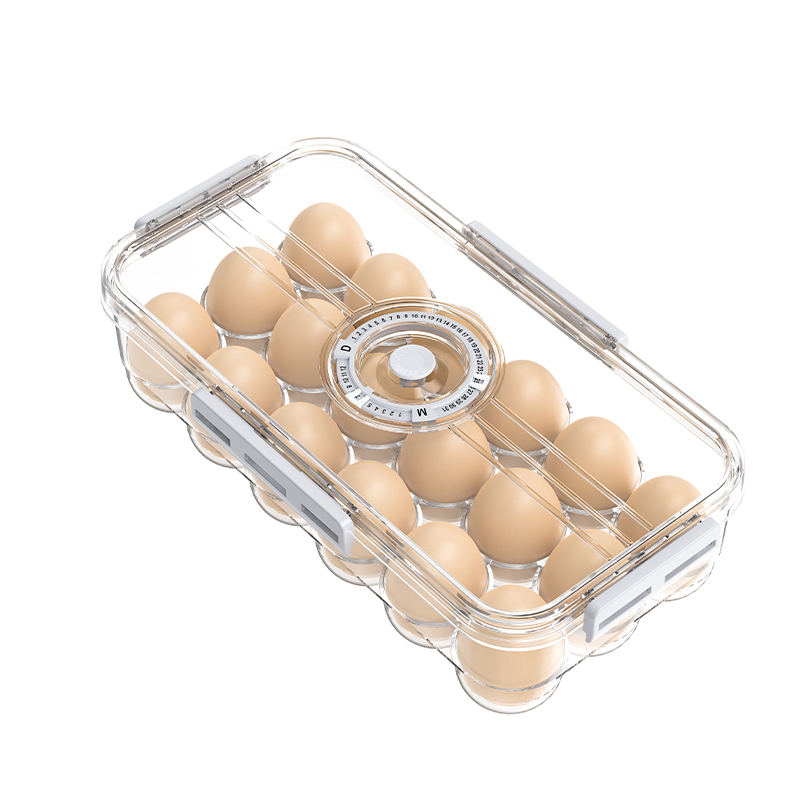 Egg Storage Box Manufacturers, Food -Grade Plastic Boxes SuppliersNingbo Orgwiser Plastic Products Co., Ltd. is China Egg Storage Box Manufacturers and Environmental Protection, Food -Grade Plastic Boxes...View Product →
If you are going to store food in plastic, store it with purpose. These habits separate safe use from careless use.
The terms food-grade and food-safe are frequently used interchangeably, but they describe different things. Food-grade refers to the raw material: the polymer resin, colorants, and additives have been approved for food contact. Food-safe refers to the finished product: once the container is molded, printed, and assembled, it will not transfer non-food chemicals into food under normal use.
Consumers rarely see this distinction at the store, but it is critical in the supply chain. When a manufacturer produces food-grade storage boxes, the factory must ensure that the dye masterbatch, printing inks, and sealing gaskets all meet food-contact requirements. This is a core requirement for any supplier serving the export kitchenware market, which is why food-grade storage products are creating a new trend in healthy and convenient home life across the global market. Buyers who ask precise questions about materials and standards tend to find suppliers that answer them precisely.
Plastic food containers do not need to be banned from the kitchen. They need to be chosen and used responsibly. Select food-grade materials, match the container to the food, keep heat away, and retire containers once they show wear.
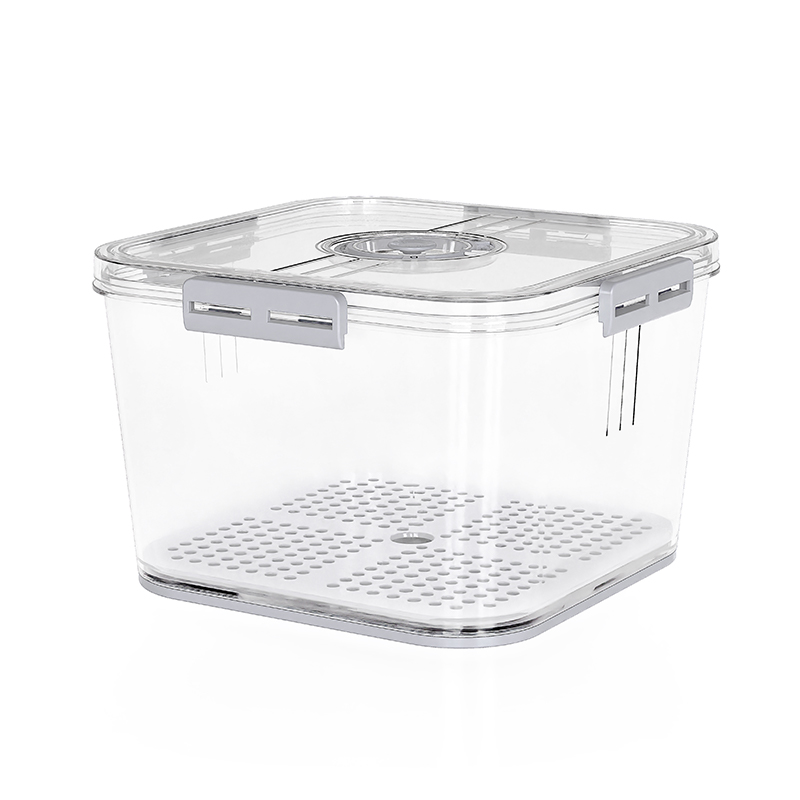
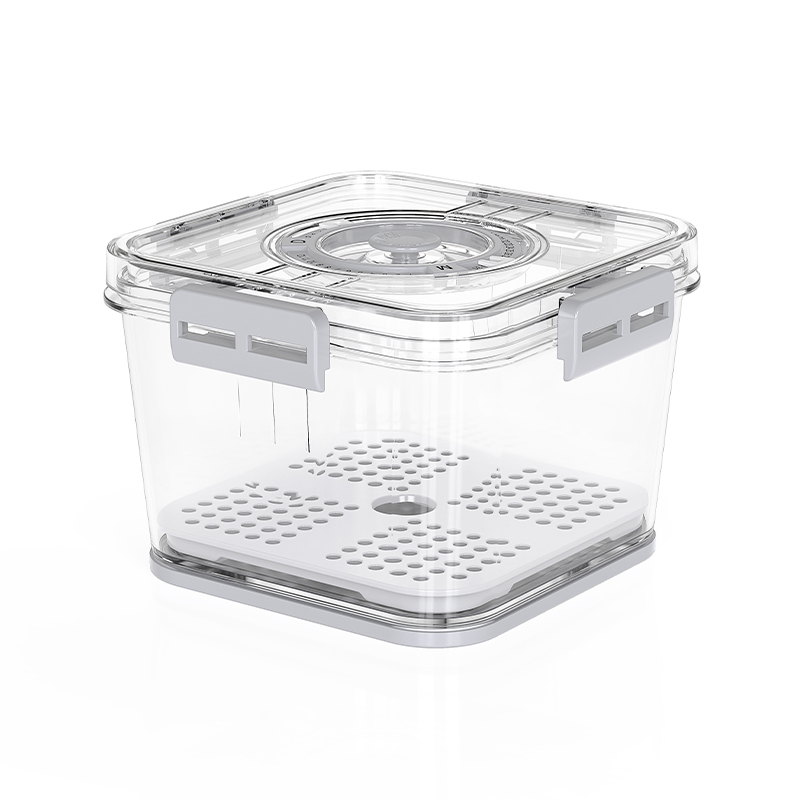
Manufacturers are responding to this demand with smarter designs. Vacuum-sealed containers, drain boards, and time-tracker lids all address real problems in food storage. For households that want the convenience of plastic without the usual trade-offs, a medium vacuum fridge food storage box removes air from the container to slow bacterial growth and extend the freshness of deli meats, cheeses, and cut produce.
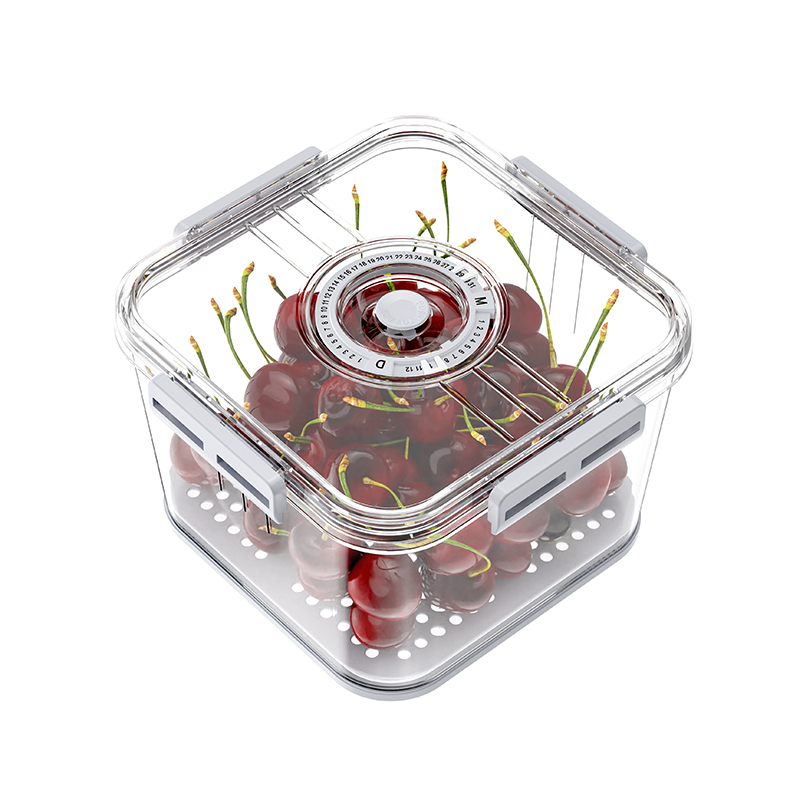 Wholesale Medium Vacuum Fridge Food Storage Box Manufacturers, OEM/ODM SuppliersNingbo Orgwiser Plastic Products Co., Ltd is China Medium Vacuum Fridge Food Storage Box Manufacturers and OEM/ODM Medium Vacuum Fridge F...View Product →
For most families, the right mix is a few well-made PET and PP containers for everyday use, glass for acidic or oily leftovers, and a firm rule about never reheating in plastic. That combination keeps food fresh, keeps the kitchen organized, and keeps the debate about plastic storage containers in perspective.


Zhangqi Industrial Park, Cixi City, Ningbo City, Zhejiang Province

