
 Search for...
 English
 Español
 日本語
日本語
 한국어
한국어
 عربى
عربى
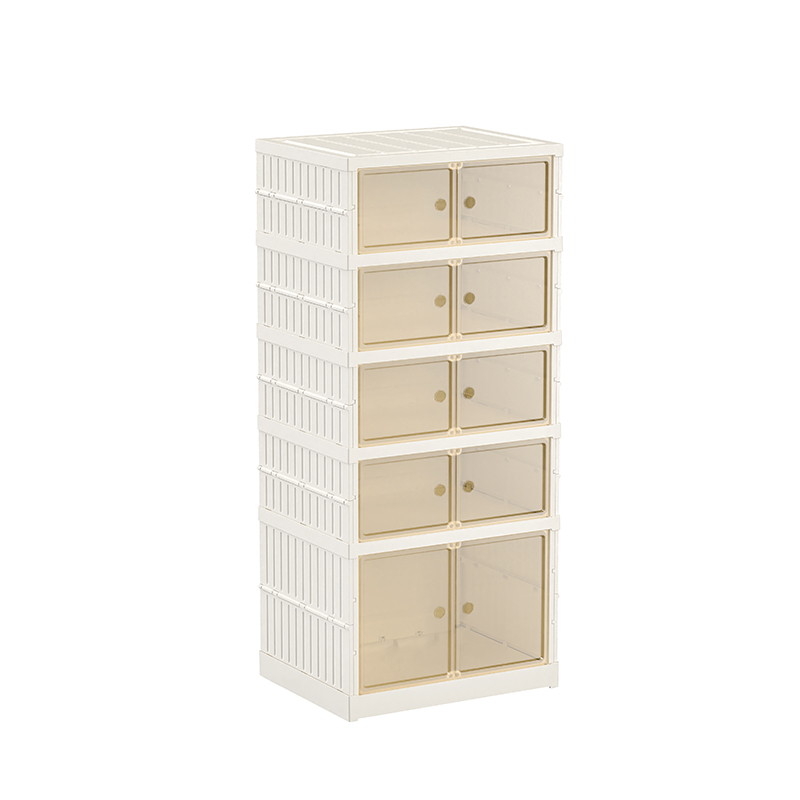
Multi-Purpose 6-Tier Foldable Storage Cabinet

Plastic storage containers remain the most practical and cost-effective organization solution for most homes — not because they're glamorous, but because they work. The best home plastic storage choices come down to three things: the right plastic type for the environment, appropriate sizing for the contents, and a lid or seal design that actually holds up over time. Getting those three right means your storage system will still be functional in a decade; getting them wrong means cracked bins, warped lids, and a cluttered garage all over again within a year or two.
Most people pick a storage bin by price or color. The more useful filter is the resin code — the number stamped inside the recycling triangle on the bottom of every plastic product. Different plastics behave very differently under stress, temperature change, UV exposure, and moisture. Buying the wrong type for your environment is the most common reason plastic storage fails prematurely.
| Resin Code | Plastic Type | Common Uses | Key Strengths | Weaknesses |
|---|---|---|---|---|
| #2 HDPE | High-Density Polyethylene | Laundry baskets, outdoor bins, utility totes | UV resistant, impact resistant, moisture proof | Opaque; not ideal for see-through storage |
| #5 PP | Polypropylene | Food containers, drawer organizers, stackable bins | Food-safe, heat-tolerant, semi-transparent | Can become brittle in cold; limited UV resistance |
| #1 PET | Polyethylene Terephthalate | Clear canisters, pantry jars | Crystal clear, lightweight, rigid | Not ideal for long-term reuse; scratches easily |
| #7 PC/Other | Polycarbonate / Mixed | Heavy-duty clear totes, tool storage | Extremely impact resistant, clear | More expensive; some older formulations contain BPA |
For most indoor home storage — closets, pantries, under beds — polypropylene (#5 PP) is the best default choice. It's food-safe, tolerates dishwasher temperatures, doesn't absorb odors, and is available in a wide range of sizes and configurations. For garages, attics, and outdoor storage areas, HDPE (#2) is more durable under temperature swings and UV exposure.
One practical note: the word "BPA-free" on packaging tells you what's absent but not what plastic was used. Always check the resin code to confirm the actual material, especially for food storage and children's items.
The kitchen is where plastic storage has to work hardest — containers go from freezer to microwave to dishwasher, they hold acidic foods, fatty leftovers, and dry goods for months at a time. Not all plastic storage sold for kitchen use can actually handle all of those conditions.
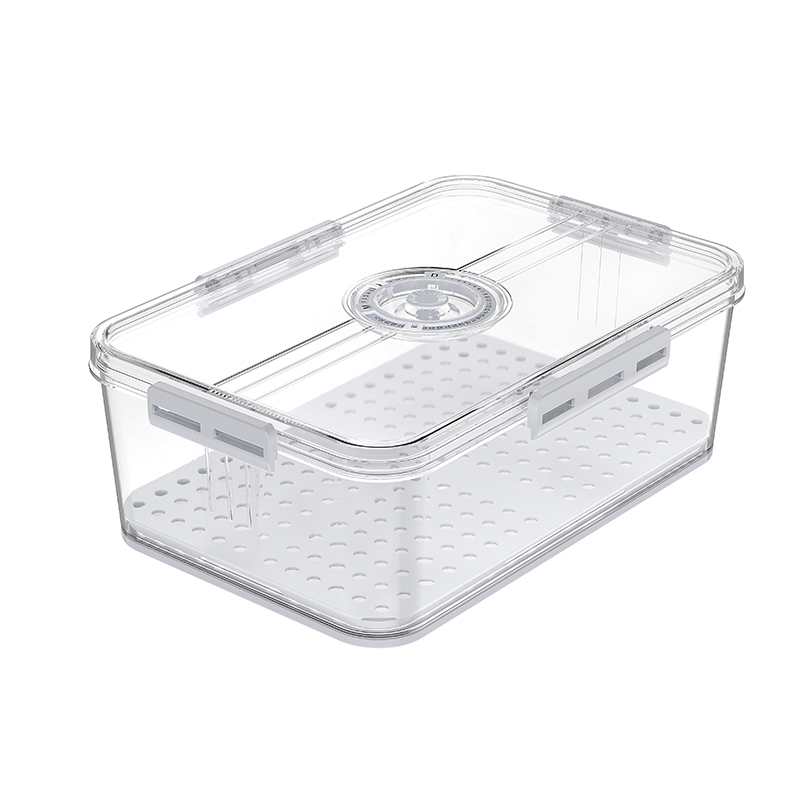
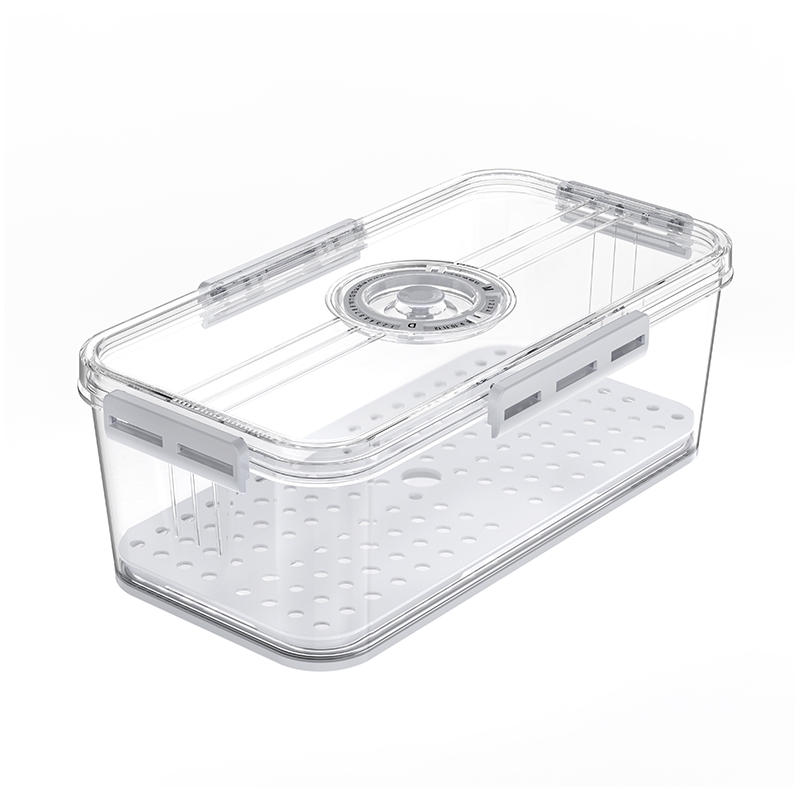
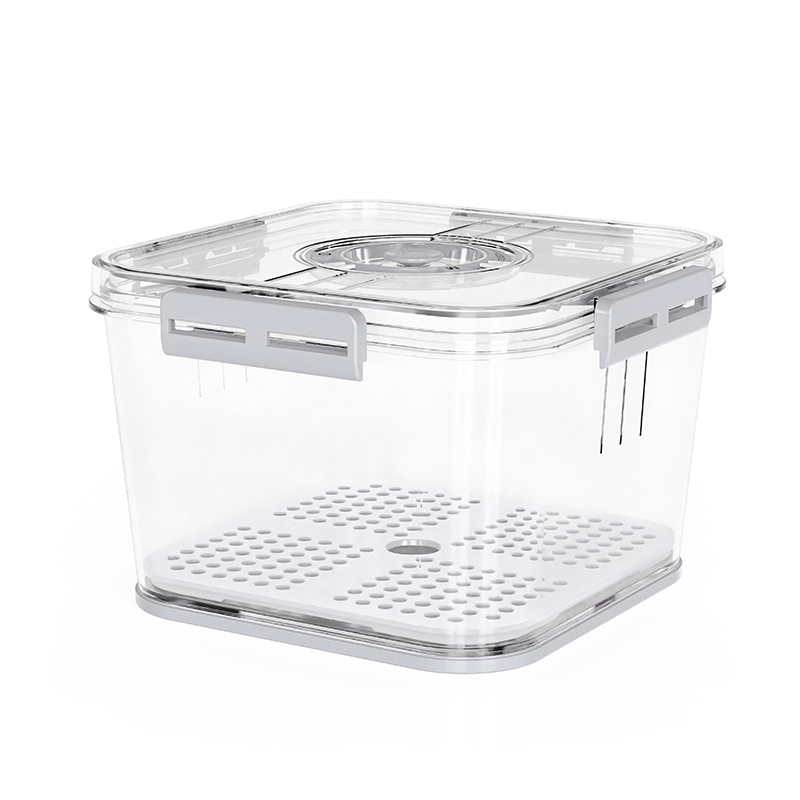
For pantry dry goods — flour, pasta, cereal, snacks — airtight canisters with a gasket-sealed lid are worth the premium over standard snap-top containers. A proper airtight seal prevents moisture absorption that causes clumping and extends shelf life meaningfully. OXO Pop containers and similar gasket-lid designs create a near-vacuum seal and are widely considered the benchmark in this category.
For refrigerator and freezer storage, look for containers explicitly rated for both microwave and freezer use. Temperature shock — going from a freezer at -4°F to a microwave — stresses plastic significantly. Containers that aren't rated for this range will warp, crack, or leach compounds into food over time. Rubbermaid Brilliance (Tritan plastic) and Snapware Total Solution (PP) are two lines with strong dual-rated performance.
Under-sink storage is often overlooked but one of the most chaotic areas in any kitchen. Stackable plastic bins with pull-out drawers or open-front designs work well here — they don't require removing everything to find what's at the back. Moisture is a factor under sinks due to pipe condensation, so HDPE bins or any water-resistant plastic is preferable to polystyrene, which can degrade with prolonged moisture exposure.
For cabinet interiors, stackable PP bins with removable dividers let you customize compartments without permanently altering the cabinet. The iDesign and Sterilite lines offer consistent sizing that tiles well without gaps, which matters when you're fitting bins into fixed shelf heights.
Closets and bedrooms benefit most from plastic storage that stacks cleanly, is easy to label, and takes advantage of vertical space that would otherwise go unused. The two most practical formats here are stackable clear bins and under-bed storage boxes.
Transparent or semi-transparent bins let you identify contents at a glance — a practical advantage over opaque bins that require labeling every container to avoid unpacking half the closet to find what you need. The IRIS USA and Sterilite lines offer clear PP bins in consistent modular sizes specifically designed to stack stably without wobbling.
Consistent sizing within a brand matters more than most buyers realize. Mixing bins from different manufacturers — even ones that appear similar — often results in stacks that aren't truly stable because footprint dimensions vary slightly. Buying an entire system from one manufacturer, or at least checking compatibility before mixing, prevents this problem.
Under-bed plastic storage boxes are one of the highest-value storage upgrades in a bedroom — they reclaim space that is almost always wasted. A standard queen bed frame provides roughly 14–18 inches of clearance, which accommodates flat storage boxes up to 6–8 inches tall in most cases. Low-profile clear PP bins in the 12–20 gallon range are the most common format and are well suited to seasonal clothing, extra bedding, and shoes.
Wheeled under-bed boxes are worth the modest premium if the items inside change seasonally — pulling a 20-gallon bin loaded with winter sweaters out from under a bed without wheels is awkward enough that people stop doing it, which defeats the purpose.
Plastic drawer organizers — small, open-top compartment trays — are among the simplest and most effective organization tools available. A standard dresser drawer organized with a grid of PP compartment trays holds the same total items but makes every item immediately accessible, which is the practical definition of good storage. Bamboo-look and fabric-covered organizers are popular aesthetically but tend to warp with moisture over time; plain PP outperforms them on durability.
Garages and attics are the most demanding storage environments in any home. Temperature ranges from below freezing to over 130°F in an uninsulated attic during summer are not unusual in many U.S. climates. UV exposure from open garage doors degrades certain plastics rapidly. And the sheer weight of tools, seasonal décor, and sporting equipment requires bins that won't crack or deform under load.
For garage and attic storage, heavy-duty HDPE totes in the 27–66 gallon range are the correct choice. Thin-walled PP bins designed for indoor use will crack in these conditions within one or two winters. The Husky, HDX, and Sterilite Ultra lines of heavy-duty totes are widely available at home improvement stores and are explicitly engineered for temperature cycling and stacking under load.
Garage storage works best when bins and shelving are selected together. Wire shelving units (such as Muscle Rack or Edsal) in 18-inch depth accommodate standard 18-gallon totes two across per shelf level. Heavier 27–66 gallon totes typically need shelf support rated for 200+ lbs per shelf — exceeding the rating of most lightweight wire shelving. Solid steel shelving or purpose-built garage shelving units (e.g., Gladiator or Husky adjustable garage shelves) are better paired with full-size heavy-duty totes.
Bathrooms are high-humidity environments where storage needs to be both moisture-resistant and compact. Most bathroom storage products are PP or HDPE — both handle humidity well. The more important consideration here is size and format, since bathroom storage is rarely about holding large volumes and more about making small items accessible without creating visual clutter.
Even well-intentioned storage purchases often go wrong in predictable ways. Understanding the most common mistakes helps you avoid spending money on bins that won't work for your actual situation.
The practical process of sizing a home plastic storage system is simpler than it seems, but it requires doing the homework before opening any shopping cart. A few measurements and a rough inventory of what you're storing will prevent most common purchase mistakes.
A system sized correctly from the start will serve you for five to ten years without reorganization. One sized based on guesswork or whatever happened to be on sale will require revisiting — and repurchasing — far sooner.


Zhangqi Industrial Park, Cixi City, Ningbo City, Zhejiang Province

