
 Search for...
 English
 Español
 日本語
日本語
 한국어
한국어
 عربى
عربى
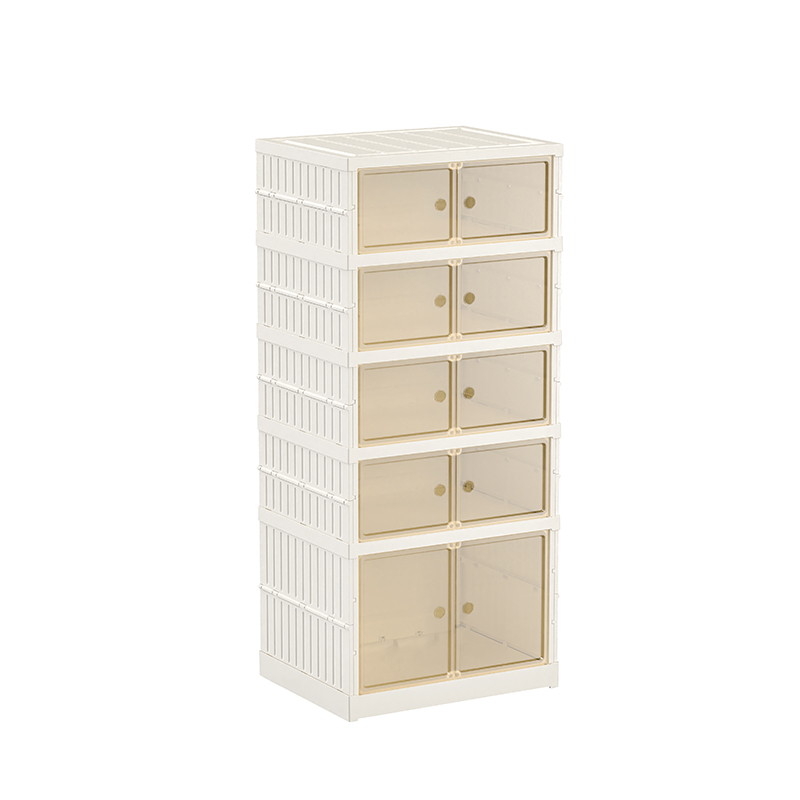
Multi-Purpose 6-Tier Foldable Storage Cabinet

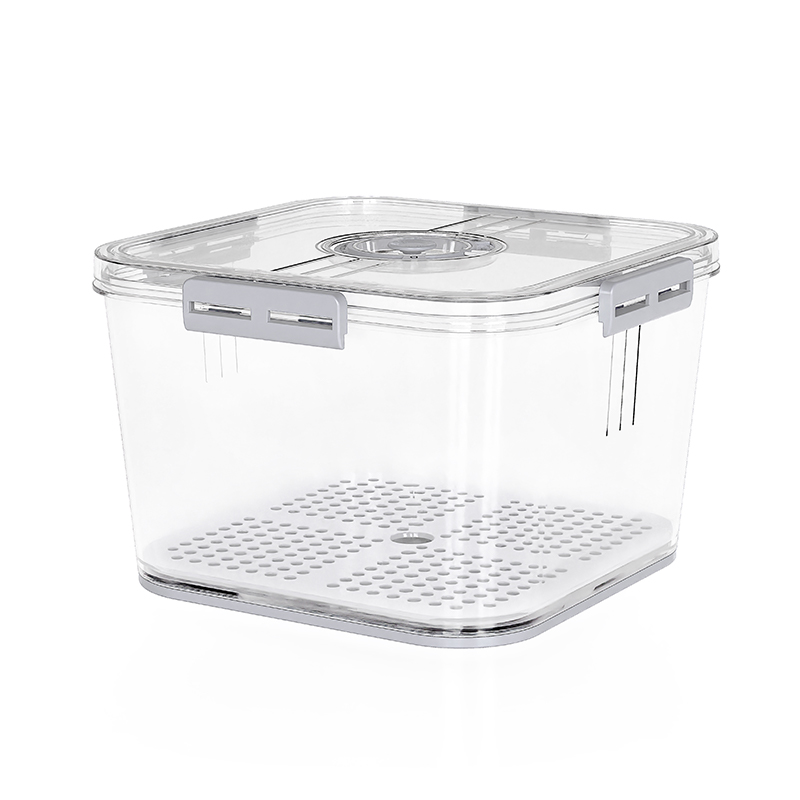
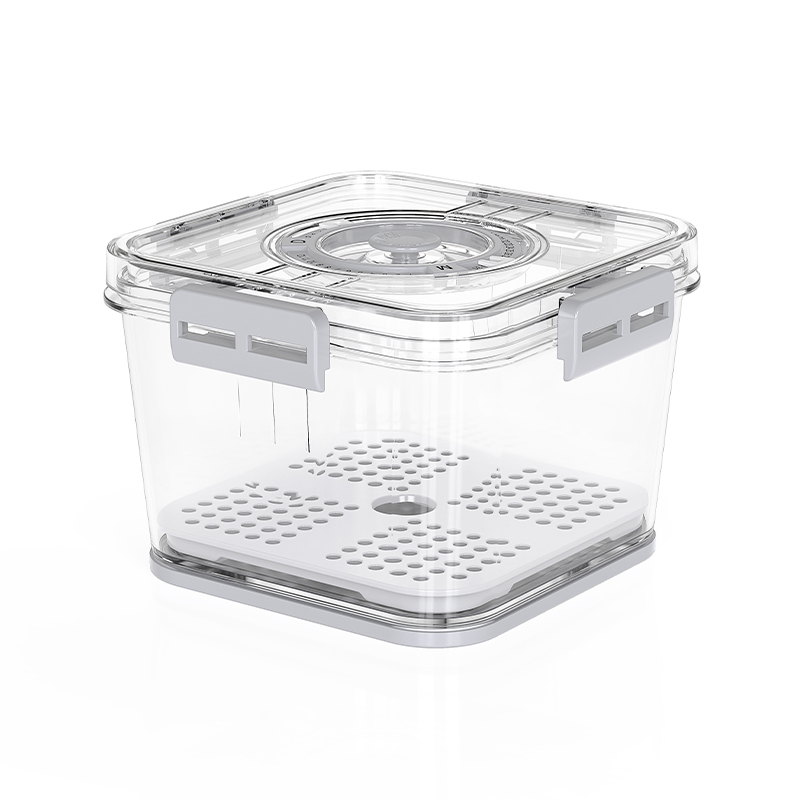
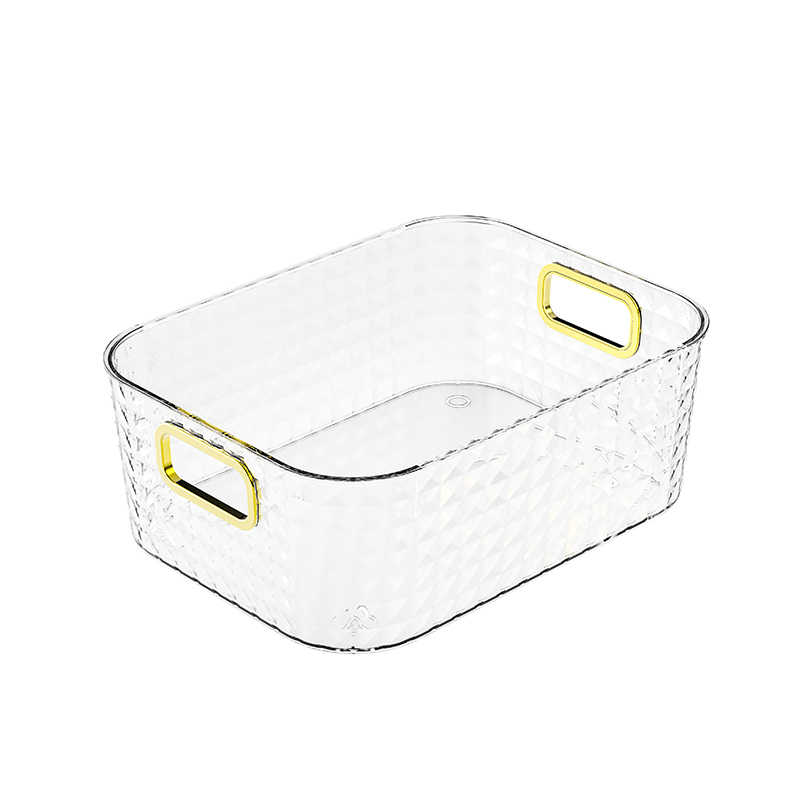
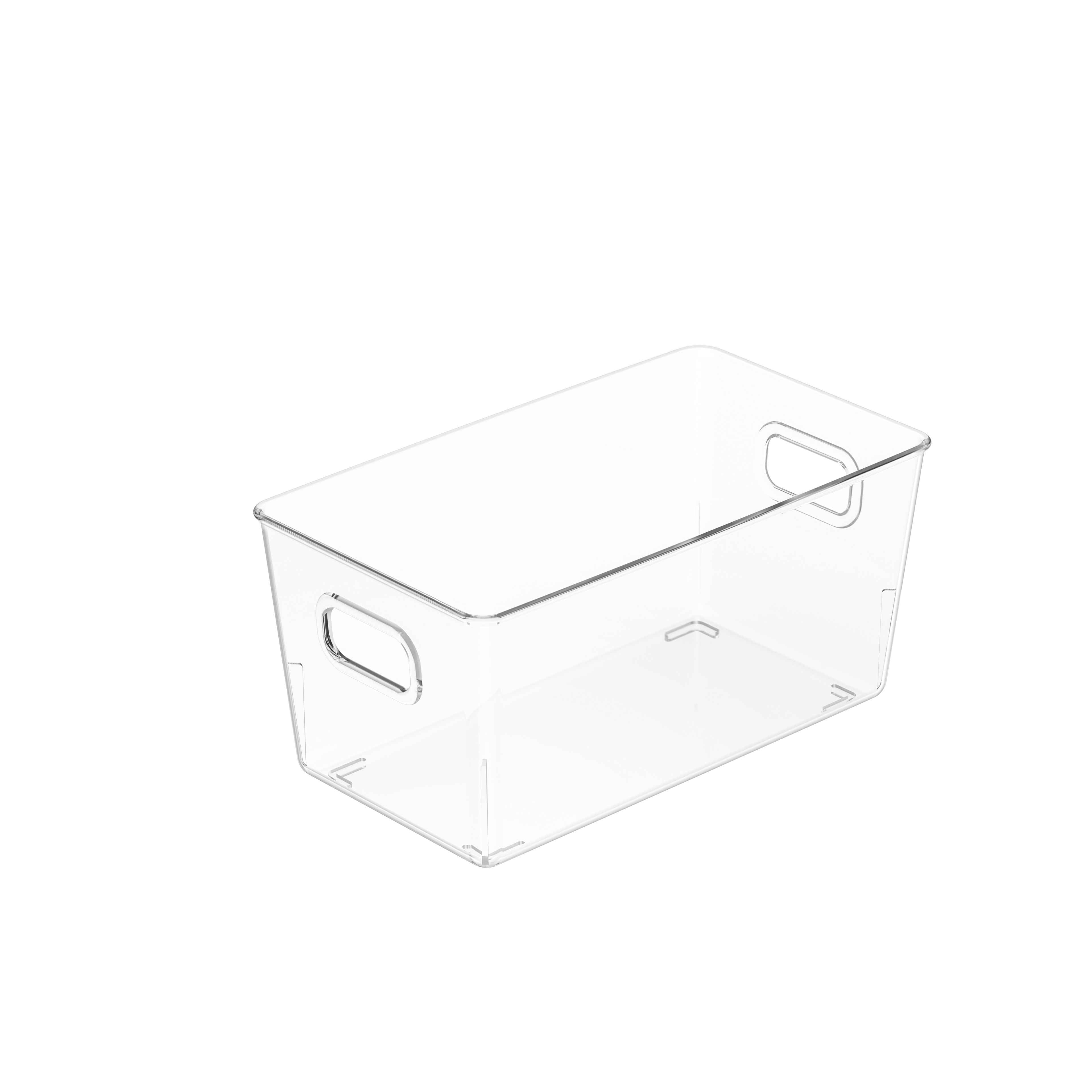
Kitchen Plastic Storage is one of the most practical and cost-effective ways to organize food, utensils, and cooking essentials while maintaining hygiene and maximizing space. The key advantage lies in its lightweight design, durability, and versatility, allowing households and commercial kitchens to store a wide variety of items efficiently.
In modern kitchens where space optimization and cleanliness are essential, plastic storage containers offer a flexible solution that adapts to different storage needs, from dry food preservation to refrigerator organization.
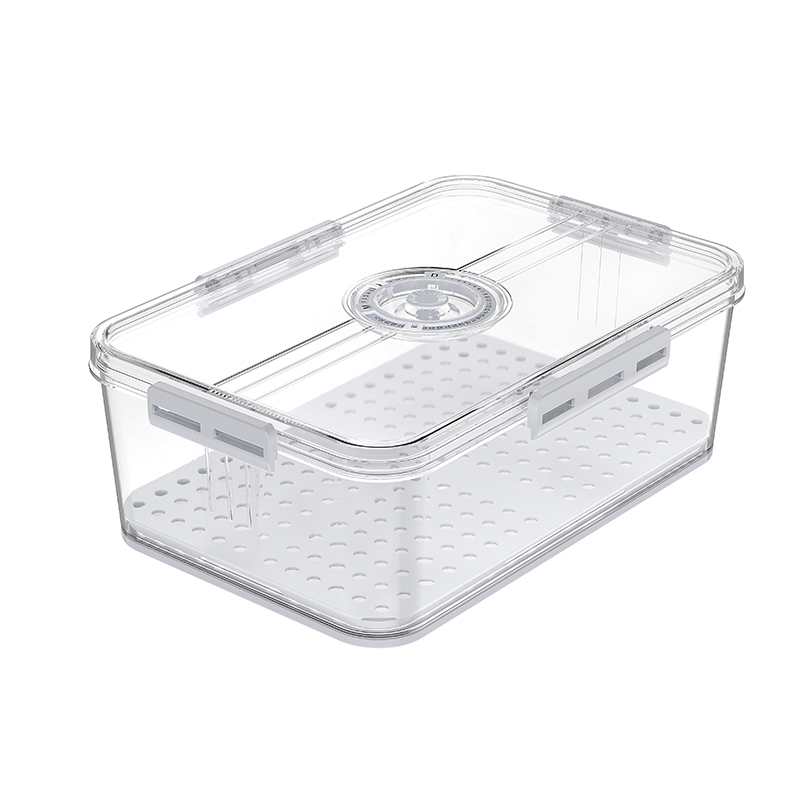
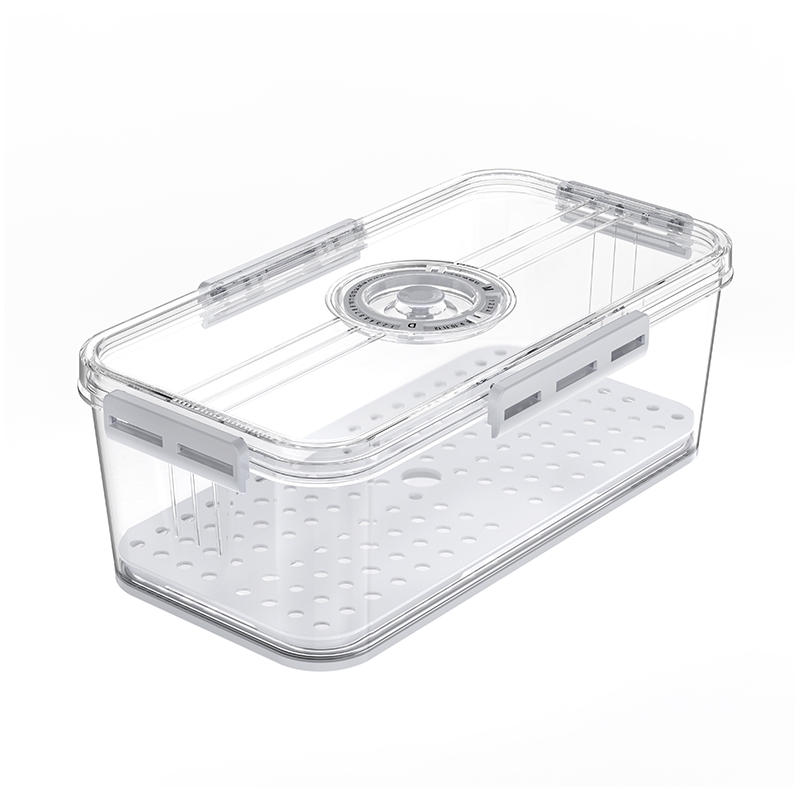
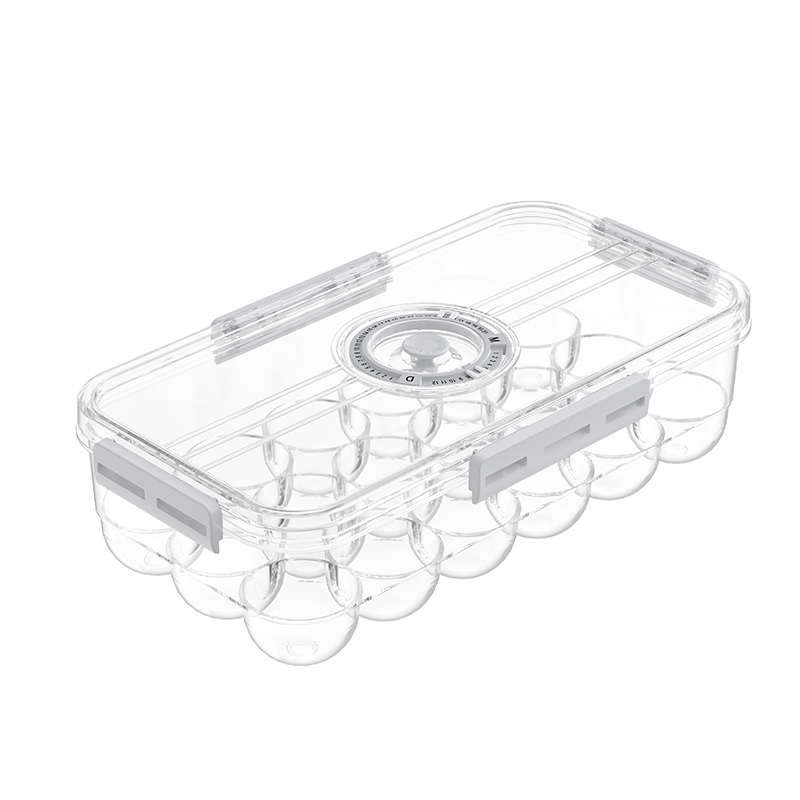
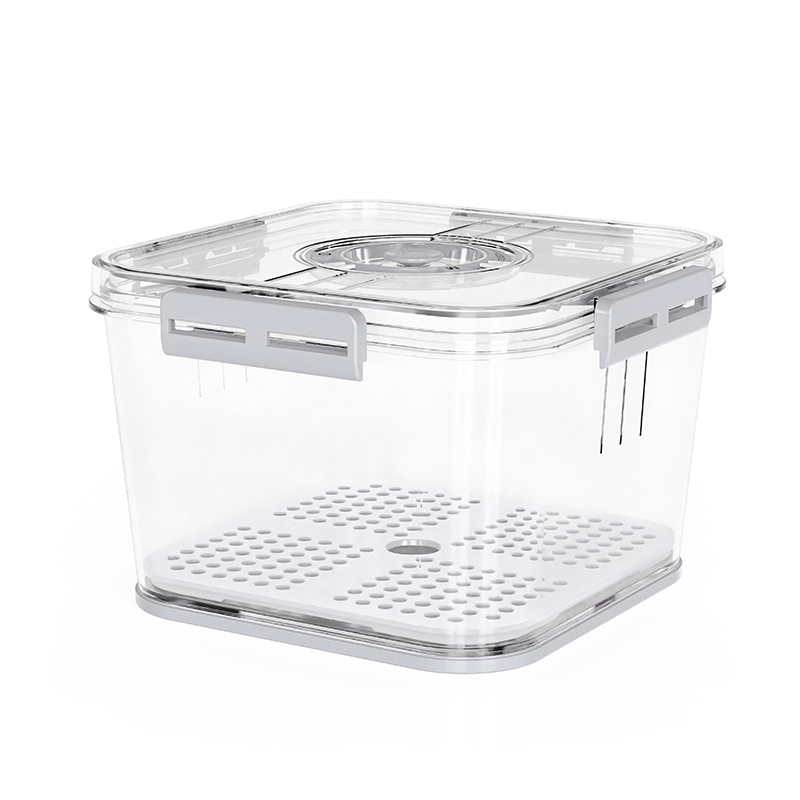
Kitchen plastic storage solutions come in various designs, each tailored for specific functions and storage environments.
These containers are designed to keep air and moisture out, preserving food freshness for longer periods. Studies show that airtight storage can extend the shelf life of dry foods by 30%–50%.
Stackable designs maximize vertical space, making them ideal for cabinets and pantry organization. They help reduce clutter and improve accessibility.
These are used to separate utensils, spices, or small kitchen tools, ensuring quick access and preventing disorganization.
The safety and performance of kitchen plastic storage depend largely on the material used. Food-grade plastics ensure that stored items remain safe for consumption.
| Material | Safety Level | Temperature Resistance | Typical Use |
|---|---|---|---|
| PP (Polypropylene) | Food-safe | Up to 120°C | Microwave containers |
| PET | Food-safe | Low heat tolerance | Cold storage containers |
| ABS | Moderate | Up to 80°C | Storage bins |
Choosing BPA-free materials is essential, especially for containers used to store food or beverages for extended periods.
Proper use of kitchen plastic storage can significantly improve space utilization, especially in small kitchens.
Research in kitchen ergonomics suggests that optimized storage layouts can improve cooking efficiency by 20%–30%.
Kitchen plastic storage plays a crucial role in maintaining food hygiene and preventing contamination. Proper storage reduces exposure to air, moisture, and pests.
Compared to glass or metal alternatives, kitchen plastic storage solutions offer a more affordable option while still delivering reliable performance.
A well-maintained plastic storage system can last for several years, reducing the need for frequent replacements. Additionally, improved food preservation helps minimize waste, leading to further cost savings.
Modern kitchen plastic storage products are evolving with innovative designs that enhance usability and convenience.
These innovations reflect the growing demand for efficient, user-friendly kitchen solutions in both residential and commercial environments.


Zhangqi Industrial Park, Cixi City, Ningbo City, Zhejiang Province

