
 Search for...
 English
 Español
 日本語
日本語
 한국어
한국어
 عربى
عربى
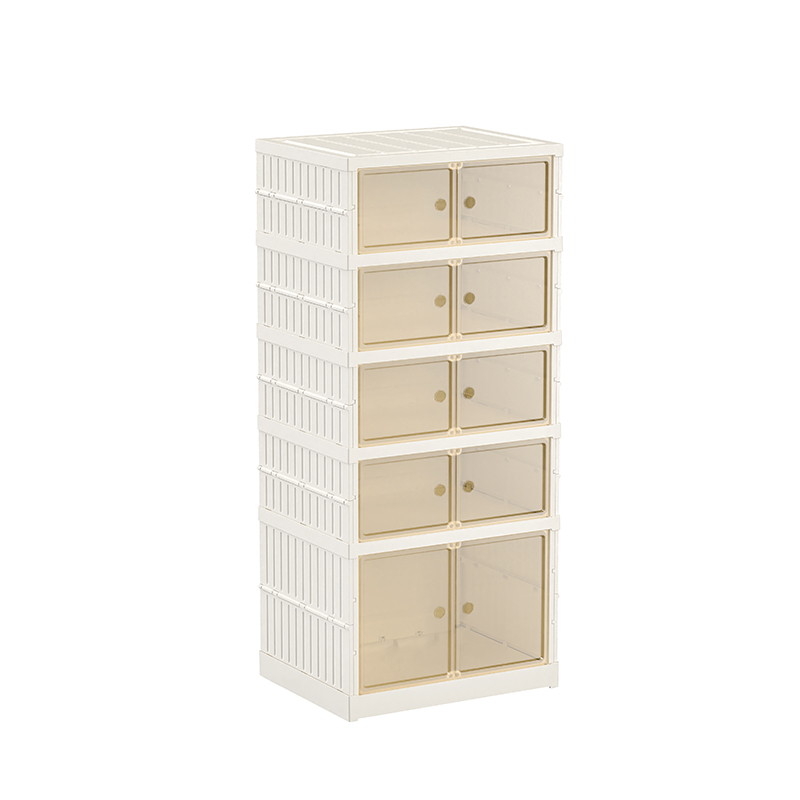
Multi-Purpose 6-Tier Foldable Storage Cabinet

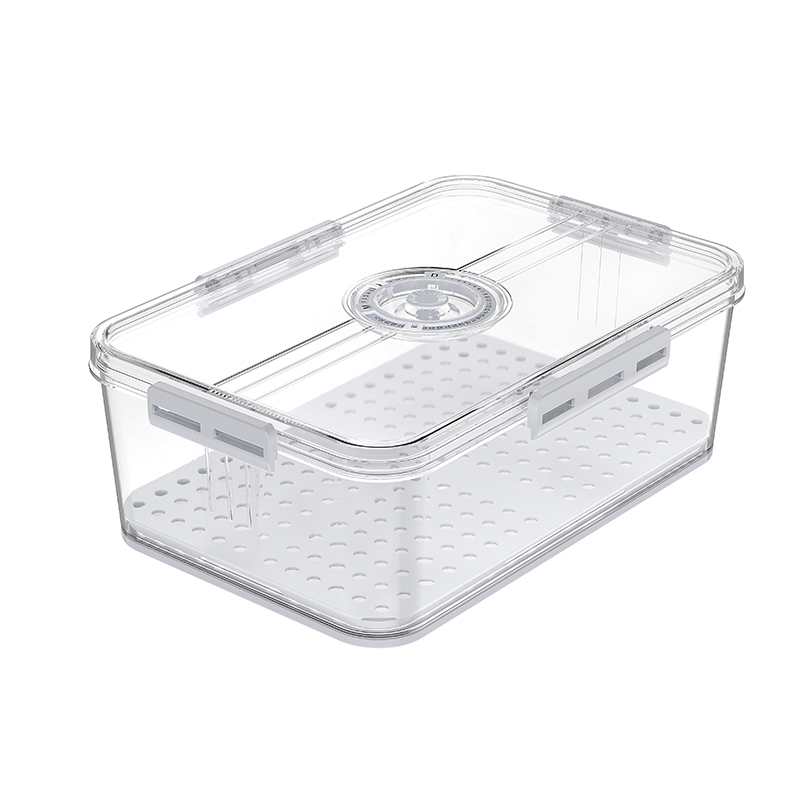
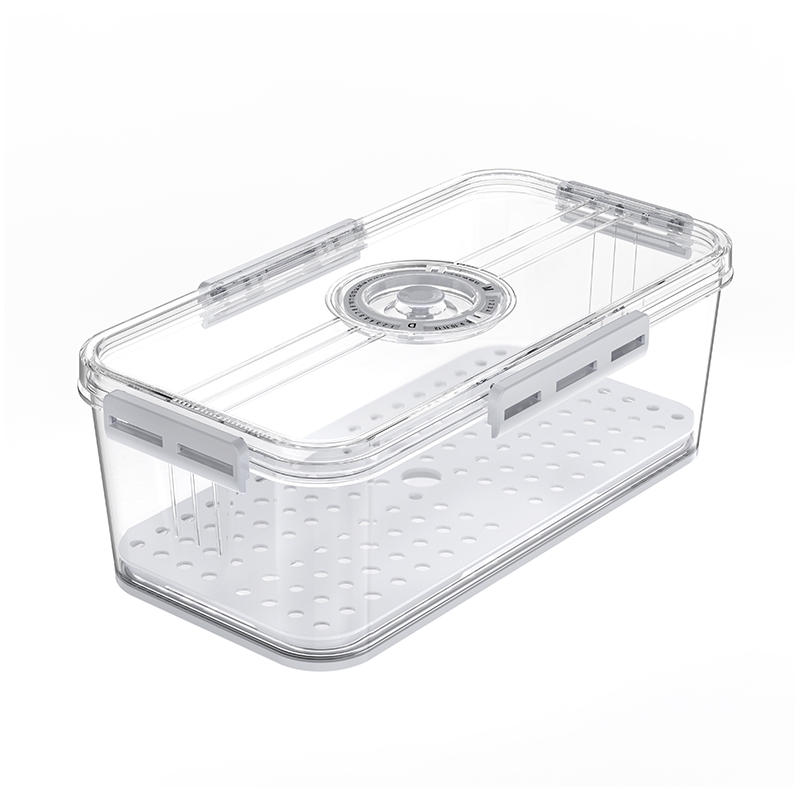
Stackable storage boxes are a practical solution for maximizing space in kitchens, pantries, and household storage areas. By allowing containers to be securely stacked, they reduce clutter, improve accessibility, and make organization more efficient.
These storage solutions are designed with durability and versatility in mind, often made from high-quality, BPA-free plastic that resists wear and moisture. Their modular design allows users to create custom storage arrangements according to available space and needs.
High-quality stackable storage boxes are typically made from polypropylene or other durable plastics, ensuring resistance to cracking and deformation. These materials are lightweight, making it easy to handle and reorganize even when boxes are full.
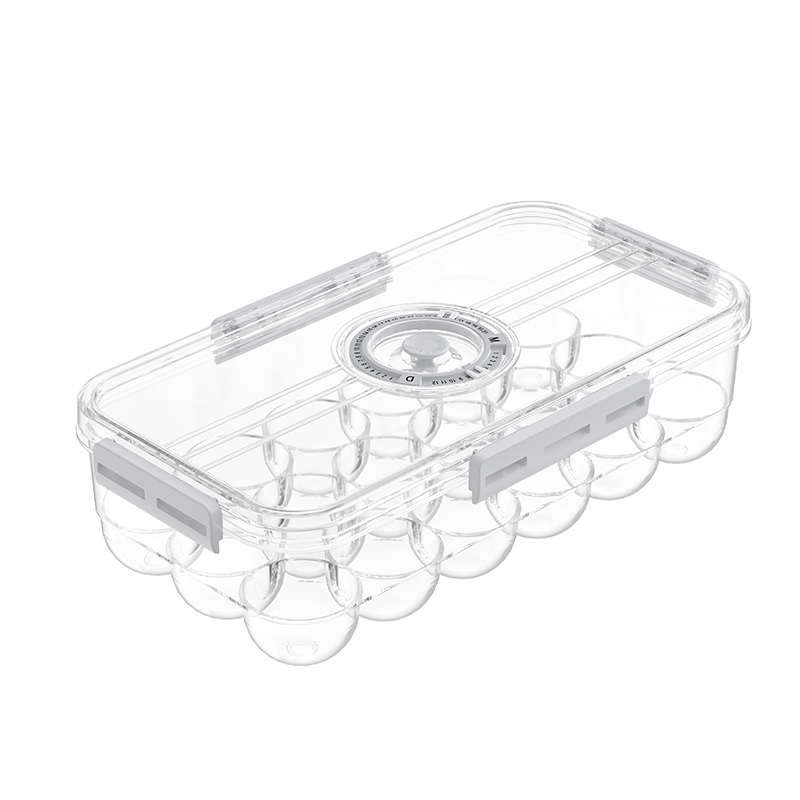
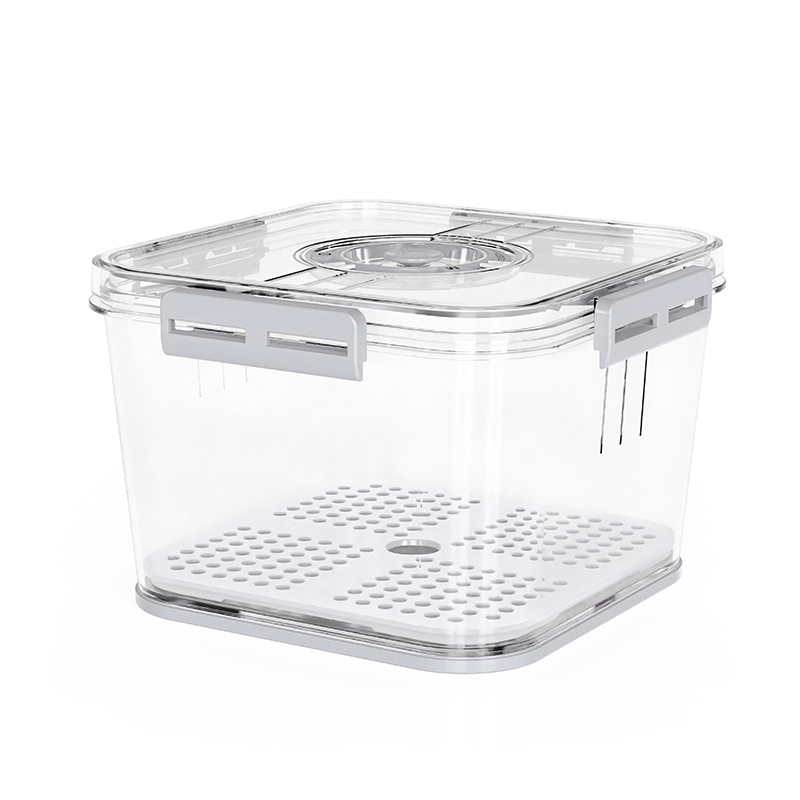
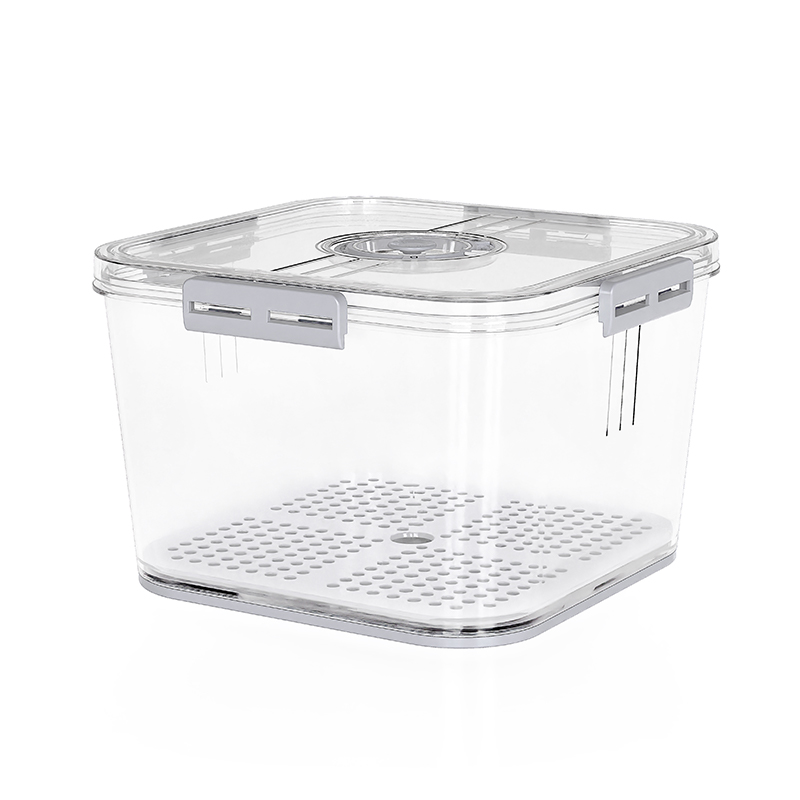
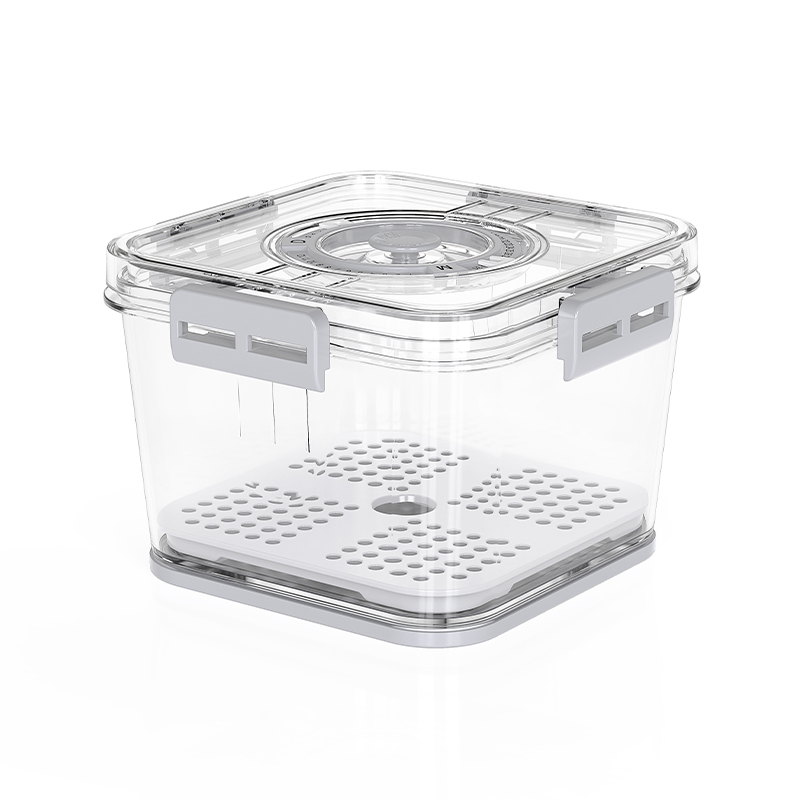
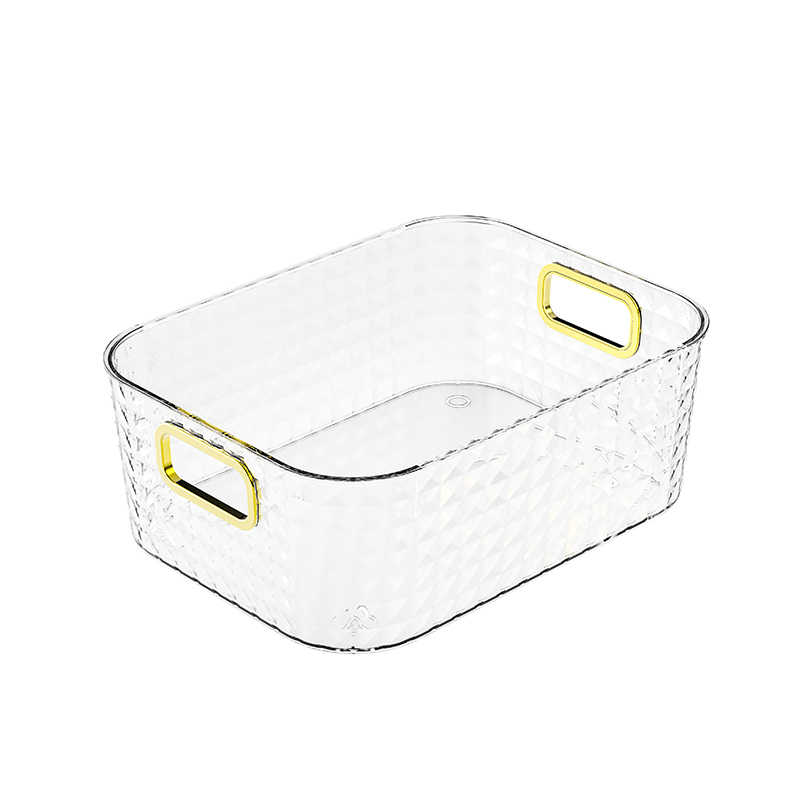
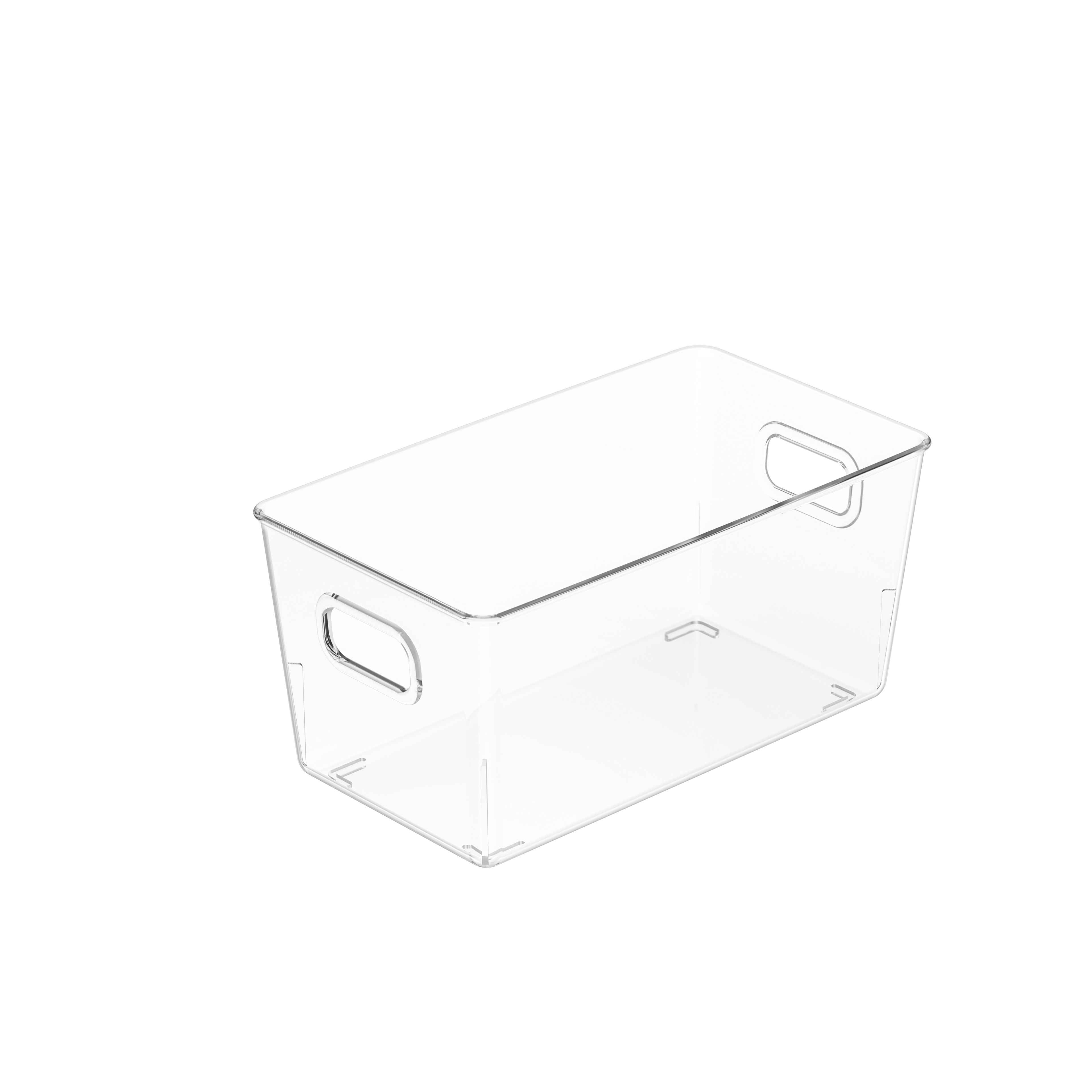
Transparent plastics are common in kitchen applications, allowing users to quickly identify contents without opening each container. Some designs incorporate reinforced edges and interlocking lids for added stability and safety.
Most stackable storage boxes feature an interlocking lid system, ensuring that stacked boxes do not slip or topple. This is particularly useful in kitchens with limited counter or cabinet space.
Some boxes include airtight lids or silicone seals, which protect contents from moisture and pests. This is ideal for dry goods like rice, pasta, and cereals, helping maintain freshness over time.
Stackable boxes are available in multiple sizes, from small containers for spices and snacks to large boxes for bulk ingredients. Mixing different sizes allows efficient use of space and flexible organization.
Stackable storage boxes are widely used for storing dry foods, baking supplies, and kitchen utensils. They reduce clutter on countertops and shelves, providing an organized and efficient kitchen environment.
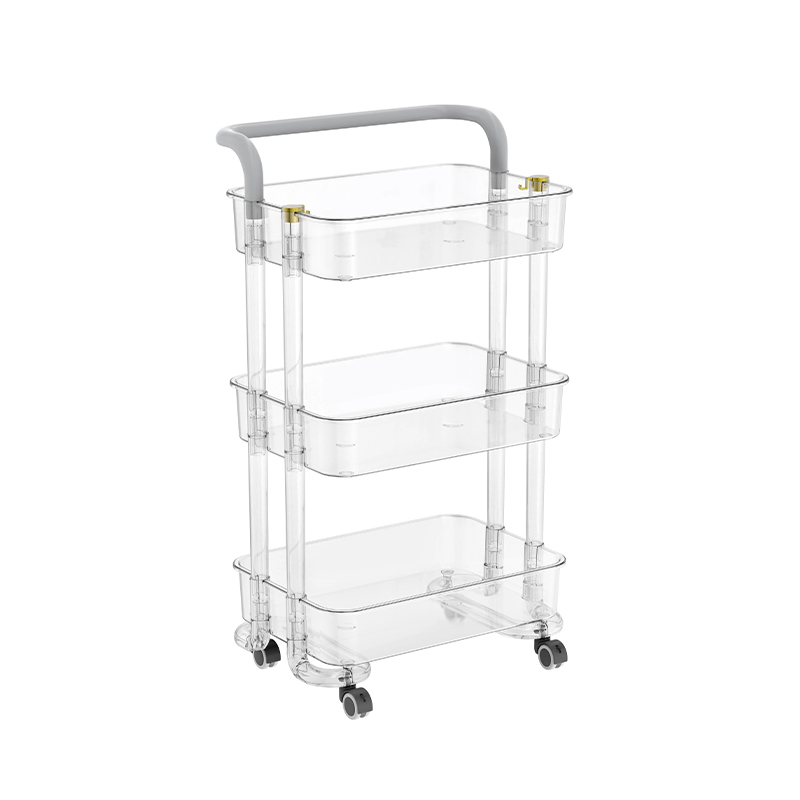
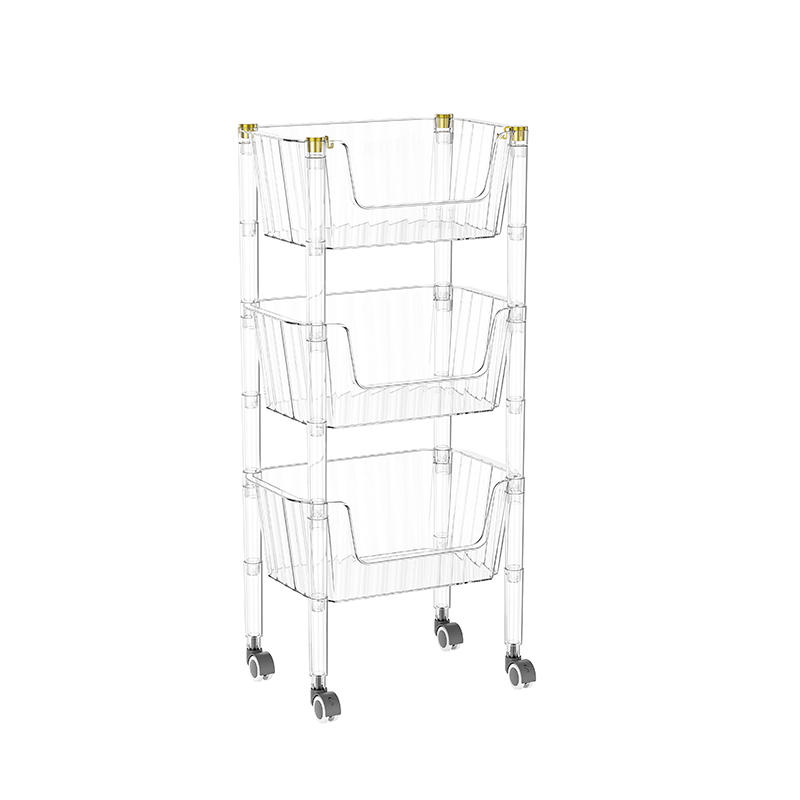
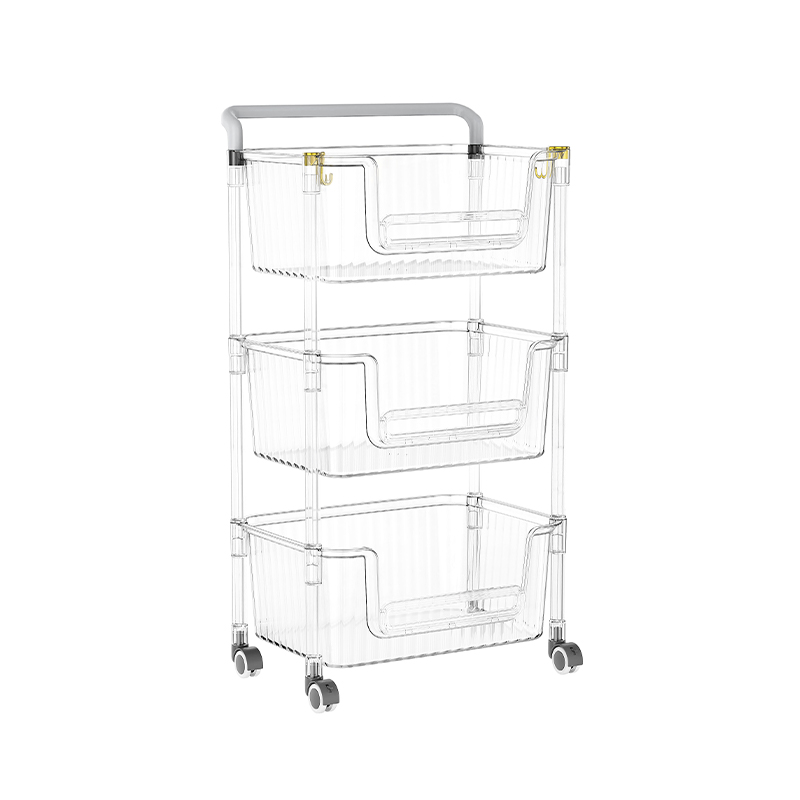
For example, in commercial kitchens or catering setups, stackable boxes allow easy transportation and storage of ingredients. Multiple boxes can be stacked on carts or in pantry racks, saving floor space and improving workflow.
| Usage Scenario | Recommended Box Type | Key Feature |
|---|---|---|
| Pantry Dry Goods | Large Stackable Box with Seal | Airtight, protects against moisture |
| Countertop Organization | Medium Transparent Box | Easy visibility, convenient access |
| Spices & Small Ingredients | Small Modular Boxes | Compact, stackable, easy to label |
Stackable plastic storage boxes are easy to clean. Most are dishwasher safe and resistant to stains or odors. Regular cleaning prevents bacterial growth and keeps kitchen items hygienic.
When cleaning, it is important to check lid seals and hinges to maintain proper function and avoid warping. For long-term use, store empty boxes in a dry area to prevent deformation and preserve structural integrity.
Modern stackable storage boxes often include features such as built-in labels, modular interlocking systems, and ergonomic handles. These innovations improve usability, identification, and transport convenience.
Some designs integrate temperature-resistant plastic, making them suitable for freezer or microwave use, expanding versatility in food storage and preparation.
Selecting the correct size, material, and lid type is crucial for optimal organization and long-term performance. Evaluate the intended use, frequency of access, and environmental conditions to make the best choice.
For heavy or frequently moved items, reinforced bases and handles enhance durability and ease of handling. Transparent boxes are ideal for quick inventory checks, while colored or opaque boxes can be used to categorize contents visually.
By carefully planning stackable storage solutions, kitchens and households can achieve maximum efficiency, space utilization, and ease of access to stored items, all while maintaining a neat and organized environment.


Zhangqi Industrial Park, Cixi City, Ningbo City, Zhejiang Province

