
 Search for...
 English
 Español
 日本語
日本語
 한국어
한국어
 عربى
عربى
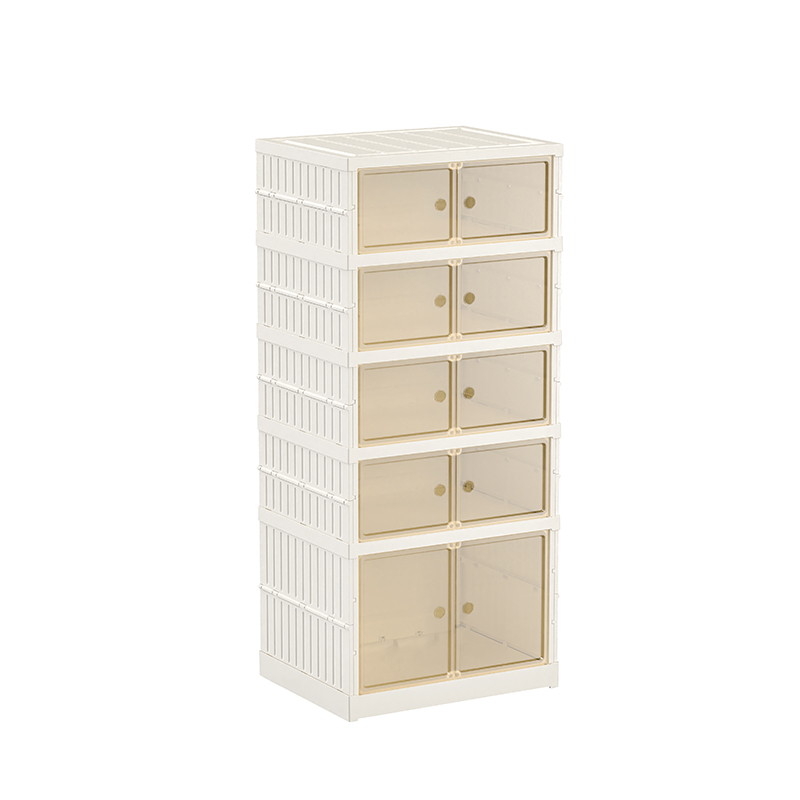
Multi-Purpose 6-Tier Foldable Storage Cabinet

Plastic storage containers are commonly used in kitchens for organizing and storing food. These containers come in various shapes, sizes, and designs, offering convenience for meal prepping, leftovers, and ingredient storage. One of the main factors influencing their popularity is their ease of use and affordability. However, a common concern among consumers is how well these containers can be cleaned and how resistant they are to grease, odors, and stains from food items.
Understanding the material properties of kitchen plastic storage containers and how they interact with grease, food residues, and odors can help users make informed decisions about cleaning and maintenance. This article will explore the ease of cleaning plastic containers and their resistance to grease and odors.
The first factor to consider when evaluating the cleaning ability of plastic storage containers is the type of plastic used. Most kitchen storage containers are made from either polypropylene (PP), polyethylene (PE), or polycarbonate (PC) plastics, each with different properties in terms of cleaning and durability. Containers made from these materials are lightweight, durable, and can withstand repeated use, but their cleaning properties can vary.
Polypropylene, for example, is widely used due to its resistance to chemicals and high temperatures. It is also relatively easy to clean and does not absorb odors or stains as readily as other materials. Polyethylene is often used for lower-cost containers, offering similar benefits but with slightly lower temperature resistance. Polycarbonate is a stronger plastic used for high-durability containers, although it may be more prone to scratching and staining over time.
One of the most appealing features of plastic storage containers is their ease of cleaning. Most plastic containers can be cleaned by hand with warm water and dish soap. The smooth surface of the plastic helps prevent food from sticking, which makes the cleaning process simpler. Additionally, many plastic containers are dishwasher-safe, allowing for effortless cleaning and sanitizing. However, it is important to follow the manufacturer's instructions for care, as excessive heat in dishwashers may cause warping or discoloration.
For stubborn food residues or grease, it may be necessary to use a sponge or soft brush to scrub the inside of the container. The use of baking soda or a mixture of vinegar and water can help eliminate tough stains and odors. Regular cleaning prevents the buildup of grease and residue, which can make the containers harder to clean over time.
Plastic storage containers are designed to be resistant to grease, but their effectiveness depends on the material and finish. Polypropylene and polyethylene containers are relatively resistant to oil and grease, which makes them suitable for storing greasy foods like sauces, soups, or meats. These containers are designed to be non-porous, meaning that they do not easily absorb food oils, which can lead to sticky residues that are difficult to remove.
However, over time, frequent use with greasy foods may cause a slight buildup of residue on the surface. In such cases, it is important to clean the containers thoroughly after each use. As with any storage container, it is advisable to avoid storing extremely greasy or oily food for extended periods, as even plastic containers can eventually show signs of degradation or staining from excess oil.
The finish on a container also affects its ability to resist grease. Some high-quality plastic containers feature smooth, glossy finishes that make it easier to wipe off grease, while others may have a matte or textured surface that may trap more residues. Regular cleaning and prompt washing after use will ensure that grease does not accumulate over time.
One of the most common complaints about plastic storage containers is that they can absorb odors from certain foods, particularly strong-smelling items like garlic, onions, or curry. This can be problematic if the container is used for storing multiple types of food, as odors can transfer between different items. However, certain plastics are more resistant to odor absorption than others.
Polypropylene and polyethylene containers typically have a lower tendency to absorb odors compared to polycarbonate containers. Additionally, containers with a tight-sealing lid help reduce the chances of odors seeping into the container and lingering. Containers designed with odor-resistant features are also available, often incorporating materials or coatings that prevent the absorption of food odors.
If plastic containers do begin to absorb odors, there are several methods to neutralize them. Soaking the container in a solution of baking soda and water can help eliminate persistent odors. Another method is using a mixture of vinegar and water, which can break down odor-causing particles. These treatments can help refresh the containers and maintain a neutral smell.
Stains are another common issue when it comes to plastic storage containers, especially when storing brightly colored or acidic foods like tomatoes, sauces, or curry. Over time, these stains can become difficult to remove and may affect the appearance of the container. However, many plastic containers are designed with a stain-resistant coating to minimize this issue.
To prevent stains, it is important to avoid leaving food in plastic containers for extended periods. If a container is used for storing colorful or staining foods, it should be cleaned promptly after use. For stubborn stains, a paste made from baking soda and water can be applied to the stained area and left for a few minutes before washing. If staining persists, vinegar or lemon juice can be used as a natural cleaning agent to help lift the stains.
The durability of plastic storage containers depends on the quality of the material and the frequency of use. High-quality containers made from polypropylene or polyethylene are generally durable and can withstand repeated washing without becoming brittle or discolored. However, over time, plastic containers may show signs of wear, such as scratching or fading, especially when exposed to high temperatures or harsh cleaning methods.
To prolong the lifespan of plastic storage containers, it is important to avoid using abrasive cleaning tools that can scratch the surface. It is also advisable to store the containers in a cool, dry place to prevent exposure to excessive heat or sunlight, which can weaken the plastic and cause it to become brittle.
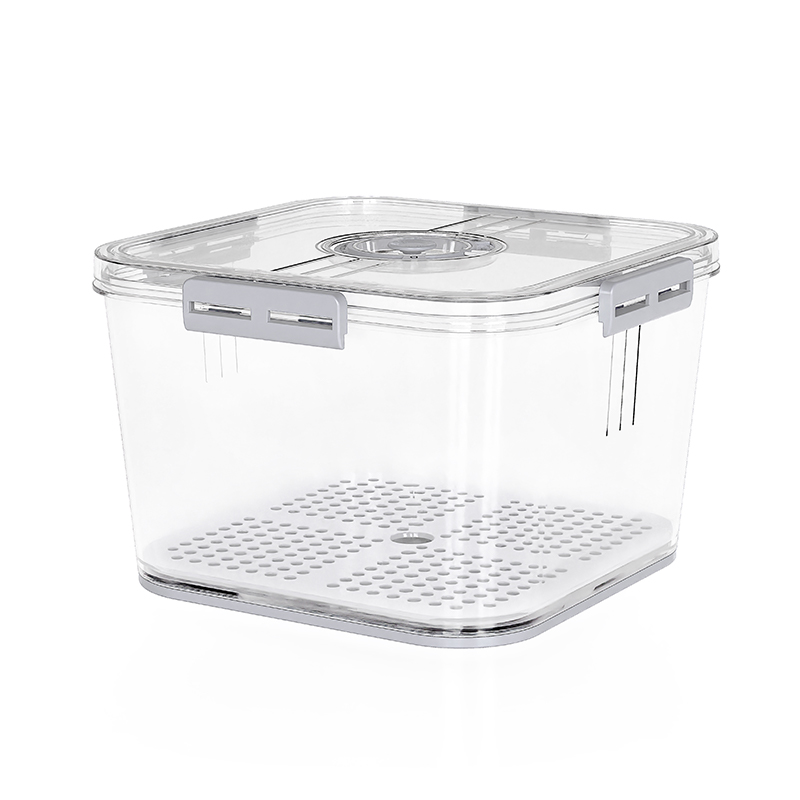
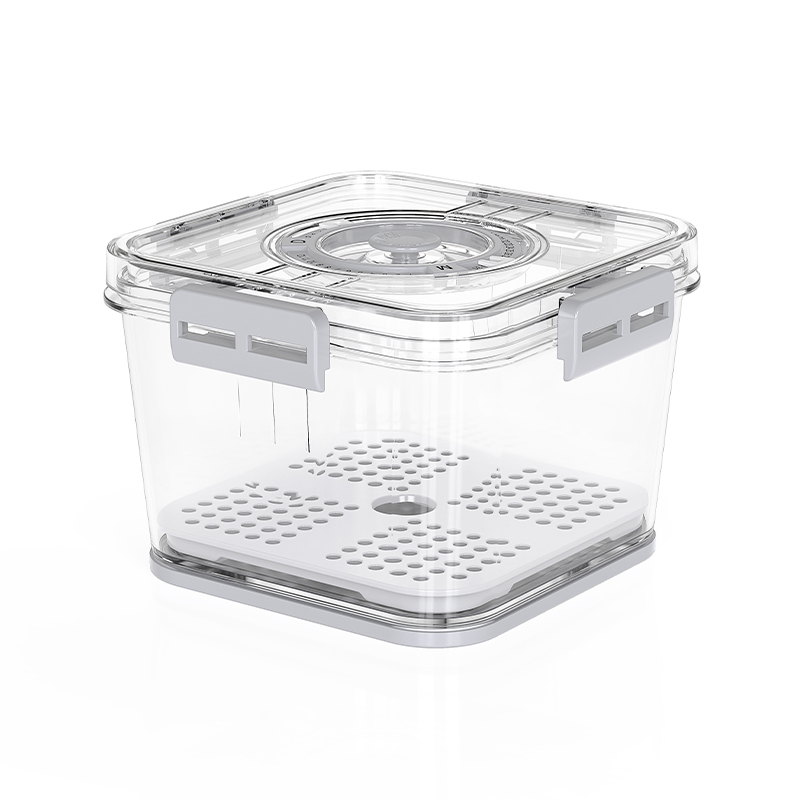
Plastic storage containers are most effective when organized properly. Since many kitchen storage containers come in different shapes and sizes, it is important to arrange them in a way that minimizes clutter and ensures easy access. Nesting containers (where smaller containers fit inside larger ones) can help save space and keep cabinets tidy. Additionally, labeling containers with dates can help keep track of food storage and avoid confusion over the contents.
Stackable plastic containers are an excellent choice for efficient storage, allowing users to store multiple items in a compact area. It is also important to ensure that the containers are thoroughly dried before stacking them to avoid the growth of mold or mildew inside the containers.
To better understand the cleaning and maintenance features of kitchen plastic storage containers, it is useful to compare different materials commonly used in manufacturing these containers:
| Material | Resistance to Grease | Resistance to Odors | Ease of Cleaning |
| Polypropylene (PP) | High | Moderate | Easy, dishwasher safe |
| Polyethylene (PE) | Moderate | Moderate | Easy, dishwasher safe |
| Polycarbonate (PC) | Moderate | High | More difficult, may absorb odors over time |
Kitchen plastic storage containers are generally easy to clean and maintain, with their resistance to grease and odors varying depending on the material. Polypropylene and polyethylene containers are highly resistant to grease and relatively easy to clean, making them ideal for everyday use. While plastic containers may absorb odors or stain with prolonged use, regular cleaning and proper maintenance can help prevent these issues. With proper care, plastic storage containers can provide long-lasting and effective solutions for food storage in the kitchen.


Zhangqi Industrial Park, Cixi City, Ningbo City, Zhejiang Province

