
 Search for...
 English
 Español
 日本語
日本語
 한국어
한국어
 عربى
عربى
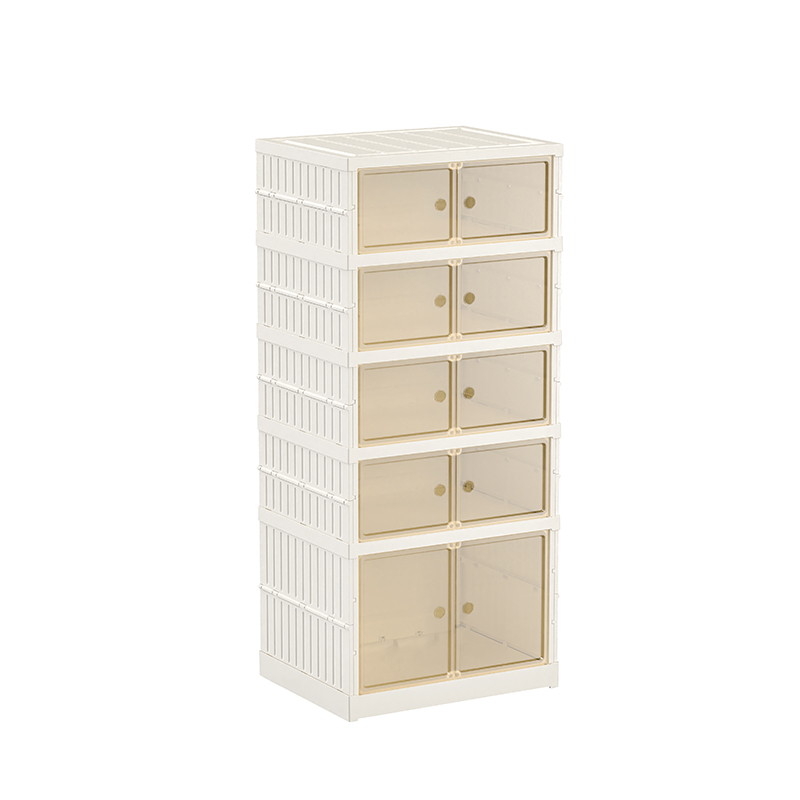
Multi-Purpose 6-Tier Foldable Storage Cabinet

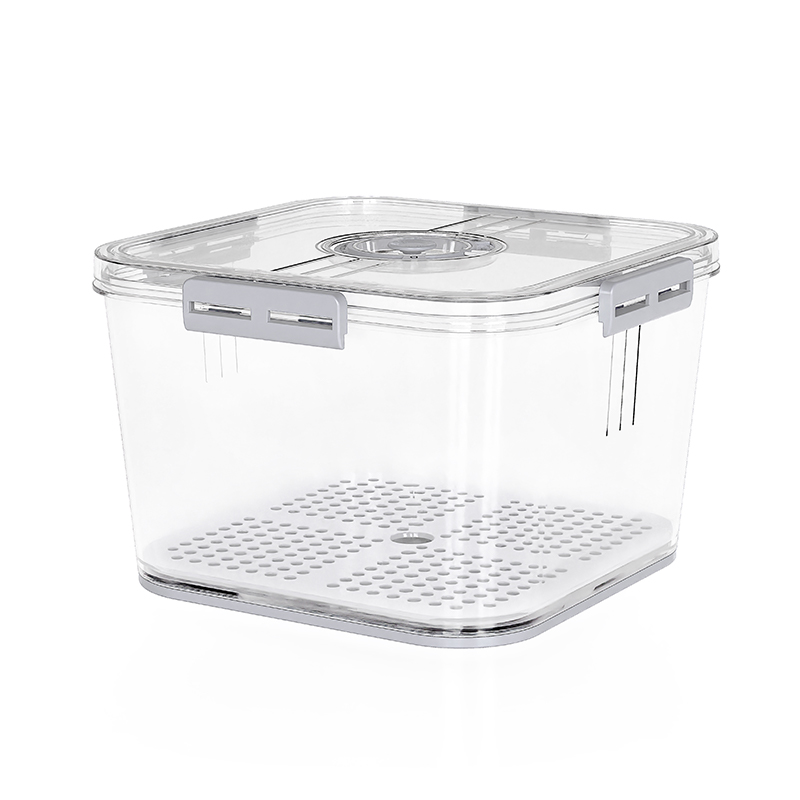
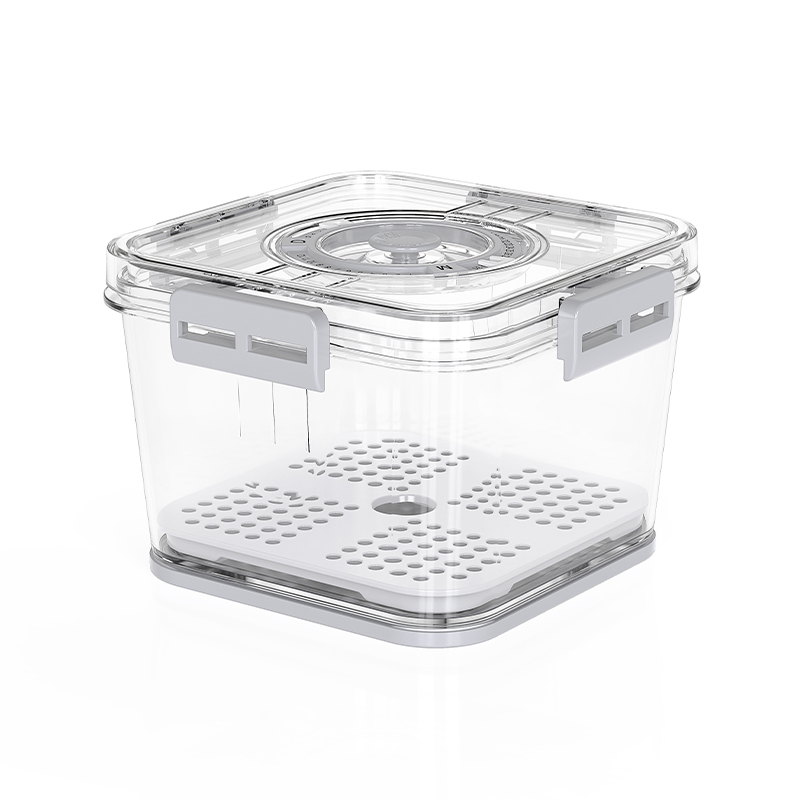
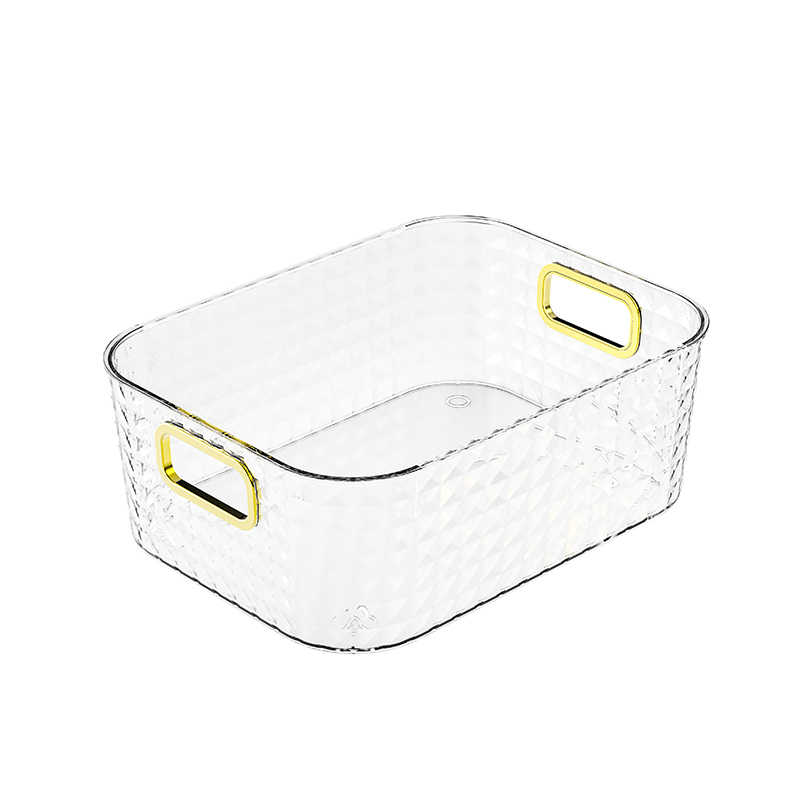
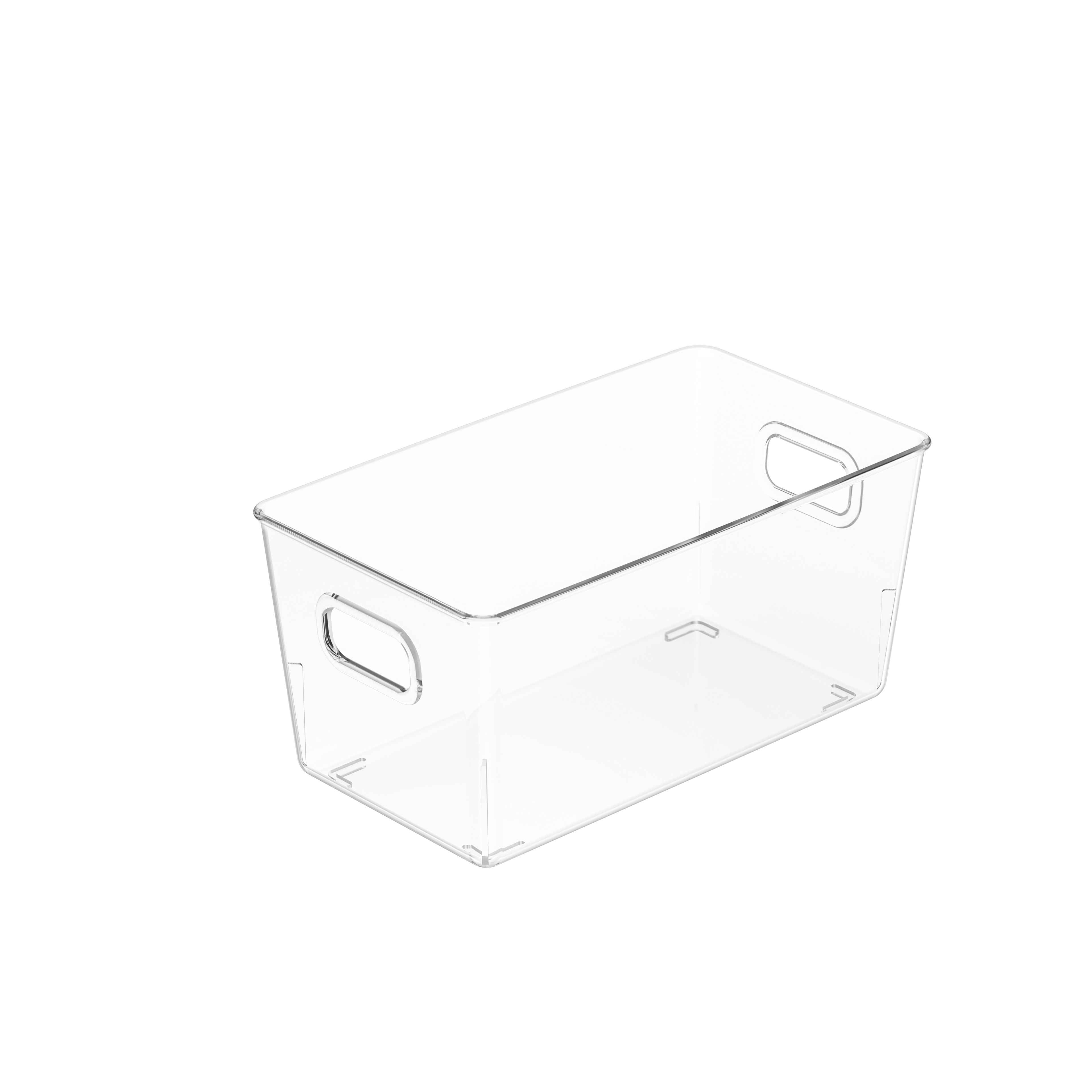
Beauty plastic storage containers are widely used to organize and protect cosmetics, skincare products, and personal care items. One of the most common concerns among users is whether these containers emit any odor that could influence the scent, stability, or overall quality of cosmetics stored inside. Odor issues are not only related to user experience but also connected to material selection, manufacturing processes, and long-term usage conditions. Understanding how and why odors may appear helps clarify whether they pose a real risk to cosmetic products.
The majority of beauty plastic storage containers are made from materials such as polypropylene, polyethylene, polyethylene terephthalate, and acrylonitrile butadiene styrene. Each of these plastics has different chemical characteristics that influence odor behavior. Polypropylene and polyethylene are often chosen because they are relatively stable and tend to have low inherent odor when properly processed. PET is commonly used for transparent containers and is known for its limited interaction with cosmetic formulations. ABS may be used for more rigid or decorative components, though its odor profile depends heavily on resin quality and additives.
Any odor noticed in a newly purchased beauty plastic storage container usually originates from residual processing agents rather than the plastic itself. During molding, manufacturers may use release agents, stabilizers, or colorants that can leave trace smells. These odors are typically noticeable only when the container is new and unopened. With adequate ventilation and time, such smells often dissipate naturally without leaving lasting effects on cosmetics.
Injection molding and blow molding are the most common production methods for beauty plastic storage containers. Temperature control, cooling time, and mold cleanliness play a role in whether residual odors remain. When processing parameters are not well controlled, incomplete volatilization of additives may occur, leading to a faint smell. Manufacturers that maintain consistent processing conditions and post-production airing procedures tend to produce containers with minimal odor presence.
The presence of a slight plastic odor does not automatically mean that cosmetics stored inside will be affected. Most cosmetic products are sealed in their own primary packaging, such as bottles or jars, before being placed into storage containers. This additional layer limits direct contact and reduces the possibility of odor transfer. Even for unsealed items like makeup sponges or brushes, odor migration from quality plastic containers is usually limited.
Beauty plastic storage containers are generally designed to be chemically inert under normal indoor conditions. This means they do not easily release volatile substances that could interact with cosmetic ingredients. Stable polymers resist degradation and do not continuously emit odors over time. When deterioration does occur, it is often associated with exposure to excessive heat, ultraviolet light, or harsh cleaning chemicals rather than normal cosmetic storage.
The environment in which a beauty plastic storage container is kept can influence odor perception. High temperatures may accelerate the release of residual volatiles, while enclosed spaces with limited air circulation can make faint smells more noticeable. In contrast, containers stored in well-ventilated, moderate-temperature environments are less likely to exhibit persistent odors. Humidity can also play a role by trapping smells inside closed compartments.
Over time, a beauty plastic storage container may absorb odors from the items placed inside rather than emitting its own smell. Fragranced cosmetics, essential oils, and skincare products with strong scents can transfer odor molecules to the plastic surface. This absorption is usually reversible to some extent and does not indicate material breakdown. Proper cleaning can help reduce accumulated smells.
Cleaning methods have a direct impact on whether odors persist in beauty plastic storage containers. Mild detergents and warm water are generally sufficient to remove surface residues. Using overly strong cleaners may leave chemical smells that are mistaken for plastic odor. Allowing containers to dry fully before reuse helps prevent moisture-related odor buildup.
| Plastic Material | Typical Odor Level | Odor Persistence | Suitability for Cosmetics |
| Polypropylene | Low | Short-term | Commonly used for beauty storage |
| Polyethylene | Low | Short-term | Suitable for brushes and tools |
| PET | Very low | Minimal | Often used for transparent containers |
| ABS | Moderate when new | Reduces over time | Used for rigid or decorative parts |
With prolonged use, plastic materials may undergo gradual aging, which can sometimes be associated with changes in surface texture or slight odor development. This process is usually slow and influenced by environmental stress rather than cosmetic interaction. Yellowing or embrittlement is more closely linked to ultraviolet exposure than to stored cosmetics.
Many beauty plastic storage containers are produced following consumer product safety standards that limit volatile organic compound emissions. While these containers are not always subject to the same regulations as food-contact plastics, manufacturers often apply similar material selection principles. Compliance with such standards helps ensure that odor levels remain within acceptable ranges for household use.
Odor perception varies significantly from person to person. Some users may notice faint plastic smells that others do not detect at all. Sensitivity to scent can influence how a container is judged, even when the odor does not pose a risk to cosmetics. Allowing new containers to air out before use can address most perception-related concerns.
Users who are concerned about odor affecting cosmetics can take simple steps such as washing new beauty plastic storage containers before first use and storing them in open air for a short period. Avoiding exposure to heat sources and keeping containers clean reduces the likelihood of odor buildup. These measures focus on maintenance rather than indicating a fundamental issue with the container material.
In practical terms, the risk of a beauty plastic storage container emitting an odor that alters cosmetics is generally low. Most cosmetic items have their own packaging barriers, and quality plastics do not continuously release strong smells. Odor concerns are more often related to user perception, environmental factors, or absorbed fragrances from stored products rather than inherent material problems.
When beauty plastic storage containers are used over extended periods, observations show that stable materials maintain their characteristics without developing intrusive odors. Changes, if any, tend to be gradual and manageable through cleaning or replacement. This behavior aligns with their intended role as secondary storage rather than direct cosmetic packaging.
From a material and usage perspective, beauty plastic storage containers are not typically a source of odors that could negatively influence cosmetics. Odors, when present, are usually temporary, mild, and manageable. Understanding material behavior, environmental factors, and proper care provides a realistic view of how these containers interact with cosmetics during everyday use.


Zhangqi Industrial Park, Cixi City, Ningbo City, Zhejiang Province

