
 Search for...
 English
 Español
 日本語
日本語
 한국어
한국어
 عربى
عربى
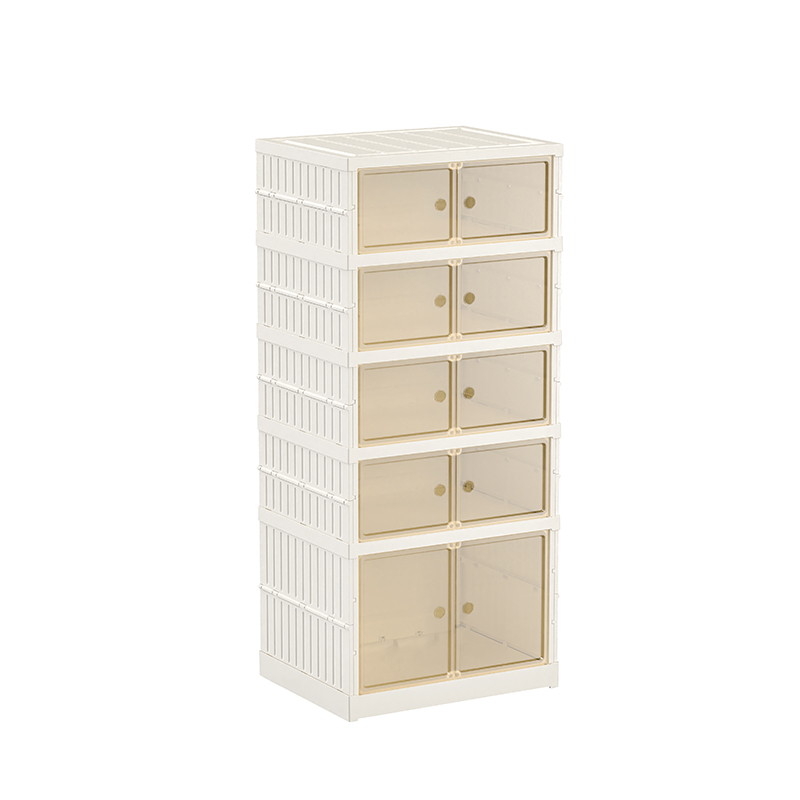
Multi-Purpose 6-Tier Foldable Storage Cabinet

Kitchen plastic storage containers are widely used for food preparation, storage, and transportation. Because they are in direct contact with food and used repeatedly over long periods, users often pay close attention to issues such as odor retention, discoloration, and material aging. Questions about whether these containers develop unpleasant smells or turn yellow over time are closely tied to daily usage habits, material properties, and cleaning methods.
Understanding these concerns requires looking beyond surface appearance and examining how plastics interact with food substances, heat, light, and detergents during long-term use.
Most kitchen plastic storage containers are made from materials such as polypropylene, polyethylene, or copolyester plastics. Each material has distinct characteristics in terms of transparency, flexibility, chemical resistance, and heat tolerance. These properties influence how the container behaves over time, including its tendency to absorb odors or change color.
Polypropylene is commonly used because it balances durability and cost while offering relatively good resistance to staining and odor absorption. However, no plastic material is entirely inert, and prolonged exposure to certain foods or environmental factors can still lead to noticeable changes.
Odor development in kitchen plastic storage containers usually does not come from the plastic itself when it is new. Instead, odors are more often the result of food residues that remain after use. Oils, spices, sauces, and strongly aromatic foods can penetrate microscopic pores or surface irregularities in plastic materials.
Over time, repeated exposure to such substances can lead to lingering smells, especially if containers are not thoroughly cleaned or dried. Warm storage conditions and closed environments further trap these odors, making them more noticeable when the container is reopened.
Certain foods are more likely to leave odors in plastic storage containers. Foods with high oil content, strong spices, or acidic components can interact more readily with plastic surfaces. Tomato-based dishes, curry, garlic, onions, and fermented foods are common examples.
When these foods are stored frequently, odor molecules may accumulate gradually. Even after washing, a faint smell may remain, particularly in containers that have been used for years.
Cleaning practices play a significant role in whether kitchen plastic storage containers retain odors. Hand washing with warm water and mild detergent removes surface residues, but it may not fully eliminate oils absorbed into the plastic over time. Dishwashers, while convenient, can sometimes worsen odor issues if heat causes residues to penetrate deeper into the material.
Allowing containers to dry completely after washing is also important. Moisture trapped inside a closed container can contribute to musty smells, which may be mistaken for plastic odor.
Yellowing is a common concern with long-term use of kitchen plastic storage containers, especially those that are transparent or light-colored. This discoloration is often the result of gradual chemical changes in the plastic material combined with external influences.
Exposure to heat, light, and food pigments can alter the appearance of plastic over time. Yellowing does not usually indicate immediate safety issues, but it does affect appearance and may signal material aging.
Heat is one of the main factors contributing to yellowing and deterioration. Microwave use, dishwasher cycles, and storage near heat sources can accelerate changes in plastic structure. Repeated heating may cause slight oxidation or polymer breakdown at the surface level.
Containers that are frequently microwaved, especially with oily or pigmented foods, tend to show discoloration sooner than those used only for cold storage.
Ultraviolet light from sunlight or strong indoor lighting can also contribute to yellowing. Over time, UV exposure may break down certain chemical bonds in plastic, leading to color changes and reduced surface clarity.
Containers stored near windows or used outdoors occasionally may show more noticeable yellowing compared to those kept in darker storage areas.
Some discoloration that appears as yellowing is actually staining from food pigments rather than material aging. Spices such as turmeric or sauces with natural colorants can leave persistent stains that are difficult to remove completely.
These stains may give the impression that the container itself has deteriorated, even though the underlying plastic structure remains intact.
With extended use, plastic materials can undergo gradual aging. This process may include reduced flexibility, surface roughness, or slight brittleness. Such changes occur slowly and are influenced by usage frequency, temperature exposure, and cleaning intensity.
Deterioration does not usually happen suddenly but becomes noticeable after years of regular use. At this stage, containers may be more prone to cracking or may no longer seal as effectively.
The table below provides a general comparison of common plastic materials used in kitchen storage containers and their typical long-term tendencies regarding odor and discoloration.
| Plastic Material | Odor Retention Tendency | Yellowing or Discoloration Risk |
| Polypropylene | Low to moderate with long-term use | Moderate under heat and light exposure |
| Polyethylene | Moderate due to softer structure | Moderate, often linked to staining |
| Copolyester plastics | Low under normal use | Lower risk, but sensitive to high heat |
Dishwashers expose containers to high temperatures, strong detergents, and extended washing cycles. While many kitchen plastic storage containers are labeled as dishwasher-safe, repeated cycles can still contribute to gradual surface wear.
This wear may increase the likelihood of odor absorption and discoloration by creating microscopic surface changes that trap residues more easily.
The presence of odor or yellowing does not automatically mean that a container is unsafe for use. Odors are usually related to absorbed food compounds rather than harmful substances released by the plastic itself.
However, noticeable deterioration such as cracking, warping, or persistent strong odors may indicate that the container has reached the end of its practical service life and should be replaced.
Manufacturers often include stabilizers and additives in plastic formulations to slow aging and discoloration. These additives help improve resistance to heat, light, and oxidation.
Over time, the effectiveness of these additives may diminish, particularly under frequent heat exposure, contributing to gradual visual and functional changes.
How kitchen plastic storage containers are used and stored significantly affects their long-term condition. Avoiding prolonged storage of oily or strongly colored foods, limiting microwave use when possible, and allowing containers to cool before washing can help reduce odor and discoloration.
Storing containers with lids off when not in use allows air circulation, which can help minimize trapped odors.
Yellowing and mild odor retention primarily affect appearance and user experience rather than basic functionality. Many containers continue to seal properly and hold food securely despite visual changes.
Users often choose to replace containers based on aesthetic preference rather than functional failure, especially when discoloration becomes noticeable.
In everyday kitchen environments, it is normal for plastic storage containers to show some signs of wear over time. Odor retention and yellowing tend to develop gradually rather than suddenly.
These changes reflect the interaction between material properties and daily use conditions rather than defects in the container itself.
Kitchen plastic storage containers offer convenience, lightweight handling, and versatility, but they also have inherent material limitations. Awareness of how odors and discoloration develop helps users make informed choices about usage, cleaning, and replacement.
By understanding these factors, users can better manage expectations regarding the long-term appearance and performance of plastic storage containers in everyday kitchen use.


Zhangqi Industrial Park, Cixi City, Ningbo City, Zhejiang Province

