
 Search for...
 English
 Español
 日本語
日本語
 한국어
한국어
 عربى
عربى
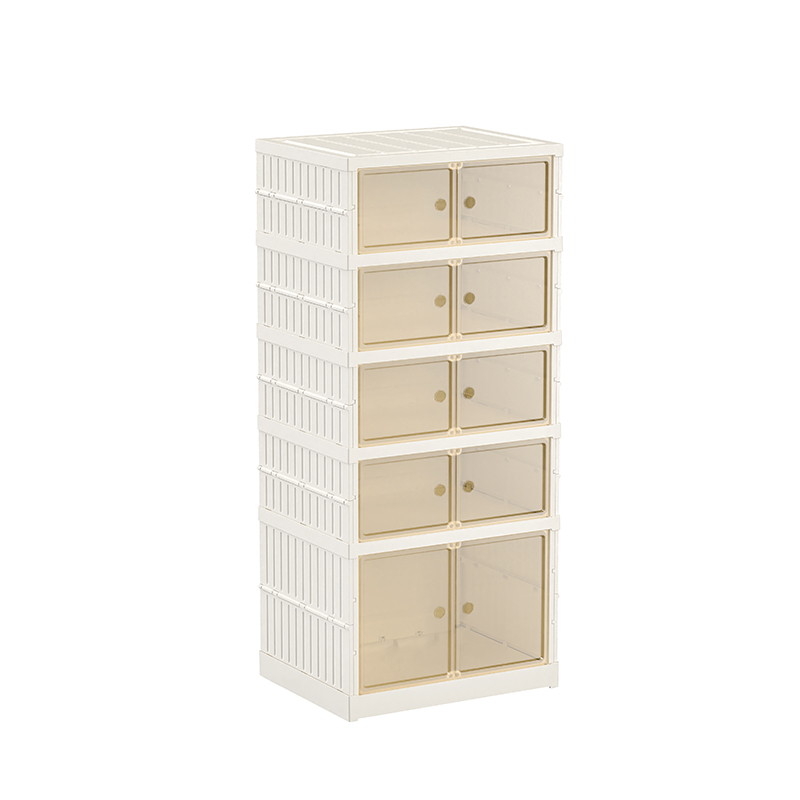
Multi-Purpose 6-Tier Foldable Storage Cabinet

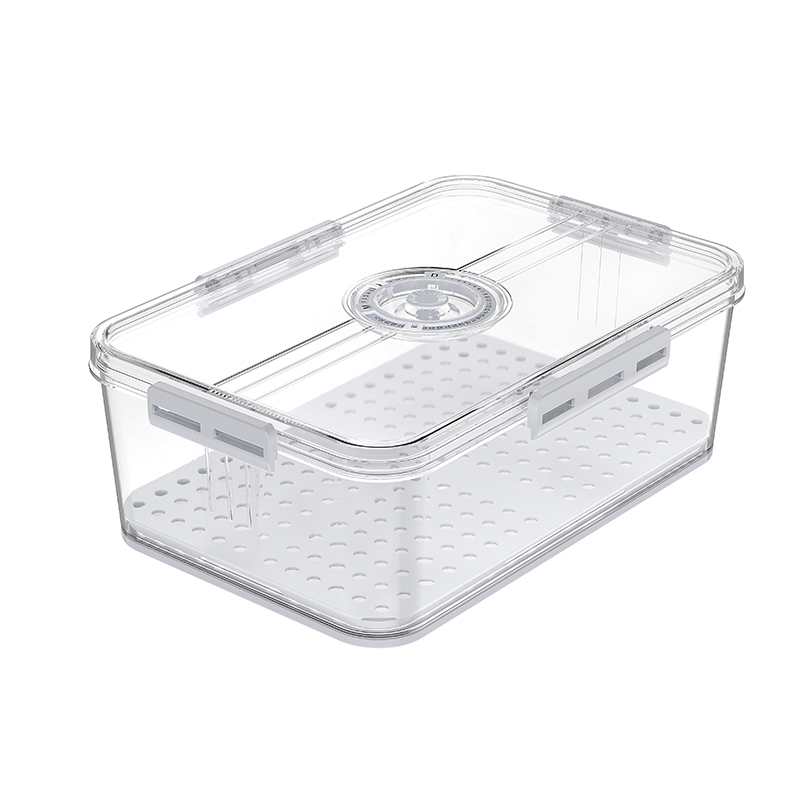
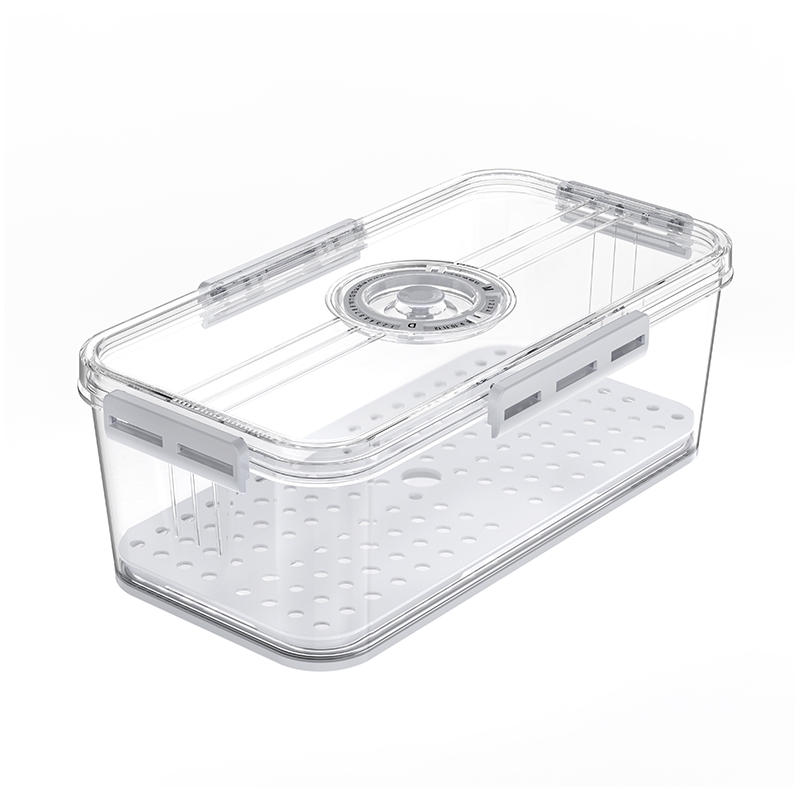
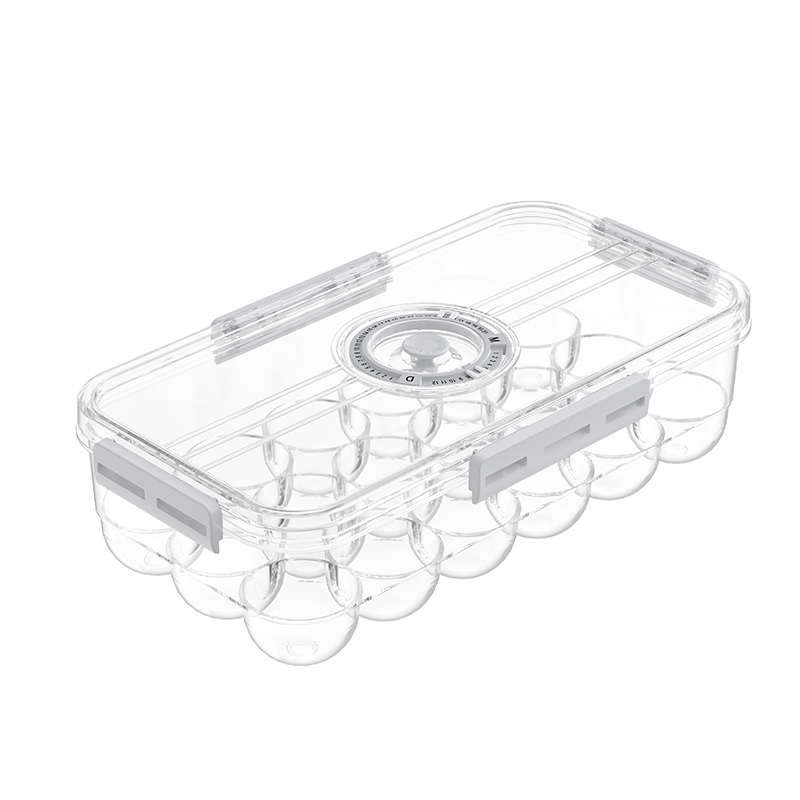
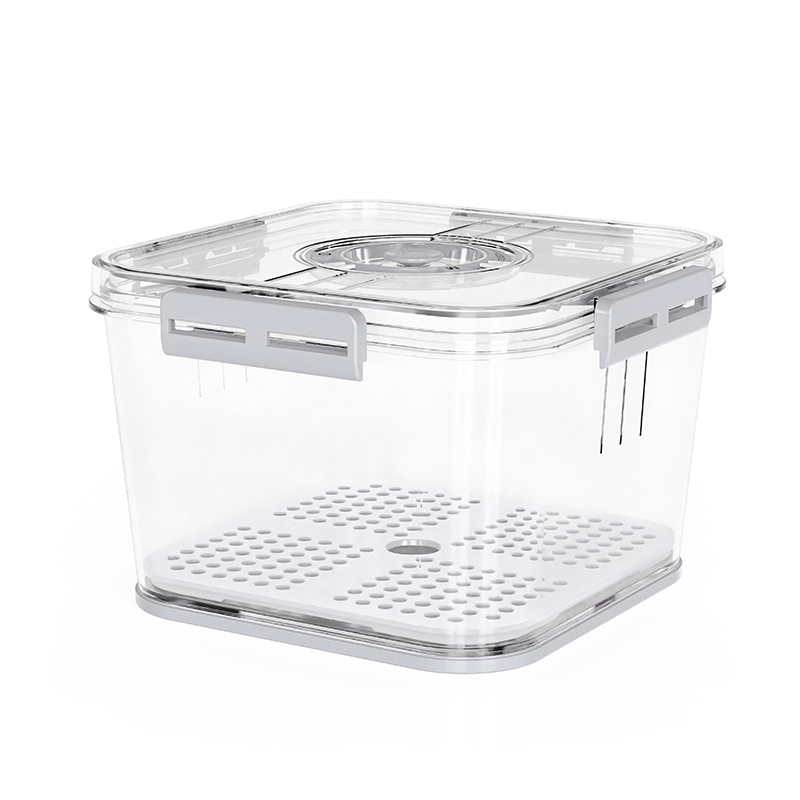
Home plastic storage products are widely used for organizing clothing, food, and household items. Their popularity comes from their light weight, stackable design, and relatively low cost. However, suitability for long-term storage depends on multiple factors, including material type, design structure, environmental conditions, and the nature of the stored items. Evaluating these aspects helps determine whether plastic storage solutions can meet long-term needs without introducing risks such as odor retention, deformation, or contamination.
Home plastic storage containers are typically made from polypropylene, polyethylene, PET, or blended plastics. Each material behaves differently over extended periods. Polypropylene is often used for food containers due to its chemical stability and resistance to heat within a moderate range. Polyethylene is more flexible and commonly used for storage boxes and bags, while PET is frequently used for transparent food containers. The long-term suitability of these materials depends on their resistance to aging, interaction with contents, and environmental exposure.
The table below outlines typical plastic materials and their general long-term characteristics:
| Plastic Material | Common Applications | Long-Term Considerations |
| Polypropylene | Food containers, storage bins | Resistant to moisture, may deform under sustained heat |
| Polyethylene | Clothing boxes, flexible storage | Good flexibility, may absorb odors over time |
| PET | Transparent food storage | Clear appearance, sensitive to high temperatures |
When used for clothing, home plastic storage must provide protection against dust, moisture, insects, and light. Plastic containers with well-fitted lids can effectively isolate garments from external contaminants. This is particularly useful for seasonal clothing, such as winter coats or summer wear, that remains unused for months.
However, long-term storage of clothing in plastic containers also presents challenges. Poor ventilation can trap residual moisture from fabrics, increasing the risk of mildew or unpleasant odors. Natural fibers like cotton, wool, and silk are especially sensitive to humidity. If plastic storage boxes lack breathable features, they may create a closed microenvironment that accelerates fabric aging.
To mitigate these issues, desiccants or moisture absorbers are often used inside storage boxes. Additionally, storing clean, fully dried clothing reduces the likelihood of odor development or fiber degradation during long-term storage.
Food storage places higher demands on material safety and stability. Plastic containers intended for food use must meet relevant food-contact standards to avoid chemical migration. Over long storage periods, especially at room temperature, the interaction between food and plastic becomes a critical consideration.
Dry foods such as grains, pasta, and snacks are generally more compatible with plastic storage than oily or acidic foods. Moist or high-fat foods can accelerate odor retention or surface staining inside plastic containers. Temperature fluctuations can further influence material performance, potentially leading to warping or reduced sealing ability.
The table below compares different food types and their compatibility with long-term plastic storage:
| Food Type | Storage Compatibility | Key Considerations |
| Dry goods | Generally suitable | Ensure airtight seal to prevent pests |
| Oily foods | Conditionally suitable | Risk of odor absorption |
| Acidic foods | Limited suitability | Potential material interaction over time |
The effectiveness of long-term storage is strongly influenced by sealing performance. Plastic containers with snap-on lids, silicone gaskets, or locking mechanisms offer better isolation from air and moisture. Over time, however, repeated opening and closing can weaken hinges or reduce gasket elasticity.
Structural rigidity also matters. Thin-walled plastic boxes may deform under stacking pressure, especially when stored for long periods. Deformation can compromise lid alignment, reducing airtightness and exposing contents to air or pests. Thicker walls and reinforced corners help maintain shape during extended storage.
Environmental conditions play a major role in determining how well home plastic storage performs over time. High temperatures can accelerate plastic aging, leading to brittleness or warping. Prolonged exposure to sunlight may cause discoloration and reduce material strength due to UV degradation.
Humidity is another key factor. In humid environments, plastic storage can trap moisture if not properly sealed or ventilated. This affects both clothing and food, increasing the likelihood of mold growth or quality degradation. Storing plastic containers in cool, dry, and shaded areas helps extend their usable lifespan.
Plastic materials can absorb odors, particularly when used for food storage. Over long periods, these odors may persist even after cleaning, making containers less suitable for switching between different contents. This is especially relevant when the same container is used alternately for food and non-food items.
For clothing storage, residual plastic odors may transfer to fabrics if containers are new or made from lower-grade materials. Allowing containers to air out before use and avoiding mixed-purpose storage reduces the risk of odor transfer.
Regular cleaning is essential to maintain the suitability of home plastic storage for long-term use. Food containers should be washed thoroughly and dried completely before reuse or extended storage. Residual moisture left inside sealed containers can lead to bacterial growth or unpleasant smells.
For clothing storage, periodic inspection is advisable. Opening containers occasionally allows air exchange and helps identify early signs of moisture accumulation or odor. Cleaning storage boxes between storage cycles also prevents dust and residue buildup.
While plastic storage is convenient, alternative materials such as fabric storage bags, metal containers, or wooden boxes may be preferred in certain long-term scenarios. Fabric storage offers better breathability for clothing, while metal containers provide strong protection for food but may be heavier and less flexible.
The choice between plastic and alternative materials often depends on storage duration, environment, and the type of items stored. Plastic storage remains a practical option when its limitations are understood and managed appropriately.
Home plastic storage can be suitable for long-term storage of clothing or food when appropriate materials, designs, and usage practices are selected. Understanding material behavior, ensuring proper sealing, managing environmental conditions, and maintaining regular cleaning routines all contribute to better long-term outcomes. By aligning storage choices with the specific needs of clothing or food, plastic storage solutions can remain functional and reliable over extended periods.


Zhangqi Industrial Park, Cixi City, Ningbo City, Zhejiang Province

