
 Search for...
 English
 Español
 日本語
日本語
 한국어
한국어
 عربى
عربى
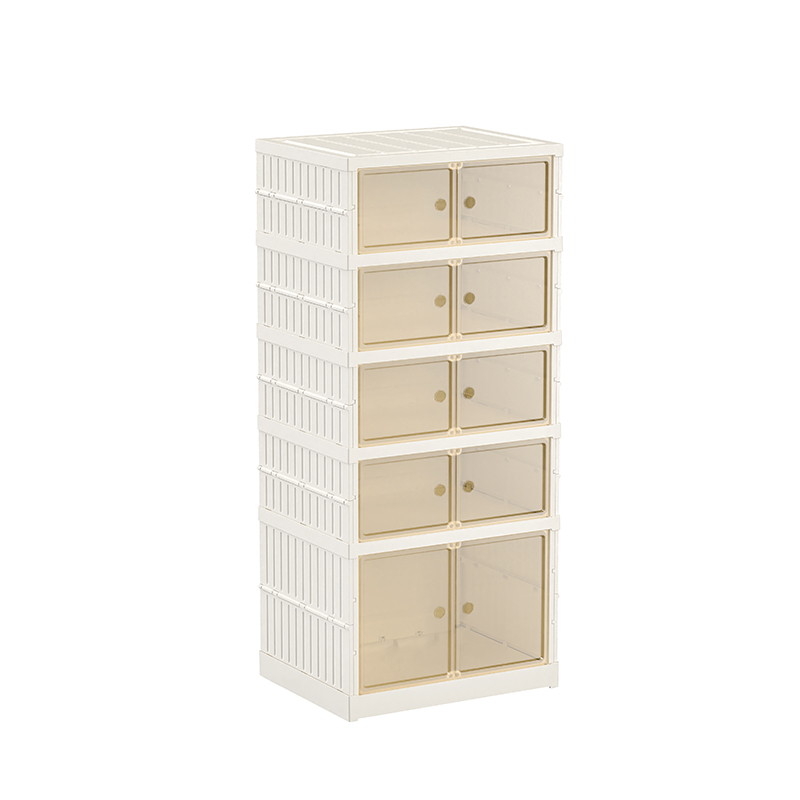
Multi-Purpose 6-Tier Foldable Storage Cabinet

A collection only stays organized if you can actually see what you own.
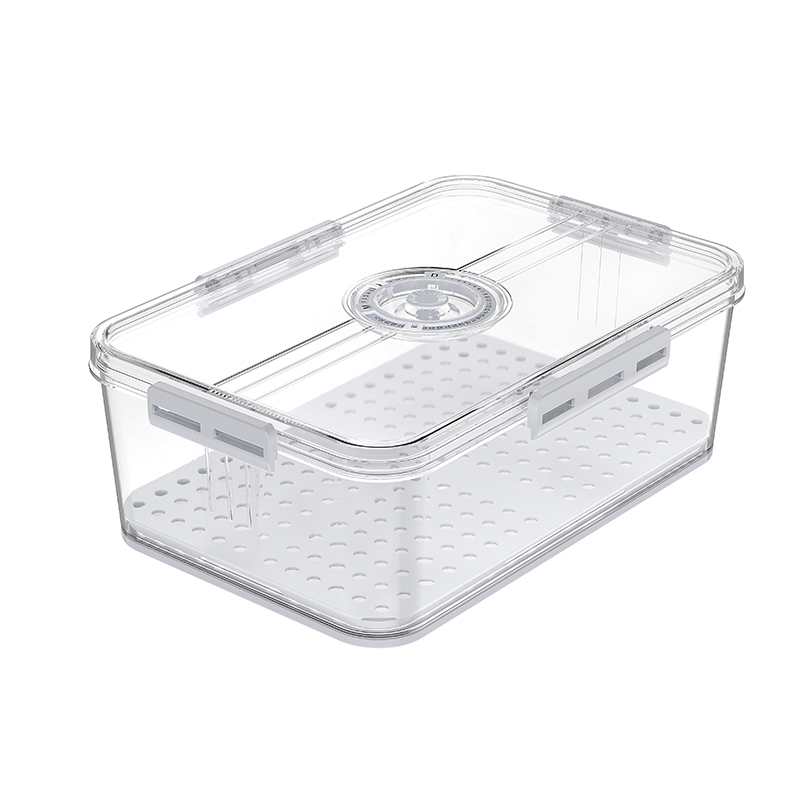
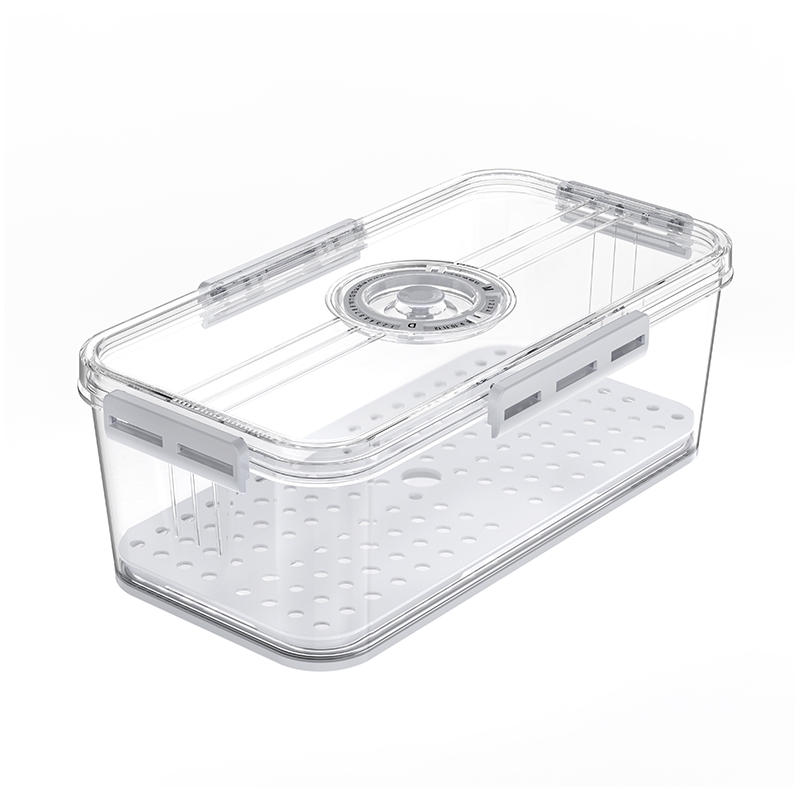
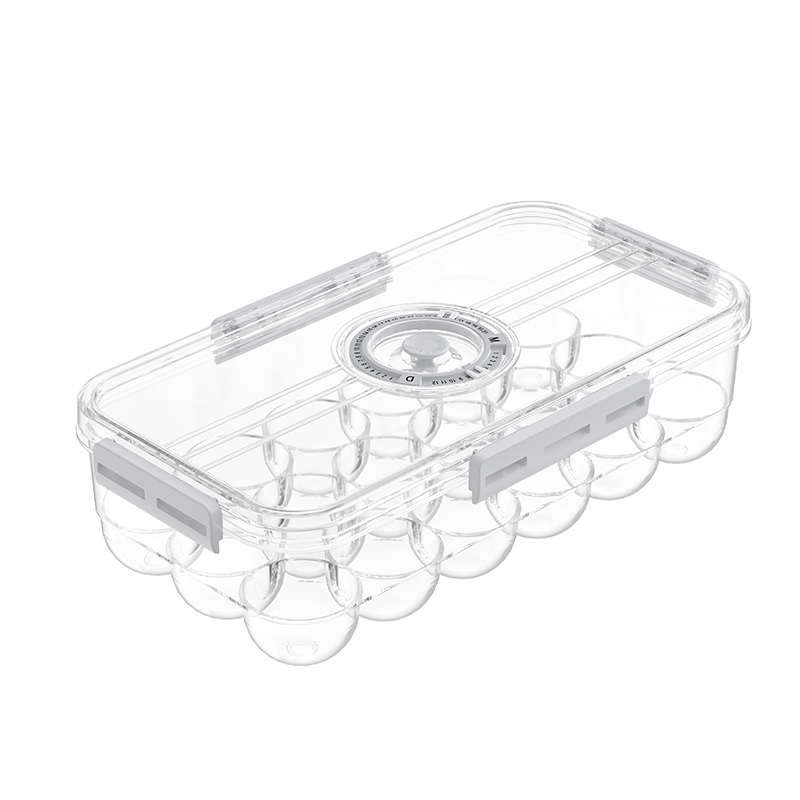
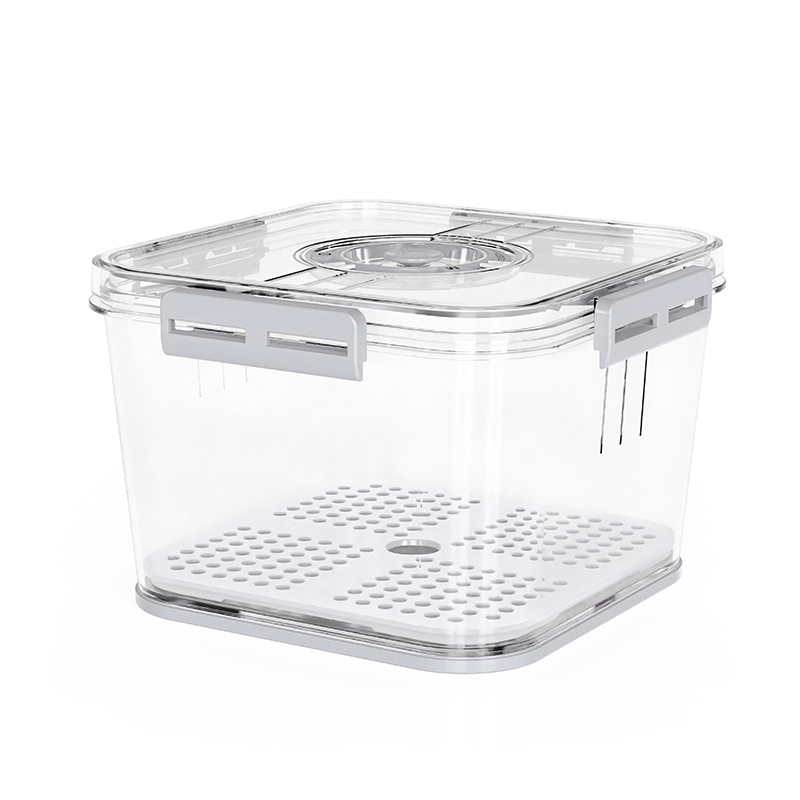
Plastic storage built for beauty products solves a problem that fabric pouches and bathroom drawers never quite fix: visibility. Skincare and makeup collections grow in odd shapes and sizes — squat jars, tall pumps, flat palettes — and a system that can't accommodate that variety just becomes a place where things get lost. The best plastic organizers are chosen around two questions: how clear does it need to be, and how is the layout going to match what's actually being stored. Both of those decisions matter more than price or brand, and both are compared in detail below.
Rough share of skincare products estimated to go unused past their prime once they're stored out of sight in a drawer.
The three dominant storage formats for beauty products — drawer organizers, stackable bins, and rotating towers.
Clear acrylic-style plastic and standard opaque plastic cover the vast majority of beauty storage products on the market.
Storage material affects more than looks. Clear, acrylic-style plastic makes contents instantly visible, which studies on kitchen and bathroom organization consistently link to more consistent product use. Standard opaque plastic trades that visibility for lower cost and, in many cases, better resistance to yellowing from UV exposure over time.
| Material | Visibility | UV / Yellowing Resistance | Typical Cost |
| Clear Acrylic-Style | Excellent — contents fully visible | Moderate; can yellow with direct sun exposure | Higher per unit |
| Standard Opaque | None without labeling | Better resistance to visible yellowing | Lower per unit |
A practical middle ground many organized collections land on: clear storage for anything used weekly, and opaque bins or labeled drawers for backstock and rarely used items where visibility matters less than protecting the product from light exposure.
Layout format should follow collection size and counter space, not the other way around. A rotating tower that works beautifully for a dozen lipsticks becomes unwieldy at fifty, while a drawer system that suits a small bathroom counter can feel underused for a walk-in vanity space.
Compartmentalized trays that slide into existing drawers or stack as standalone units, keeping products flat and out of direct light.
Best for: small collections, shared bathrooms
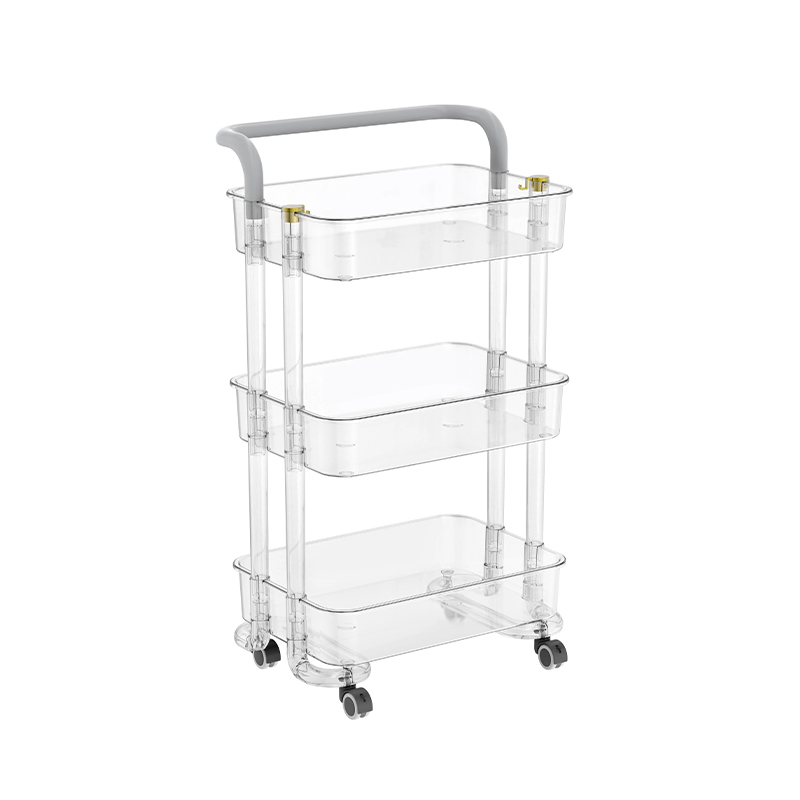
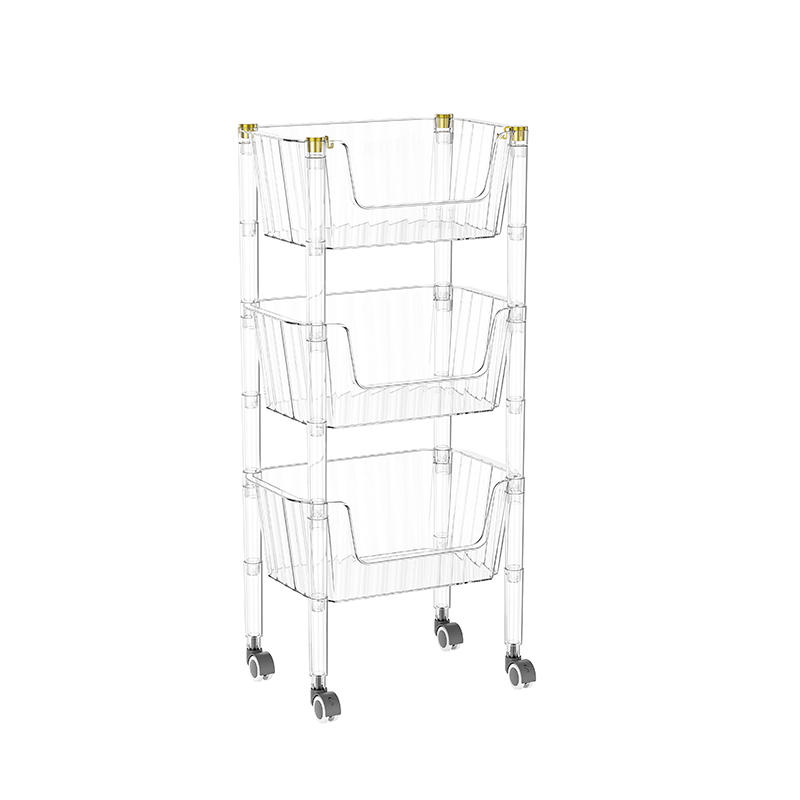
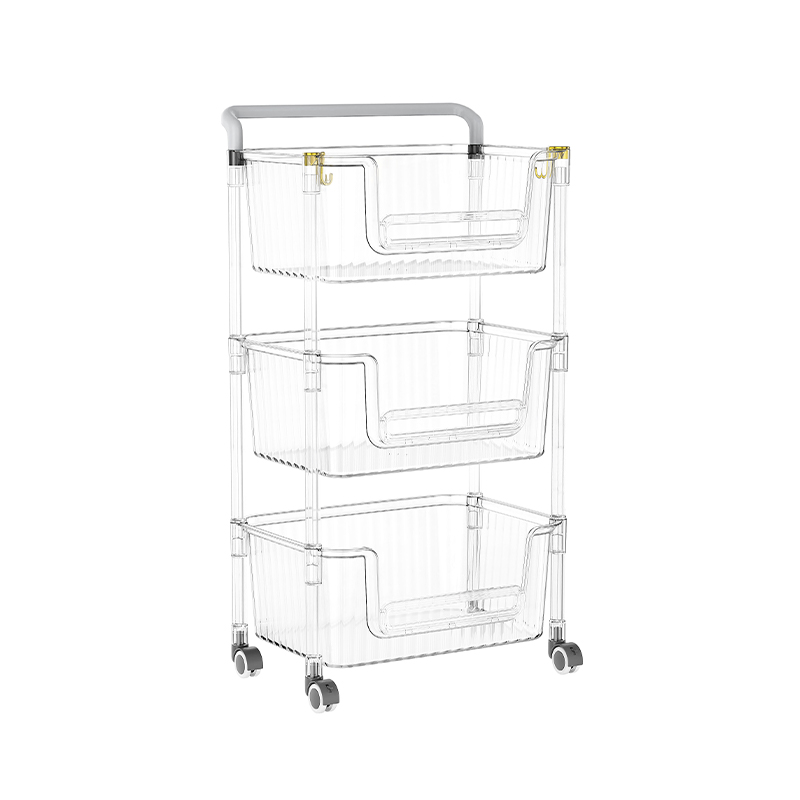
Modular clear containers that stack vertically, letting a collection grow without needing more counter footprint.
Best for: growing collections, closet shelving
A central rotating column with tiered compartments, keeping every item accessible without lifting anything out of the way.
Best for: daily-use items, vanity countertops
Generic grid organizers assume every product is roughly the same size, which is rarely true of a real collection. Before buying, it helps to sort products into three rough categories and size storage around each one rather than forcing everything into uniform slots.
Bathroom storage faces a different environment than a bedroom vanity or closet shelf, and that difference should influence material choice. Steam and humidity from showers can warp certain lower-grade plastics over time and accelerate degradation of light-sensitive formulas stored nearby, while direct sunlight through a window is one of the fastest ways to yellow clear acrylic-style storage.
| Location | Primary Risk | Recommended Adjustment |
| Bathroom counter or cabinet | Humidity and steam exposure | Choose bins with drainage gaps or moisture-resistant seals |
| Window-adjacent shelf | UV yellowing and heat buildup | Use opaque bins or position storage away from direct light |
| Closet or drawer storage | Low visibility, items forgotten | Add labels or use clear compartments even in low-light storage |
Even well-organized storage fails if nothing is ever rotated. A simple front-to-back or top-to-bottom system, where newly purchased products go to the back or bottom, keeps older stock naturally surfacing first without requiring a spreadsheet or app to manage it.
Keeping clear plastic looking new is mostly about avoiding a few specific mistakes rather than following an elaborate routine. A mild soap and warm water solution, applied with a soft cloth, removes most residue without risking surface damage, while a microfiber cloth used dry helps prevent the fine scratches that make clear plastic look hazy over time.


Zhangqi Industrial Park, Cixi City, Ningbo City, Zhejiang Province

