
 Search for...
 English
 Español
 日本語
日本語
 한국어
한국어
 عربى
عربى
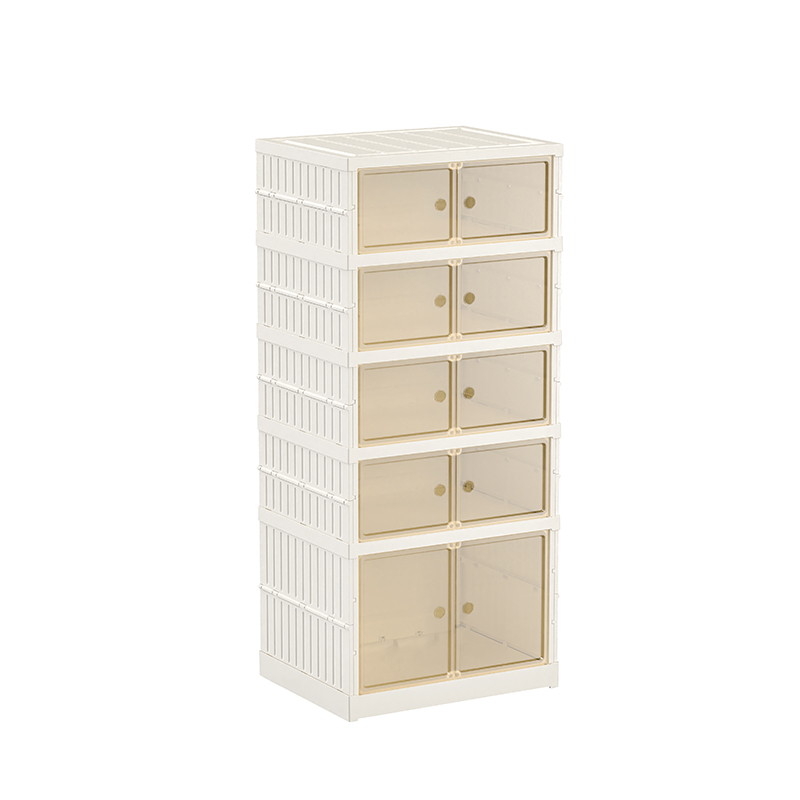
Multi-Purpose 6-Tier Foldable Storage Cabinet

Not all storage plastic performs the same way under stress, temperature swings, or repeated opening and closing. The three most common plastics in household storage bins are polypropylene, polyethylene, and PVC, and each has distinct strengths.
Rigid, resistant to cracking under moderate impact, and tolerant of temperature swings from roughly -10°C to 100°C, making it suitable for garages and attics.
More flexible and slightly softer, which helps it resist stress cracking but makes it less rigid for stacking heavy loads compared to polypropylene.
Used mainly in smaller organizers and drawer dividers; less common for large bins due to lower impact resistance at cold temperatures.
Bins left in unheated garages or attics benefit most from polypropylene's wider temperature tolerance, since polyethylene and PVC containers can become brittle and crack in freezing conditions after repeated seasonal exposure.
The choice between clear and solid-colored bins affects daily usability more than most people expect.
| Feature | Clear Bins | Opaque Bins |
| Content visibility | Immediate, no need to open | Requires labeling or opening to check |
| UV resistance | Lower, can yellow with sun exposure | Generally better UV resistance |
| Best location | Closets, indoor shelving | Garages, sheds, areas with sunlight exposure |
Households storing items long-term in a garage with a window or skylight often see clear bins discolor and become slightly more brittle after one to two years of direct sun exposure, while opaque bins in the same location show minimal change over the same period.
Two dominant storage formats compete for closet and garage space: simple stackable lidded bins and modular drawer units that slide in and out of a frame.
A practical approach many organizers recommend is using stackable bins for seasonal or rarely accessed items, such as holiday decorations, and modular drawers for items accessed weekly, such as craft supplies or tools.
The lid is often the first point of failure in a storage bin, especially with repeated opening. Three common lid designs dominate the market, each with different long-term reliability.
| Lid Type | Seal Quality | Common Failure Point |
| Snap-fit lid | Moderate | Corners can loosen after repeated flexing |
| Buckle/latch lid | High | Latch mechanism can crack if overtightened |
| Gasket-sealed lid | Very high, near airtight | Gasket can degrade after several years |
For items sensitive to moisture or pests, such as fabric, paper documents, or pet food, a gasket-sealed lid provides meaningfully better protection than a standard snap-fit lid, which can allow small gaps after the plastic experiences minor warping from temperature changes.
Manufacturers typically rate bins for a maximum stacking load, but real-world performance depends heavily on how weight is distributed. A bin rated to hold 30 kilograms on its lid when stacked can still fail prematurely if the item inside shifts to one side, concentrating pressure unevenly on the lid's weakest point.
Oversized bins are one of the most common mistakes in home storage planning. A large bin fully packed with books or tools can weigh more than most people can comfortably lift, leading to items being left unorganized simply because the container is too heavy to move.
Best for closet shelves and dense items like books, tools, or hardware, keeping total weight manageable.
Good all-purpose size for clothing, linens, and mixed household items on garage shelving.
Suited for bulky lightweight items like bedding or seasonal decorations, not dense or heavy contents.
Matching container size to item density rather than available shelf space alone helps prevent the common problem of bins that are structurally sound but simply too heavy to lift once filled.
Plastic storage containers don't fail suddenly in most cases; they show warning signs first. Fine surface cracks near the corners, a lid that no longer snaps flush, or a slight yellowing combined with brittleness when flexed are all indicators that the plastic has begun to degrade from UV exposure or repeated temperature cycling.
Replacing a bin at the first sign of corner cracking, rather than waiting for a full failure, prevents the more disruptive scenario of a bin splitting open while being carried or while stacked under other containers.


Zhangqi Industrial Park, Cixi City, Ningbo City, Zhejiang Province

