
 Search for...
 English
 Español
 日本語
日本語
 한국어
한국어
 عربى
عربى
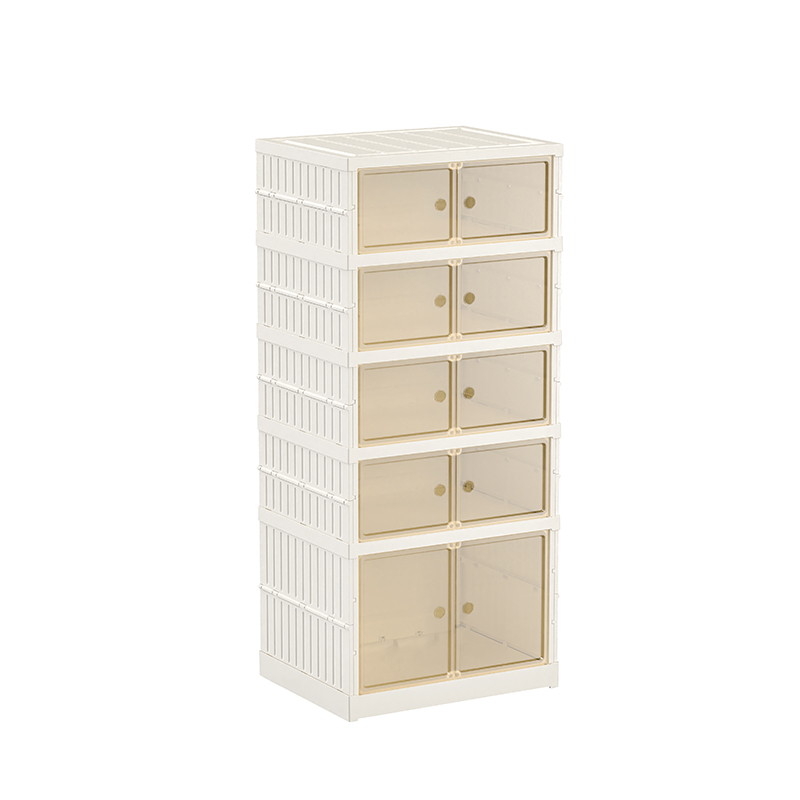
Multi-Purpose 6-Tier Foldable Storage Cabinet

Utilizing high-grade, specialized beauty plastic storage architectures provides an indispensable, chemically stable framework for organizing cosmetic inventory, preventing ingredient degradation from light exposure, and eliminating accidental product leaks. By selecting thermoplastic resins engineered specifically to resist complex chemical mixtures like organic essential oils, volatile silicones, and high-pH surfactants, these modular containers create an inert physical barrier. This setup delivers a lightweight, structurally resilient, and shatterproof containment network that outperforms traditional glass or fabric alternatives. It guarantees complete microbial isolation and structural stability across a lifecycle exceeding 15 years under demanding vanity, salon, and travel environments without undergoing material yellowing, clouding, or stress-cracking.
Within the professional cosmetics and personal care landscapes, managing inventory requires a balance between rapid visual access and structural containment. Cosmetic formulations are highly sensitive to environmental fluctuations; exposure to bathroom humidity, direct sunlight, and airborne dust can accelerate mold growth and break down active skincare ingredients. Opting for precisely engineered polymer containers over legacy cardboard boxes, woven baskets, or cheap single-use packaging resolves these vulnerabilities. By matching specific product weights and chemical profiles to the correct thermoplastic storage matrix, beauty operations can ensure complete safety and optimal spatial management.
The long-term performance and optical clarity of beauty storage setups are governed directly by the chemical composition of the injection-molded resin. Standard consumer plastics can warp or degrade when exposed to the aggressive solvent matrices found in modern beauty products.
Acrylic is the premier material choice for high-end vanity display systems due to its exceptional light transmission rate of 92%, which matches the optical clarity of pure glass. PMMA features a highly rigid, amorphous molecular structure that yields high scratch resistance and surface hardness. This transparency allows cosmetic professionals to identify specific pigment shades instantly, minimizing search times in fast-paced workflow environments.
For cost-effective, multi-compartment organizers, polystyrene presents a lightweight, brittle alternative. While it offers good initial clarity, its polymer chain is vulnerable to solvent attacks from aromatic esters and acetone found in nail lacquer removers. Exposure to these chemicals triggers immediate environmental stress crazing, turning the clear surface into a cloudy, weak network of micro-fractures.
Choosing the correct beauty storage setup requires evaluating visual clarity against chemical resilience, impact resistance, and long-term maintenance costs. The comparative table below details the performance differences between the three primary polymer options used in beauty organization.
| Technical Factor Profile | Premium Acrylic (PMMA) | Standard Polystyrene (PS) | Molded Polypropylene (PP) |
|---|---|---|---|
| Optical Transparency Index | Maximum (92% Light Transmission) | High (88% - Prone to Yellowing) | Translucent / Opaque (Clouded) |
| Essential Oil & Alcohol Resistance | Moderate (Resists Short-Term Spills) | Extremely Poor (Immediate Dissolution) | Absolute (Inert Hydrocarbon Chain) |
| Impact Fracturing Threshold | Moderate (Shatterproof vs. Glass) | Low (Highly Brittle, Clean Breaks) | Exceptional (High Elastic Yield) |
| Automated Washing Temp Limits | 70°C (Avoid High Heat Cycles) | 60°C (Prone to Heat Warping) | 120°C (Sanitization Compliant) |
| Primary Application Target | Countertop Displays, Lipstick Towers | Low-Cost Disposable Drawer Inserts | Travel Cases, Waterproof Bathroom Bins |
This materials analysis highlights a distinct division in application optimization. While premium acrylic delivers an unmatched presentation style for luxury front-facing counters, it remains vulnerable to long-term exposure to pure alcohols or acetone. Polypropylene containers provide excellent durability and complete chemical safety inside moisture-heavy drawers and travel kits, but their translucent, cloudy finish makes them less suitable for high-end product display. Balancing your choice between these material classes ensures your storage setup remains both durable and visually appealing.
Advanced beauty plastic storage designs incorporate smart physical adjustments that increase usable volume while keeping product packages safely separated.
To maintain optical transparency and eliminate the risk of bacterial buildup from cosmetic residues, users should execute a disciplined cleaning routine.
Even premium beauty plastic storage units face ongoing wear from external stressors like UV exposure and temperature swings, which can lead to material fatigue if left unmanaged.
Placing transparent polymer display cases next to open windows exposes them to continuous solar ultraviolet radiation. UV energy breaks the molecular bonds of clear polystyrene and low-grade acrylics, causing the material to yellow and turn brittle over time. To protect your storage units, keep clear displays out of direct sunlight or select organizers formulated with integrated UV benzotriazole stabilizers that absorb harmful solar wavelengths safely.
When soft, flexible vinyl makeup pouches rest directly against rigid polystyrene drawer dividers for months, plasticizer migration can occur. The chemical plasticizers in flexible vinyl can leach out and partially dissolve the surface of the rigid polystyrene, causing the materials to fuse together and ruin the container finish. To prevent this chemical cross-linking, separate flexible travel bags from rigid organizers using inert polyethylene sheet liners or specialized fabric partitions.


Zhangqi Industrial Park, Cixi City, Ningbo City, Zhejiang Province

