
 Search for...
 English
 Español
 日本語
 한국어
 عربى
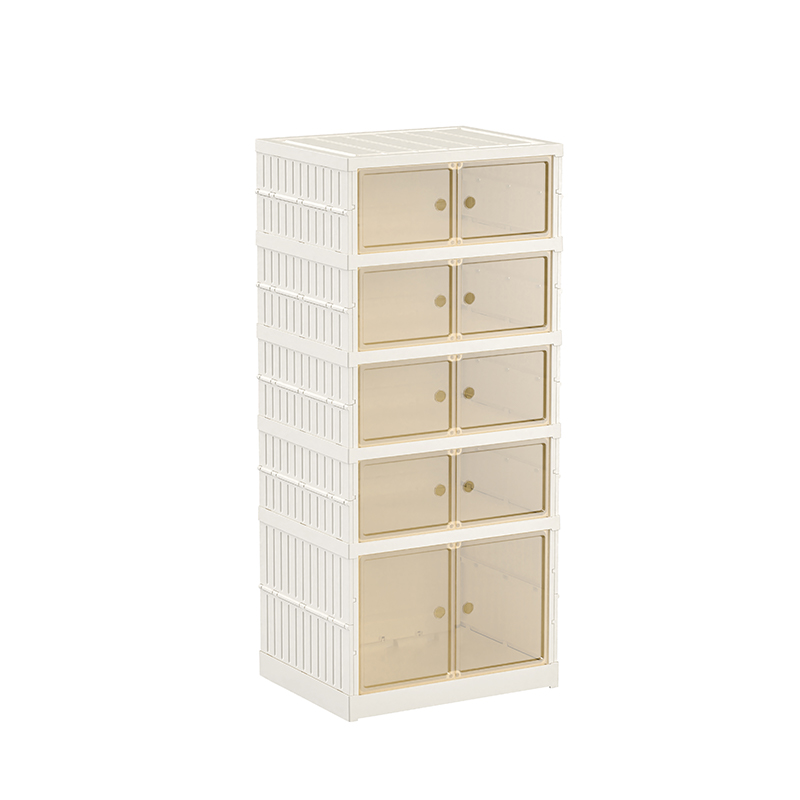
Multi-Purpose 6-Tier Foldable Storage Cabinet

A purchasing manager places two samples of supposedly clear storage boxes side by side under the same light. One has a faint blue tint, the other a milky haze. Both product sheets say "transparent." Neither is wrong, but they are different materials with different limits. That gap between the label and the real part is where buying mistakes happen.
This guide explains what a color transparent box actually is, why material choice controls both clarity and cost, and what a buyer should verify before ordering clear food-grade storage containers in volume.
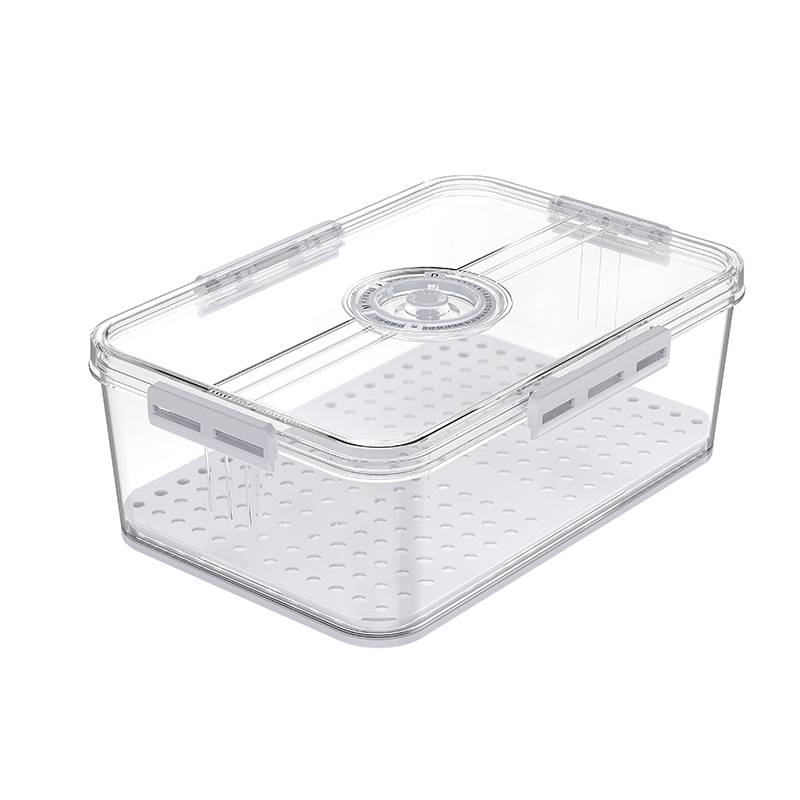
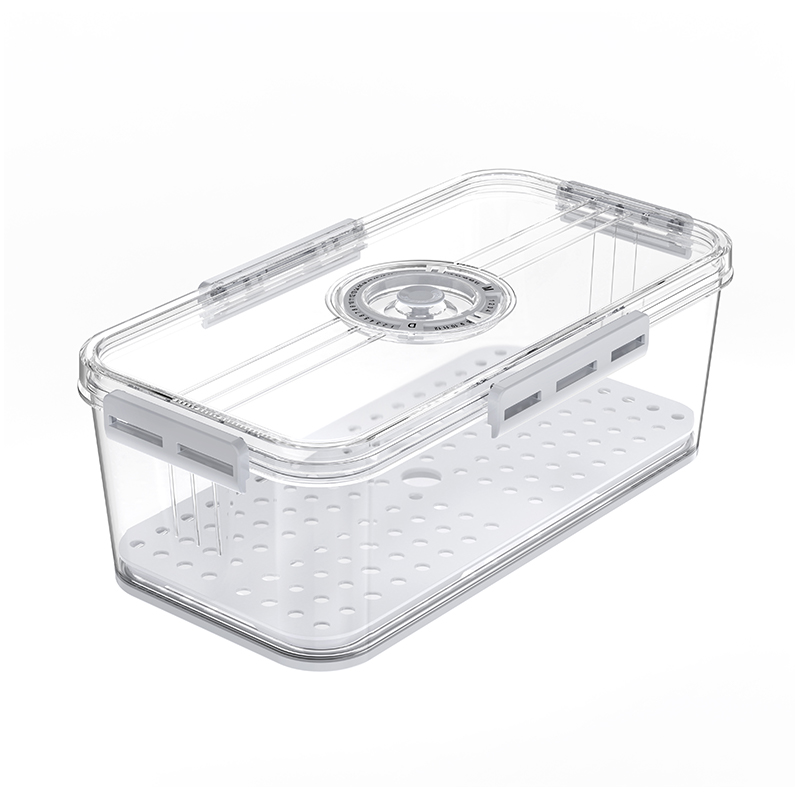
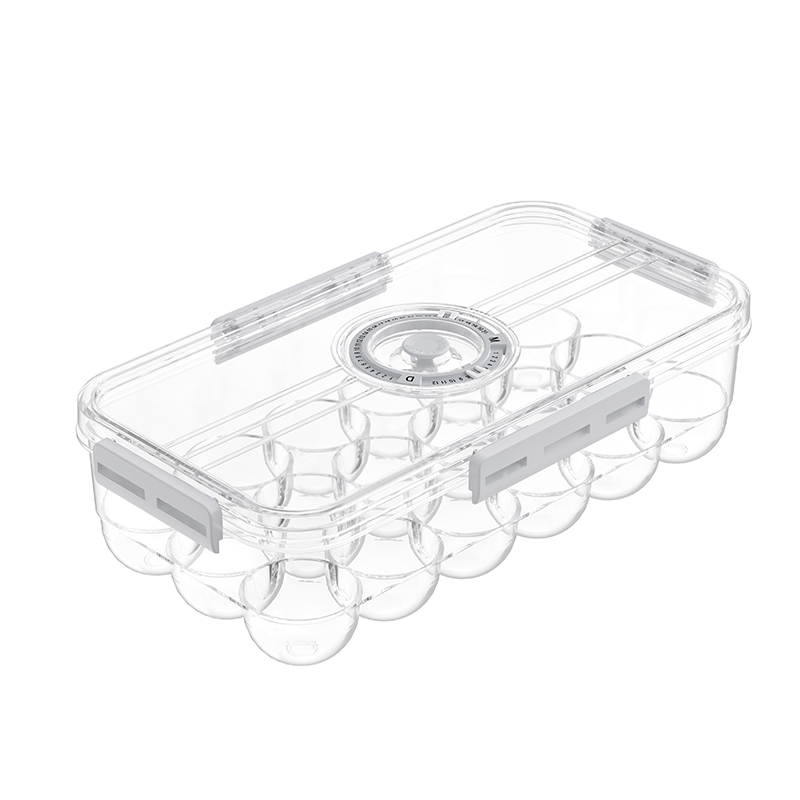
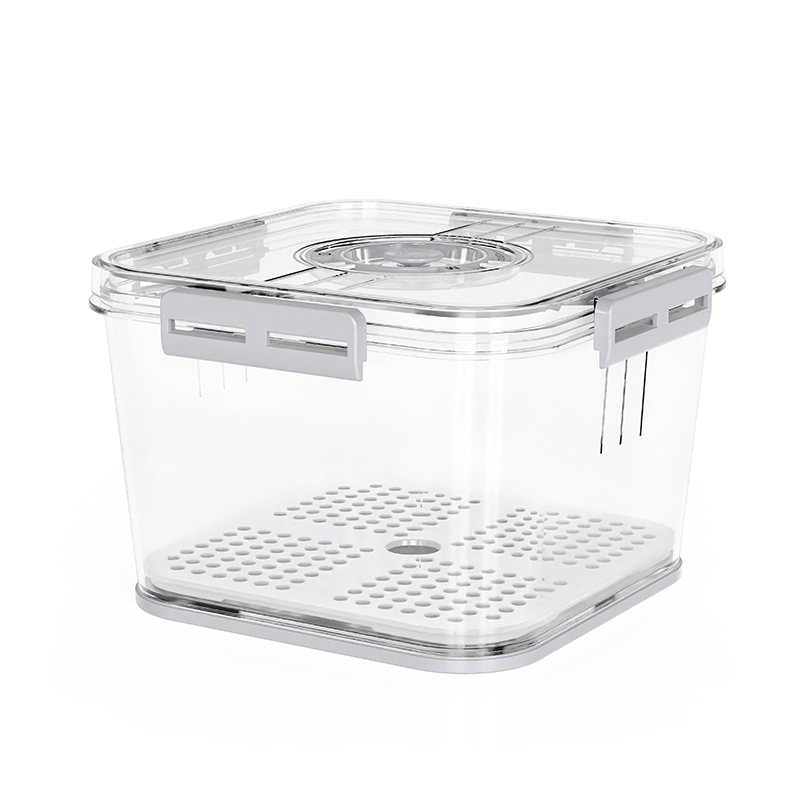
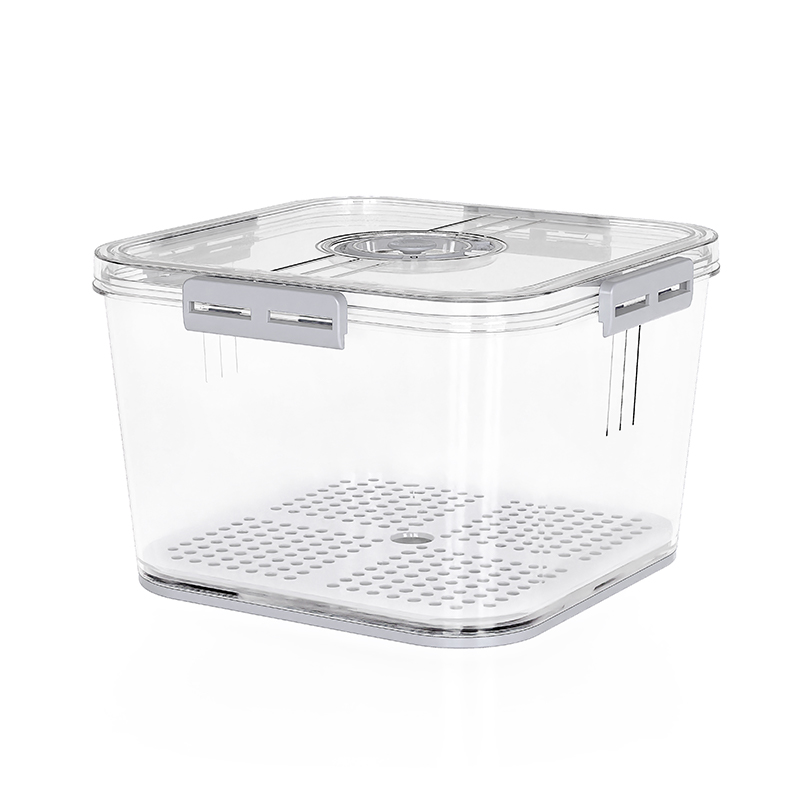
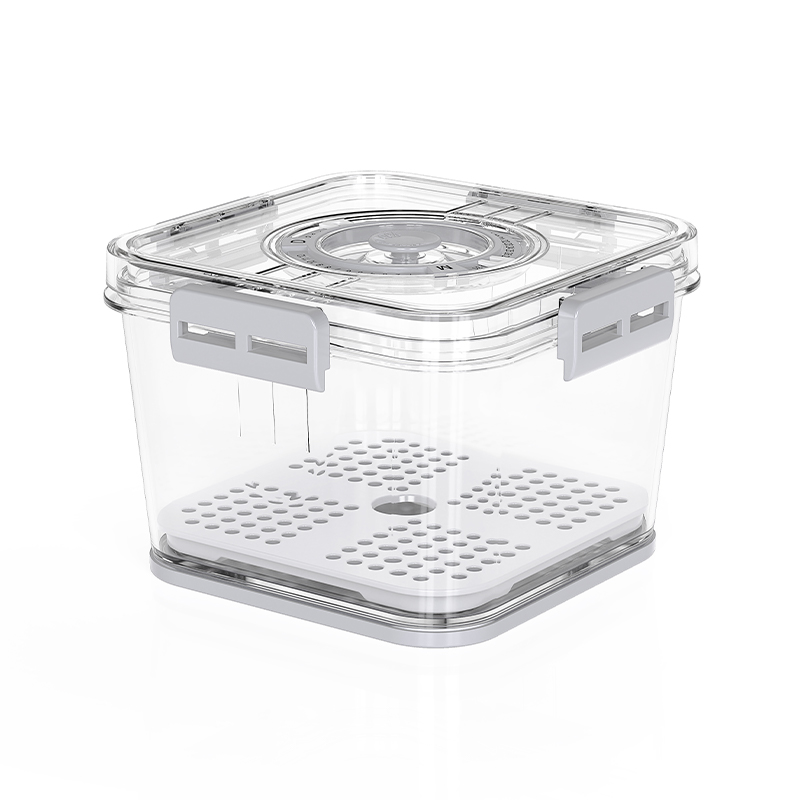
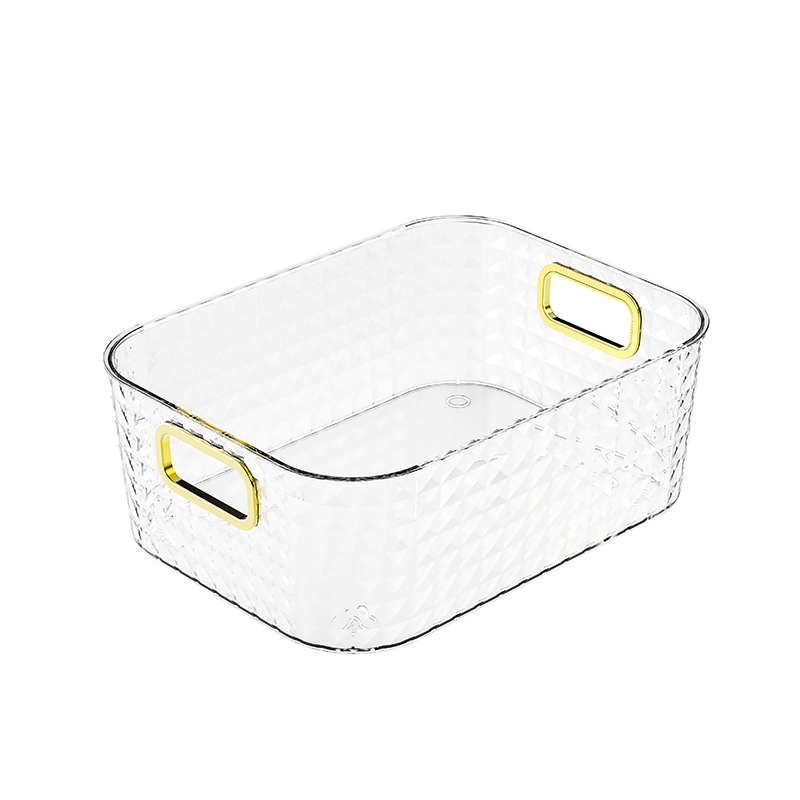
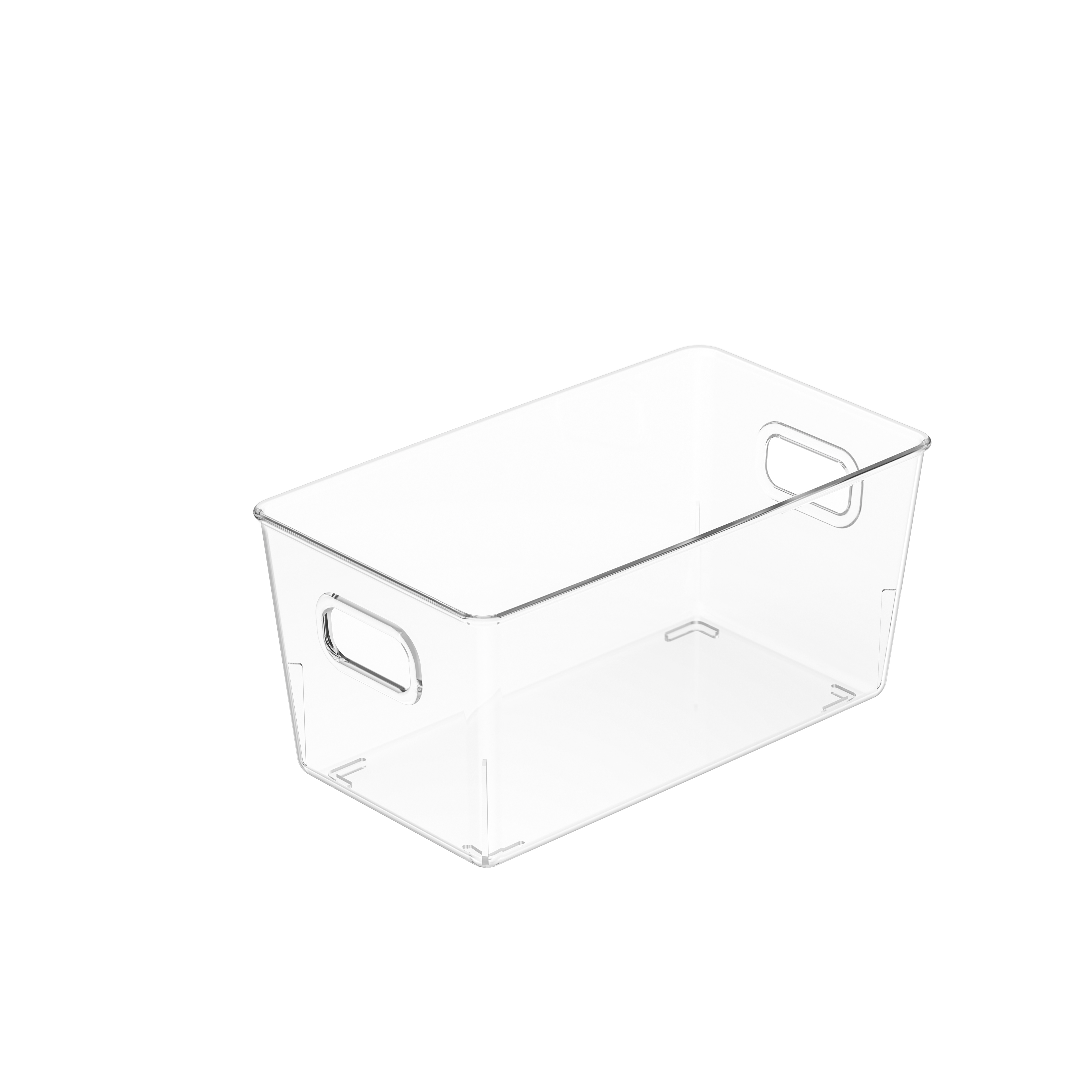
A color transparent box is a molded plastic container that stays see-through while carrying either a natural clear finish or a deliberate tint. The term covers three distinct categories:
In household and kitchen storage, the most common specification is a water-clear box made from food-grade PET, because consumers want to identify leftovers, track expiration dates, and find small items without opening every container.
No single plastic provides maximum clarity, food-contact approval, impact resistance, and low cost at the same time. The correct choice depends on what the box must survive.
PET is the default material for clear food storage. It molds into thin, rigid walls, accepts food-grade colorants, and resists cracking at refrigerator temperatures. PP weighs less and forms durable hinges, but natural PP is translucent rather than crystal clear. ABS is tough and impact-resistant, but it cannot reach water-clear transparency without special additives. Acrylic offers the highest clarity, yet it is brittle and rarely accepted for food contact.
| Property | PET | PP | ABS | Acrylic (PMMA) |
|---|---|---|---|---|
| Optical clarity | High | Moderate | Low to moderate | Very high |
| Food-contact approval | Yes in food-grade grades | Yes | Not typical | Limited |
| Impact resistance | Moderate | Good | Excellent | Low |
| Heat resistance | Up to about 70°C | Up to about 100°C | Up to about 80°C | Up to about 70°C |
| Common use in storage | Fridge food boxes | Hinged containers | Utility carts and drawer boxes | Display cases |
Recyclability is also relevant for buying decisions. PET is widely accepted in recycling programs and can be reprocessed into fiber and sheet products, which matters to distributors with sustainability targets. PP is recyclable as well, while ABS and acrylic are less commonly handled in household recycling streams.
The chart below plots relative optical clarity and impact resistance for the four materials on a 0-to-100 scale. The trade-off is clear: the clearest material is not the toughest, and the toughest is not the clearest.
Color in a transparent box is introduced through a color masterbatch, a concentrated pigment or dye dispersed in a carrier resin, which is mixed with the base plastic before injection molding. The result is a material that transmits light but filters certain wavelengths, producing a smoky, amber, blue, or other tinted appearance.
Three rules determine whether a tinted box still counts as transparent:
A common mistake is assuming a deeper tint improves the product. Higher pigment content reduces light transmission, increases haze, and can hide the very visibility the box is designed to provide.
Transparency is decided in the first few seconds of the injection cycle. The resin must be dried to the moisture content specified by the supplier; PET, for example, typically needs a moisture level below 0.02 percent before molding. Moisture that remains in the melt turns into steam inside the cavity and creates silver streaks or cloudy patches. Melt temperature and injection speed matter just as much. If the melt is too cold, the material flows poorly and leaves stress lines; if it is too hot, the polymer degrades into a yellowish tint. A disciplined process holds the same barrel temperature, back pressure, and cooling time across every shift.
Transparency does not hide defects. A box with uneven wall thickness, poor gate design, or contaminated resin will show the problem clearly. The following issues appear most often in transparent storage products:
Each defect carries a direct cost. Haze reduces consumer confidence, warpage causes returns, and dimensional drift creates compatibility complaints when customers mix new boxes with old ones.
Buyers should treat a transparent box differently from an opaque one because every defect is immediately visible to the final user. Start with the material, then check the molding quality, and then confirm the documentation.
Ask whether the base resin and the color masterbatch both have food-contact compliance certifications. A box can be molded from food-grade PET and still fail if the tinting masterbatch is not approved.
Order pre-production samples and evaluate them under normal household light rather than a warehouse spotlight. Look at the bottom corners, hinge areas, and stacking ribs where haze and stress marks appear first. Measure wall thickness with a caliper at several points.
Confirm that the supplier controls resin drying, melt temperature, and cycle time so the clarity of the first article matches the clarity of the ten-thousandth. Ask for the dimensional tolerances and the inspection method used before packing.
A transparent product leaves no room for silent process tweaks. Confirm how the factory reports adjustments, and require photographs of first-shot samples before mass production starts.
Color transparent boxes look simple, but they are demanding to produce. The material sets the optical ceiling, the mold defines the geometry, and the process decides whether every part leaves the machine with the same clarity. For buyers, the practical path is straightforward: verify food-contact documentation, inspect samples for haze and warpage, and choose a supplier who can explain how they control the molding process. That combination separates a box that looks clear on a spec sheet from one that stays clear on a kitchen shelf.


Zhangqi Industrial Park, Cixi City, Ningbo City, Zhejiang Province

