
 Search for...
 English
 Español
 日本語
 한국어
 عربى
Multi-Purpose 6-Tier Foldable Storage Cabinet

On a Monday morning, a student walks to the same shelf, lifts a clear box, and takes out a feelings card, a timer, and a notebook. The routine works because the box is easy to find, the contents are visible, and the lid opens without a struggle. That is the practical test for a discipline storage box: it should support a calm, repeatable routine, not become another classroom mystery.
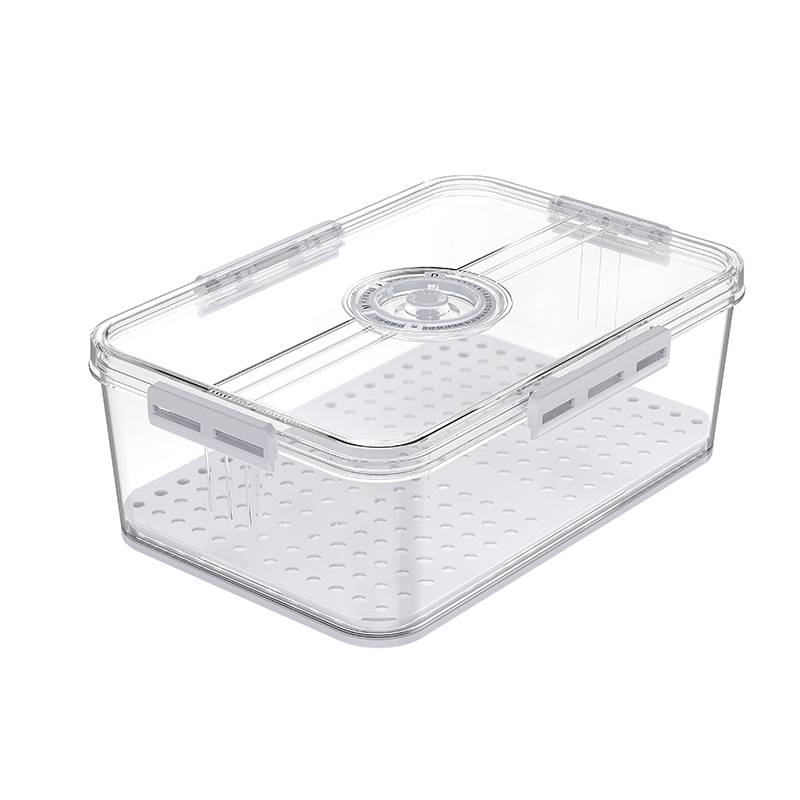
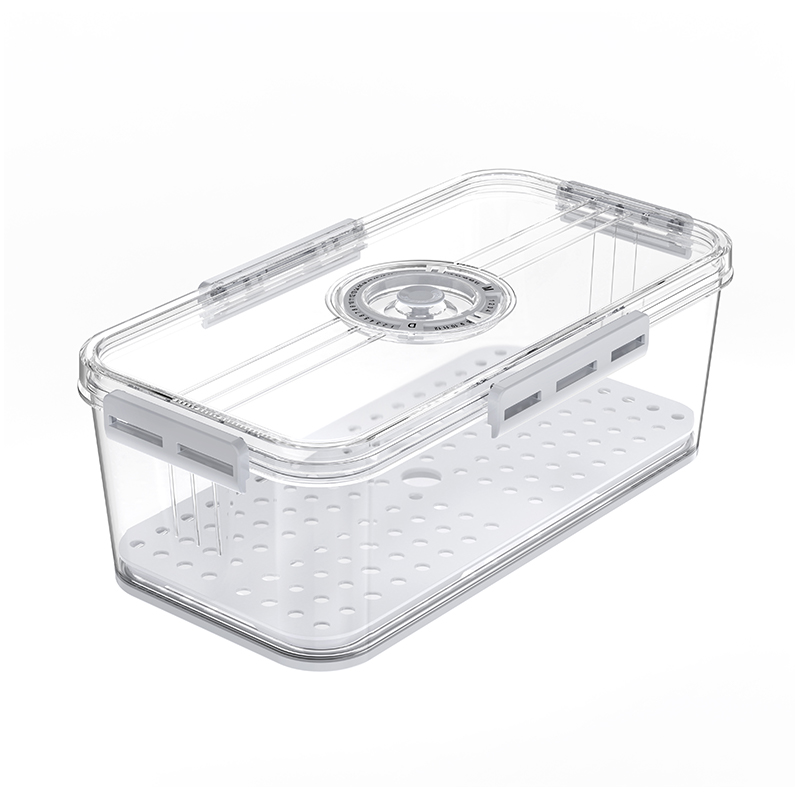
A discipline storage box is a designated container for the tools a student or teacher uses to reset, reflect, or repair a moment. Many classrooms call it a safe-keeper box. It is not a punishment box. The best specification is transparent enough to reduce searching, sturdy enough for daily handling, simple enough to clean, and labelled so a child can return it without help.
Start with the routine. If the box travels from desk to shelf, choose a light container with a secure lid and handle. If it stays on a shelf, prioritise stackability and a label window. If several students share it, use a larger station with smaller personal boxes inside. The routine decides the shape; the plastic only has to keep up.
A discipline storage box has four jobs: contain, reveal, reset, and protect. The lid must stay on in transit, the contents must be visible without emptying the box, the interior must wipe clean, and the hinges and corners must survive drops and shelf traffic.
Use this order of priorities when comparing samples.
| Material | Useful when | Watch-outs | Cleaning note |
|---|---|---|---|
| PP | You need a tough, low-cost box for daily handling. | Opaque grades hide contents; thin walls can flex. | Wipe with mild soap; avoid abrasive pads. |
| PET | Visibility is the main priority. | Clear surfaces show scratches and fingerprints. | Use a soft cloth; avoid hot water and harsh solvents. |
| ABS | Impact resistance matters more than transparency. | Usually opaque; seams and edges need inspection. | Wipe clean; check hinge areas for trapped debris. |
Ask for a sample and test it with the real contents: a timer, a small notebook, a card set, and a pencil. If the box rattles, the lid pops open, or a child needs two hands and a knee to close it, the routine will fail before the material does.
Size is usually specified too loosely. A personal discipline storage box should hold the core tools without inviting clutter. A practical internal footprint is roughly the size of a small book, with enough depth for a timer and a flat card set. Shared station boxes can be larger, but not so large that a child carries a heavy load across the room. Measure the shelf gap first; a lid that adds 10 mm can turn a neat stack into a wedged row.
Lid fit is the most common purchase risk. A good lid is snug enough to stay on when the box is lifted by the body, but not so tight that a student must pry it open. Avoid deep pinch points around hinges and sharp flashing on moulded edges. For younger children, rounded corners and a smooth base matter more than a locking latch.
Transparency is not a luxury here. A clear front panel or body lets a teacher scan for missing items during a transition. If the box must be opaque for privacy, add a label window or content card. Do not rely on handwritten tape alone; it peels, leaves residue, and makes cleaning harder.
When the routine grows beyond personal boxes, classroom-scale storage should stay visible and mobile. A clear drawer cart can hold spare timers, cards, and cleaning cloths without turning the shelf into a search project.
 Clear 3-Drawer Mobile Utility Cart with WheelsA compact transparent cart with three smooth-track drawers and lockable 360-degree wheels, useful for keeping classroom supplies visible, categorized, and easy to move.View Product →
Keep the cart near the station but out of the main walking path.
Place the discipline storage box at a predictable height. For early years, it should be reachable without climbing; for older students, a waist-height shelf reduces crowding. Keep the station away from the door and the main presentation area, but within sight. A quiet corner is useful; a hidden corner is not.
Use a three-layer layout: personal boxes for individual routines, a shared station box for refills and visual supports, and a backstock cabinet for replacement lids, labels, and cleaning supplies. This separation stops a personal box from becoming a junk drawer.
Figure 1. These weights are a planning aid, not a fixed formula; adjust them for age group, room layout, and replacement budget.
Label by purpose, not student name, unless the box is personal. “Reset tools,” “Repair kit,” and “Refill cards” are clearer than a decorative label. A contents card inside the lid helps a substitute teacher keep the routine intact.
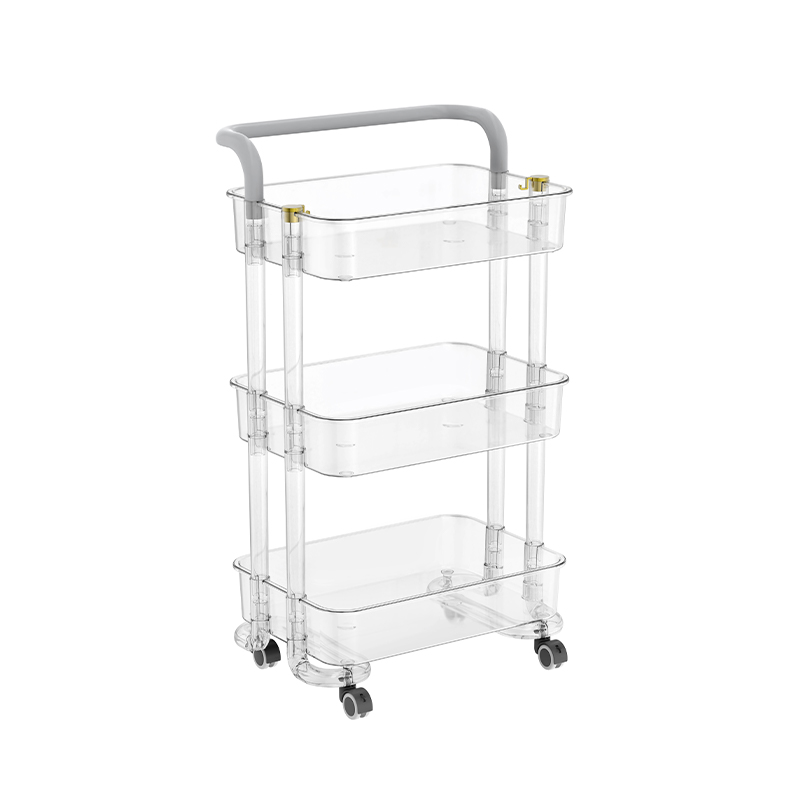
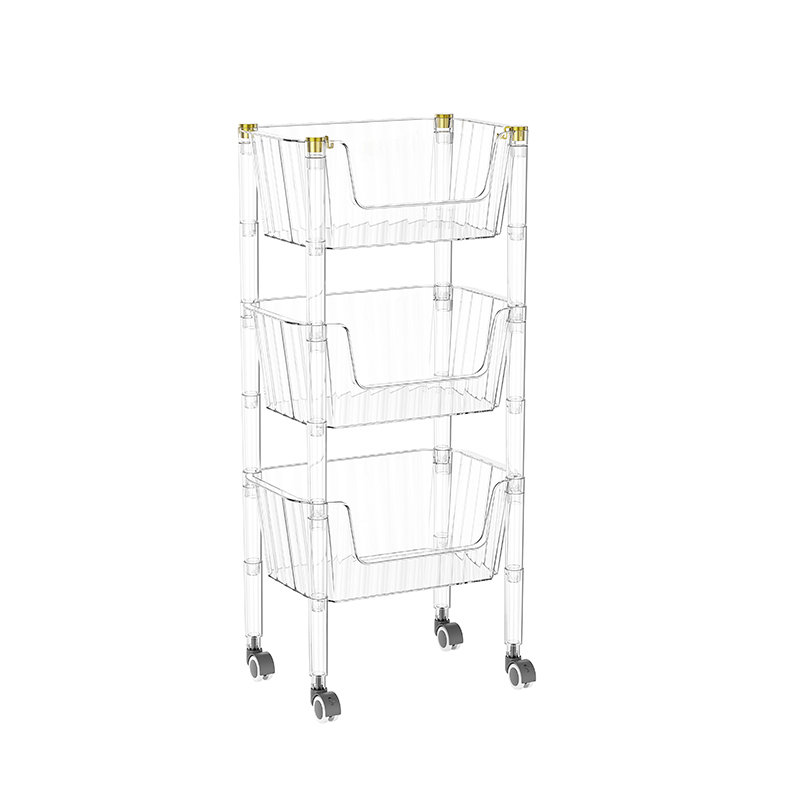
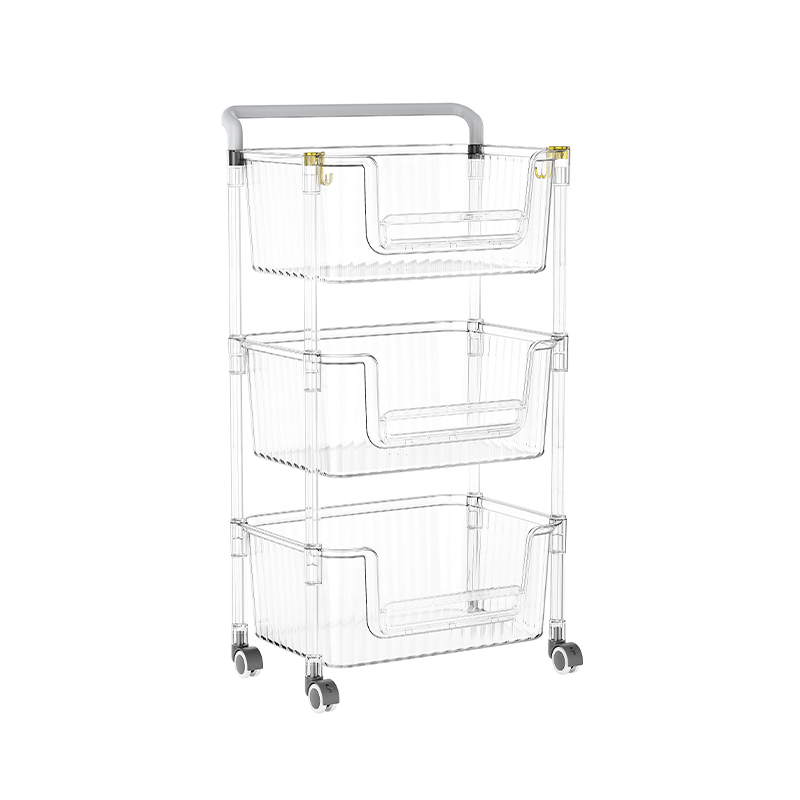
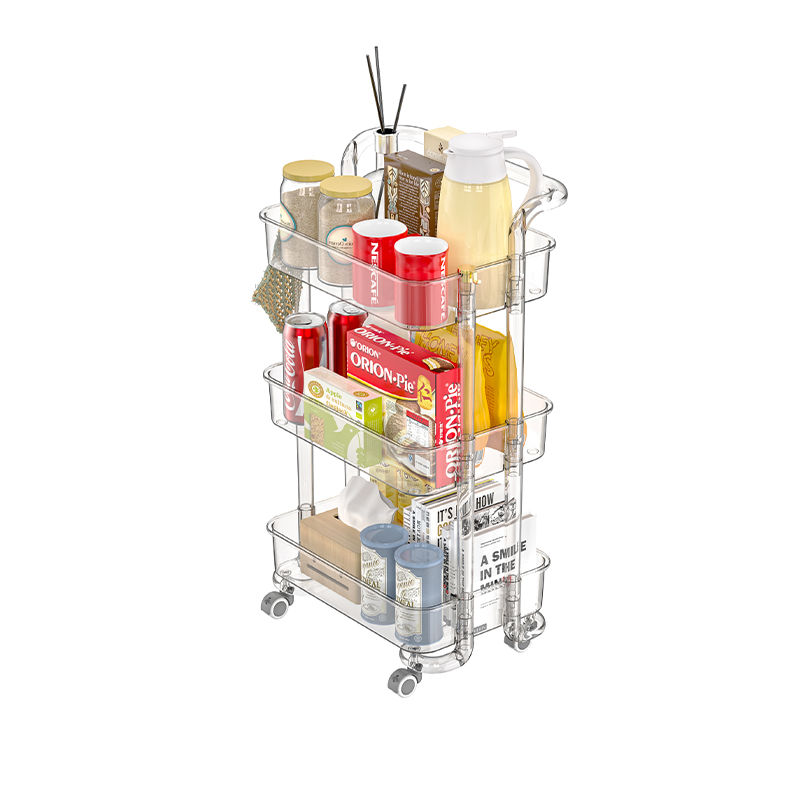 3-Tier Mobile Storage Organizer CartA three-tier mobile organizer with lockable casters and independently tested shelf loads, suited to classroom storage that needs visibility and easy repositioning.View Product →
Buy one sample before committing to a classroom set. Fill it with the real contents, hand it to a student, and watch the sequence: lift, open, use, close, return. Then check it after a week for stress marks near the hinges, lid distortion, and label residue. A box that fails this trial will fail faster in a busy room.
For bulk orders, standardise the footprint and lid type across colours. Mixed lids and mismatched stacks create storage friction when children return boxes. Ask for replacement lids or confirm that the lid design is stable across production runs. Keep a simple specification sheet: internal dimensions, material, lid style, label method, and cleaning instructions.
Cost per box is not the same as cost per routine. A cheaper box that cracks at the hinge or hides its contents may cost more in replacement and adult time. A clear body, rounded edges, and a replaceable label system are often the better procurement decision.
Store backstock where staff can see it. A foldable cabinet keeps spare boxes, labels, and refill cards together without taking a permanent footprint.
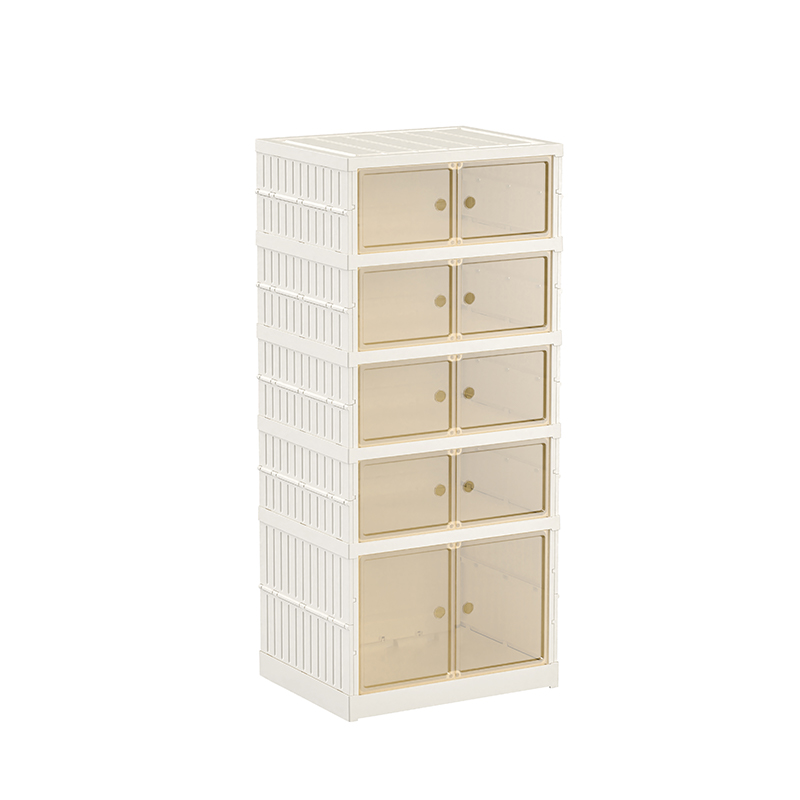
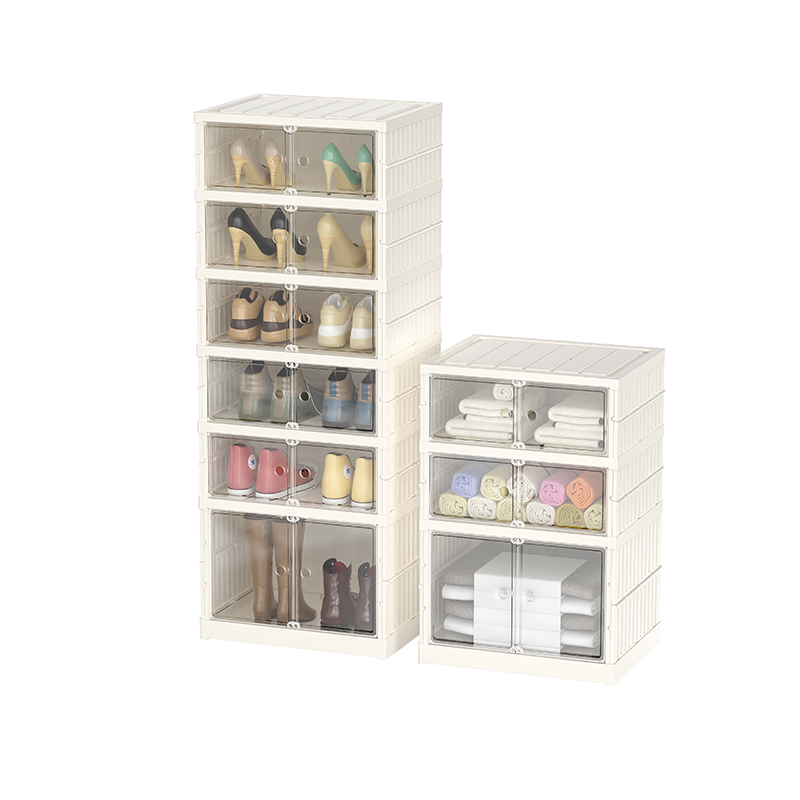 Multi-Purpose 6-Tier Foldable Storage CabinetA compact foldable six-tier cabinet with transparent magnetic doors and no-tool setup, useful for keeping spare classroom supplies visible and grouped without a permanent footprint.View Product →
A discipline storage box needs a short reset routine, not a deep cleaning day. Once a week, empty it, check the contents against the contents card, wipe the interior, and replace missing items. Once a term, inspect hinges, latches, and corners. Remove old tape and label residue before it collects grit. For general plastic care, use mild soap and avoid abrasive pads that cloud clear surfaces; the same principles used for home plastic storage organisation apply well to classroom boxes.
Train students on the return routine in the first week. A box returned open, upside down, or filled with unrelated items will lose its purpose quickly. A simple visual cue on the shelf, such as a rectangle outline or a matching colour label, does more than a verbal reminder.
The final test is simple: can a student use the box independently, calmly, and return it ready for the next person? If yes, the discipline storage box is doing its job. If not, change the routine or the box before adding more contents. The container is not the whole strategy, but a well-chosen one removes friction from the moment when friction is least welcome.


Zhangqi Industrial Park, Cixi City, Ningbo City, Zhejiang Province

