
 Search for...
 English
 Español
 日本語
日本語
 한국어
한국어
 عربى
عربى
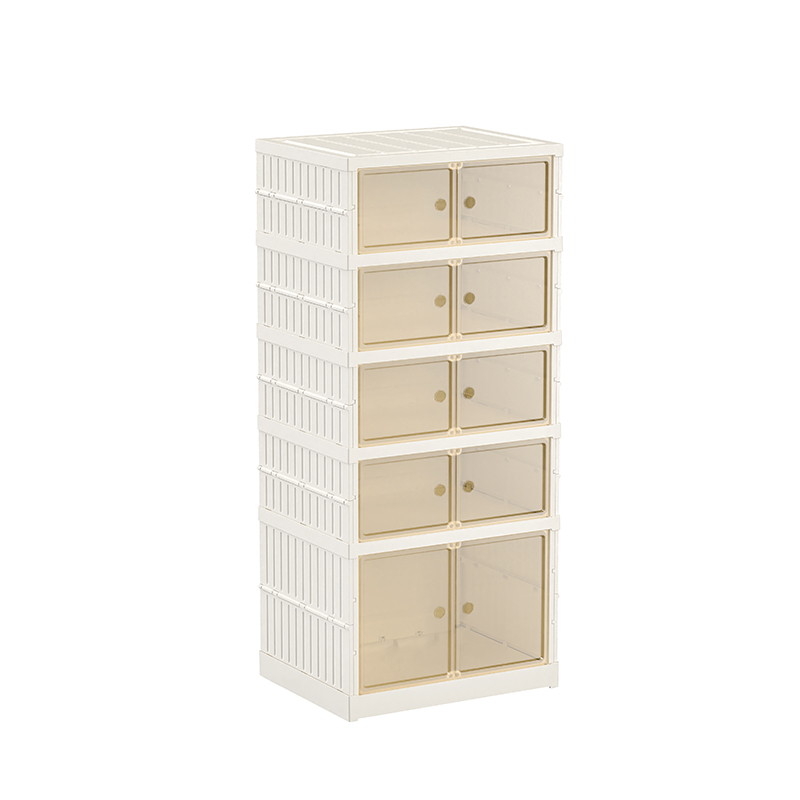
Multi-Purpose 6-Tier Foldable Storage Cabinet

Home plastic storage products are widely used for organizing, storing, and protecting household items. These products include storage bins, containers, drawer organizers, and multi-purpose boxes. In addition to convenience, modern designs emphasize reusability and durability to extend product lifespan and reduce environmental impact. Ensuring that plastic storage solutions are both reusable and durable requires attention to material selection, structural design, and manufacturing quality.
The choice of material is a key factor in determining the durability and reusability of plastic storage products. High-density polyethylene (HDPE), polypropylene (PP), and polycarbonate are commonly used for their strength, chemical resistance, and impact tolerance. These materials can endure repeated handling, stacking, and exposure to household conditions without cracking or deforming. Material consistency also supports predictable performance across multiple units, ensuring that products maintain their functionality over time.
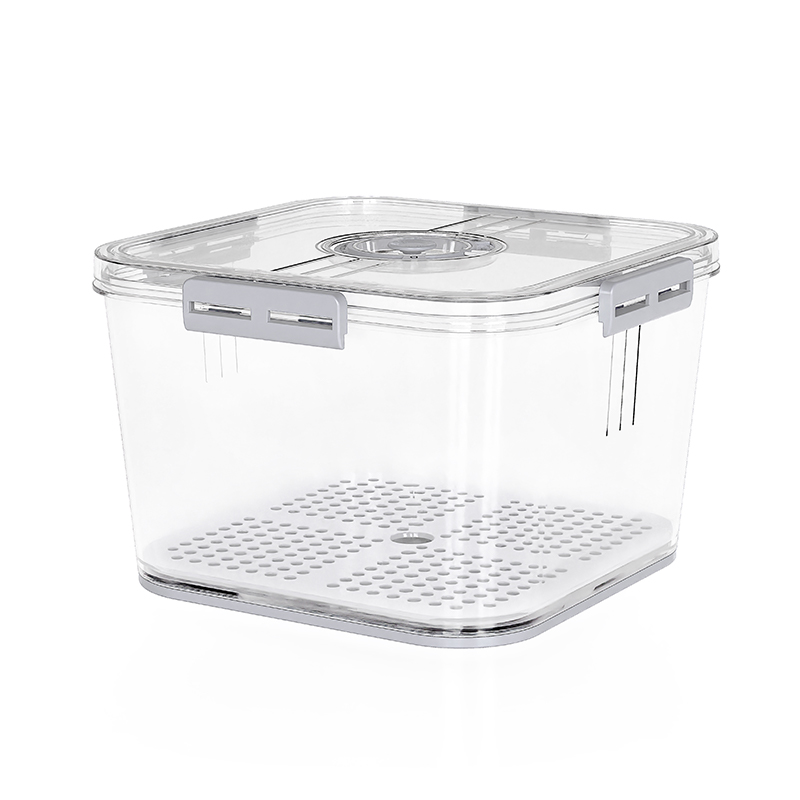
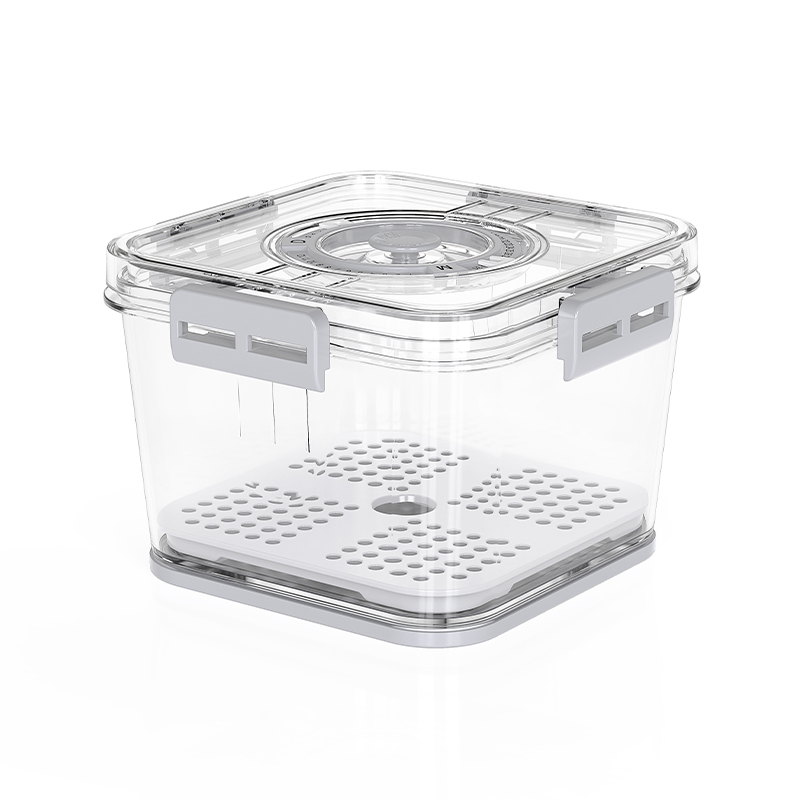
Structural design plays an important role in the durability of home storage products. Reinforced corners, ribbed walls, and interlocking lids enhance stability and prevent deformation under load. Stackable designs allow multiple containers to be arranged without compromising structural integrity. Ergonomic handles and reinforced edges help prevent damage during regular use. Thoughtful design features balance weight distribution, improve load-bearing capacity, and support repeated usage, which collectively extend the useful life of the products.
Many modern plastic storage products are designed to be reusable and modular. Lids are often detachable yet secure, allowing containers to be easily opened and closed multiple times. Modular designs enable users to combine units to create customized storage systems, reducing the need for additional materials. Reusable designs also minimize single-use or disposable plastic, supporting sustainable household practices while maintaining convenience and adaptability for changing storage needs.
Durable storage products must withstand various environmental stresses, including temperature fluctuations, humidity, and UV exposure in certain household settings. Materials and coatings are chosen to resist degradation, discoloration, or brittleness over time. Containers designed for both indoor and outdoor use may include UV stabilizers and reinforced walls to maintain performance even under direct sunlight. This resilience enhances reusability and reduces the frequency of replacement, contributing to waste reduction.
Consistent manufacturing quality ensures that all units of a product perform reliably. Injection molding and thermoforming techniques provide precise control over wall thickness, surface finish, and dimensional accuracy. High-quality production reduces the likelihood of weak spots or defects that can compromise durability. Consistency across batches also ensures that modular or stackable systems fit together correctly, supporting long-term usability.
Reusable home storage products are designed to be easy to clean and maintain. Smooth surfaces, rounded corners, and non-porous materials allow containers to be washed with minimal effort, preventing accumulation of dirt or odor. Products that can be sanitized repeatedly without degradation increase their usable lifespan. The combination of easy maintenance and durable materials enhances the practicality of reusing these products, reducing household plastic waste.
Durable storage containers are designed to support significant weight without deforming. Properly engineered wall thickness, ribbed reinforcement, and interlocking features allow containers to bear heavy items such as books, kitchenware, or tools. This structural robustness enables repeated use under varied loads, ensuring that the products remain functional and reliable over extended periods, which supports sustainable storage practices.
Home plastic storage products are often handled frequently and may be subject to accidental drops or impacts. Materials and designs that provide high impact resistance reduce the risk of cracking or breaking. Rounded edges, reinforced corners, and flexible plastics absorb shock and maintain the integrity of the container. High impact resistance is a critical factor in extending the product’s life and promoting reusability, thereby reducing replacement frequency and waste.
Reusable storage products are designed to accommodate various household storage needs. Adjustable compartments, removable dividers, and modular stacking options allow users to adapt the containers to different items and spaces. The ability to reconfigure storage units prevents the need to purchase multiple specialized containers, minimizing material consumption and supporting a more sustainable approach to household organization.
Longevity is a primary indicator of a reusable storage product’s value. Durable plastics, reinforced designs, and quality manufacturing ensure that products withstand repeated opening, closing, and relocation. Longevity reduces the total number of containers required over time, lowering environmental impact. Products are often tested under repeated use conditions to verify that they maintain structural and functional integrity throughout their service life.
Reusable and durable home storage products contribute to waste reduction by decreasing the reliance on disposable plastics. By choosing materials that can endure repeated use, households reduce the need for frequent replacement. Modular and stackable designs further support resource efficiency by maximizing storage capacity with fewer units. Overall, durability and reusability directly translate into reduced plastic waste and a smaller ecological footprint.
| Design Feature | Contribution to Reusability | Impact on Waste Reduction |
|---|---|---|
| Material Strength | Maintains integrity over repeated use | Reduces replacement frequency |
| Stackable and Modular Design | Supports multiple configurations without additional units | Minimizes need for extra storage containers |
| Impact Resistance | Prevents cracks or breaks from handling | Extends lifespan, reducing plastic waste |
| Easy-to-Clean Surfaces | Allows repeated cleaning without damage | Promotes long-term use, reducing disposable product use |
| Reinforced Structural Features | Supports heavy loads and frequent handling | Reduces early failure, contributing to waste reduction |
Consumers play a role in maximizing the lifespan and reusability of storage products. Proper handling, avoiding overloading, and regular maintenance enhance durability. Selecting products with clear durability specifications and reusable features ensures that households can organize effectively while minimizing environmental impact. Educating users about appropriate care contributes to the overall sustainability of home plastic storage systems.
Manufacturers increasingly emphasize environmentally friendly designs, including recycled plastics, BPA-free materials, and long-lasting construction. Innovations in modularity, collapsible features, and stackable units support both usability and resource efficiency. These trends align with growing consumer demand for products that reduce waste while maintaining functionality and convenience in everyday home organization.
At the end of their service life, durable plastic storage products can be incorporated into recycling or circular economy programs. Materials selected for recyclability allow containers to be processed into new products, further reducing environmental impact. Design for recyclability complements the principles of durability and reusability, ensuring that plastic storage products contribute to a more sustainable lifecycle from production to disposal.


Zhangqi Industrial Park, Cixi City, Ningbo City, Zhejiang Province

