
 Search for...
 English
 Español
 日本語
日本語
 한국어
한국어
 عربى
عربى
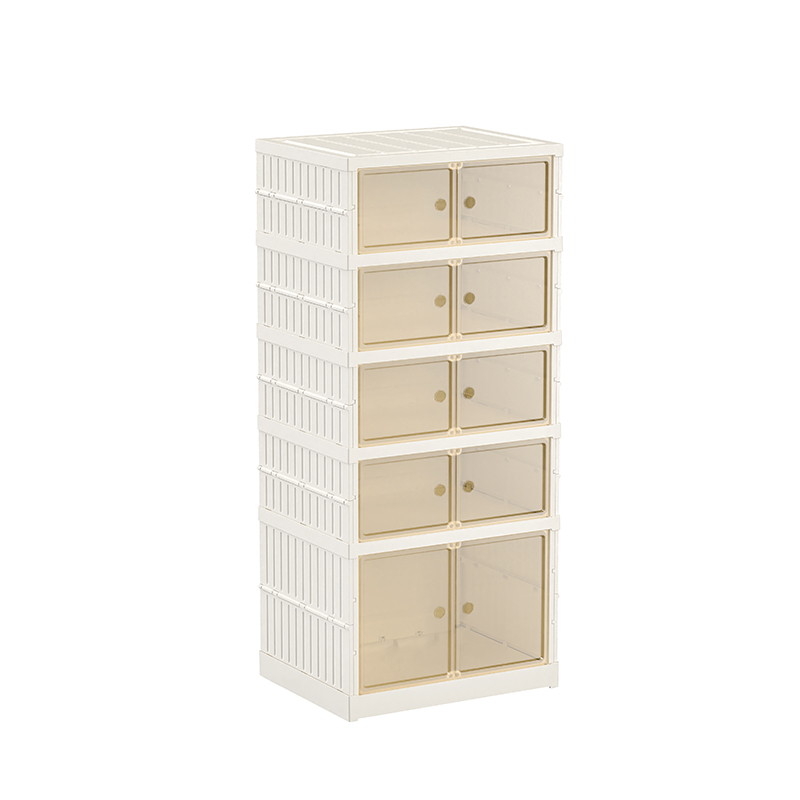
Multi-Purpose 6-Tier Foldable Storage Cabinet

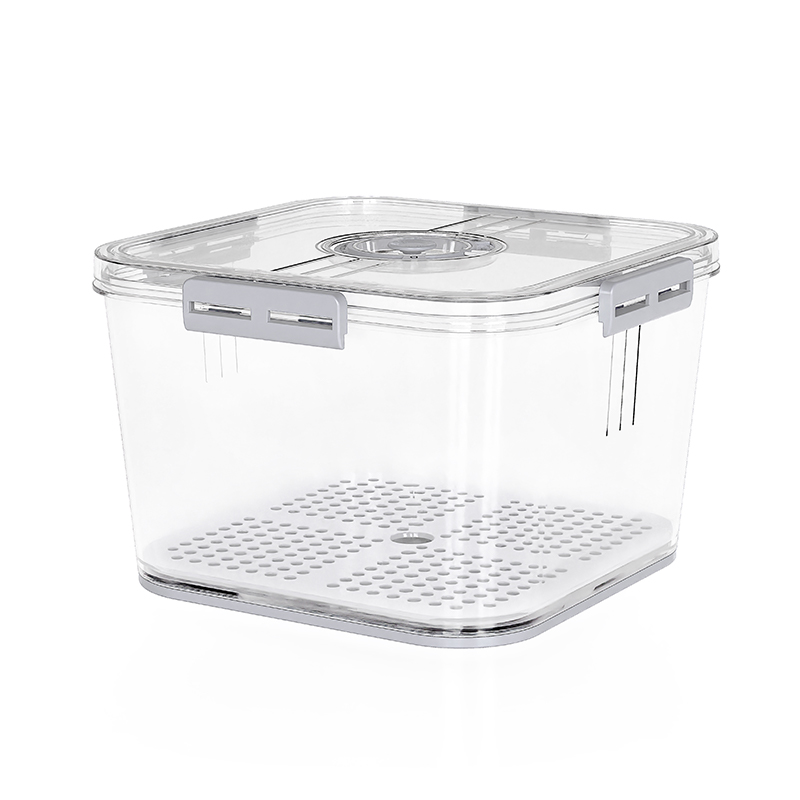
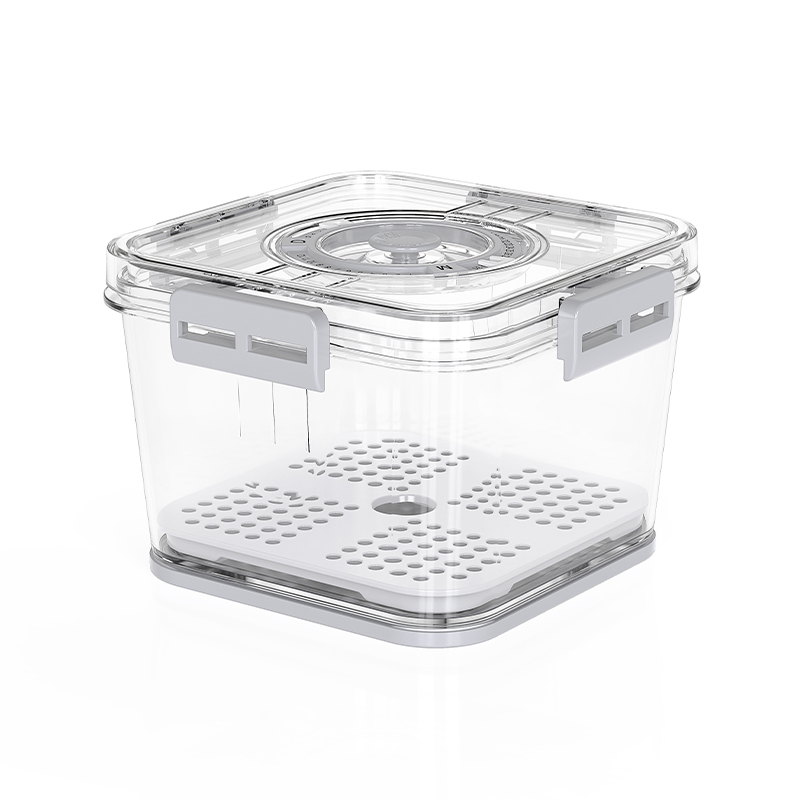
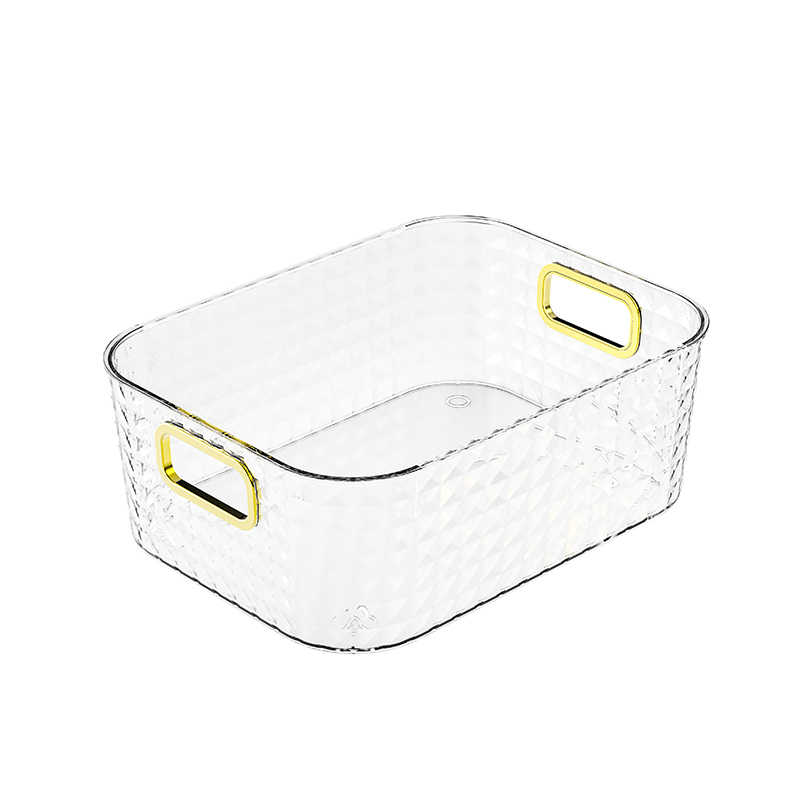
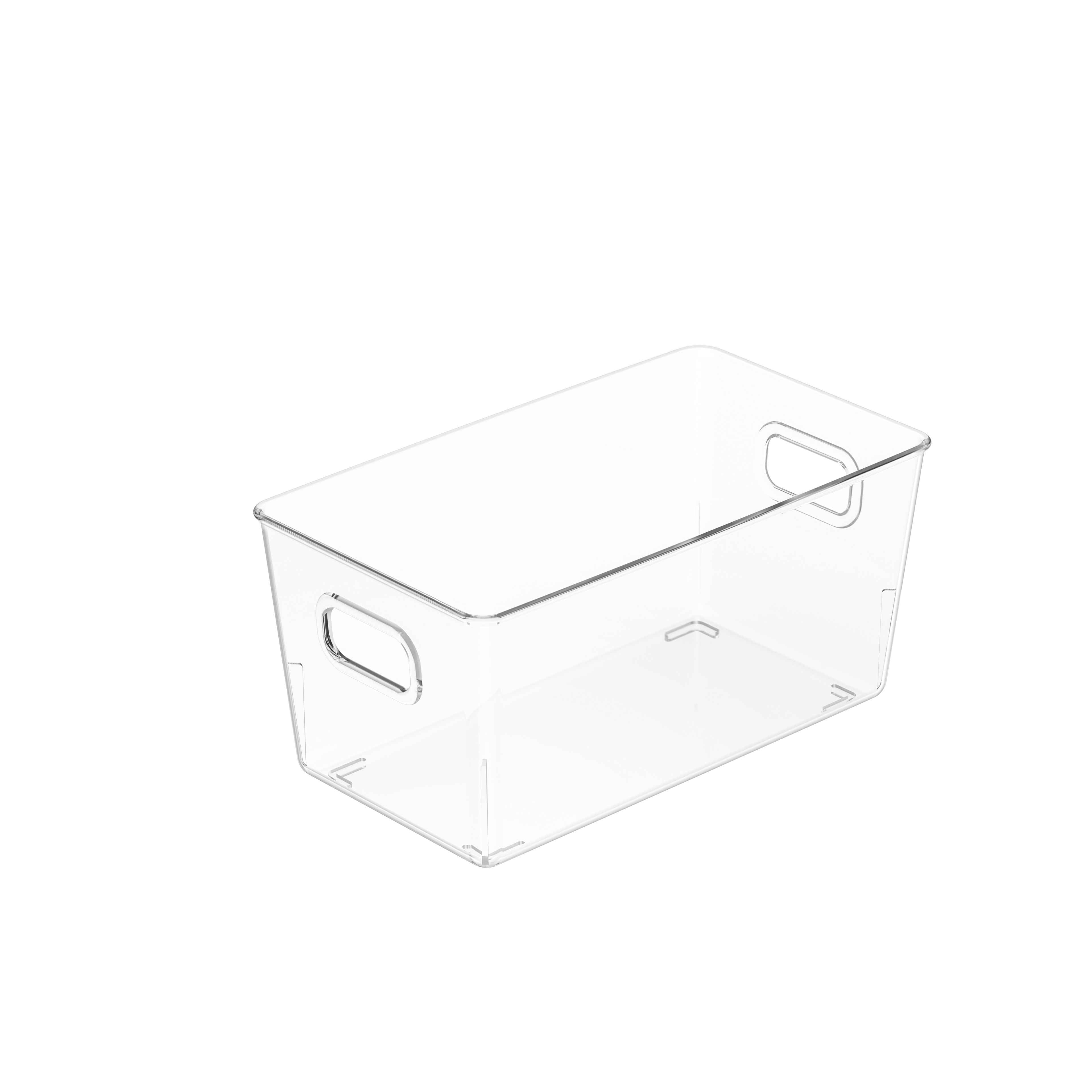
Plastic kitchen storage containers are widely used in both home and commercial kitchens for their lightweight nature, versatility, and convenience. Beyond basic storage, the performance of these containers is often evaluated based on their ability to resist staining from colored foods such as tomato sauce or curry, as well as their capacity to avoid absorbing odors from strong-smelling ingredients like garlic or fish. These characteristics are crucial for maintaining hygiene, aesthetics, and long-term usability of the containers.
The type of plastic used in kitchen storage containers significantly affects their resistance to staining. Polypropylene (PP) and high-density polyethylene (HDPE) are commonly used due to their non-porous surfaces, which limit the absorption of liquids and pigments. Containers made from polyethylene terephthalate (PET) or low-quality plastics may be more susceptible to staining because of micro-porosities in the material where food pigments can accumulate. The density, surface smoothness, and molecular structure of the plastic determine how well it can resist discoloration from repeated contact with strong-colored foods.
Odor absorption occurs when volatile compounds from food interact with the container material and remain trapped even after washing. Plastics with tight polymer structures, such as polypropylene, tend to reduce odor retention, while more porous or low-quality plastics may retain strong food odors over time. Temperature exposure and repeated use can increase the likelihood of odor absorption, as heat can expand the polymer structure temporarily, allowing odor molecules to penetrate more easily. Containers designed for repeated cold and ambient storage are less likely to develop persistent odors if they are made from high-quality, dense plastics.
| Plastic Type | Stain Resistance | Odor Resistance | Heat Tolerance | Common Use Cases |
|---|---|---|---|---|
| Polypropylene (PP) | High | High | Up to 120°C | Food storage, microwave-safe containers |
| High-Density Polyethylene (HDPE) | High | Moderate | Up to 100°C | Bulk storage, cold food storage |
| Polyethylene Terephthalate (PET) | Moderate | Moderate | Up to 80°C | Beverage containers, dry food storage |
| Polycarbonate (PC) | Moderate | High | Up to 130°C | Reusable containers, kitchen organization |
Beyond material composition, the design of kitchen storage containers also contributes to their resistance to staining and odors. Smooth interior surfaces reduce areas where food particles can accumulate, making cleaning easier and limiting the potential for staining. Rounded corners and seamless joints further prevent trapped food residue. Containers with airtight lids minimize air exchange, reducing odor transfer from stored food to the surrounding environment and from external sources into the container.
Proper cleaning practices are essential for maintaining resistance to staining and odor absorption. Washing containers promptly after use prevents pigments and volatile compounds from setting into the plastic. Mild detergents, soft sponges, and the avoidance of abrasive scrubbers reduce surface wear, which could otherwise increase susceptibility to stains and odors. Occasional use of baking soda, vinegar, or specialized plastic-safe cleaning agents can help neutralize lingering odors. Following manufacturer recommendations for dishwasher use or microwave safety ensures the plastic maintains its protective properties over time.
Exposure to extreme temperatures can influence both staining and odor retention. High heat, such as in a microwave or near hot food, may slightly alter the plastic’s surface, increasing the risk of pigments penetrating the material. Freezing can cause micro-cracks in low-quality plastics, which may trap food particles and odors. Containers intended for repeated hot and cold use should be made from plastics with high thermal stability and smooth surfaces, such as polypropylene, to maintain resistance over time.
Plastic kitchen storage containers that are made from dense, non-porous materials, feature smooth interiors, and are cleaned properly generally maintain resistance to staining and odors for years. Over time, repeated exposure to strong-colored foods or pungent ingredients may cause minor changes in appearance or scent, but high-quality containers retain functional performance. Rotating containers and avoiding prolonged storage of strongly colored or odorous foods can further extend their lifespan and reduce the need for replacement.
When selecting plastic containers, it is also important to consider safety and environmental factors. Containers should be BPA-free and comply with food safety regulations to ensure they do not leach harmful chemicals into food. Choosing durable materials reduces the frequency of replacement, which contributes to less plastic waste. Proper recycling or disposal of worn containers ensures minimal environmental impact while maintaining kitchen hygiene and safety standards.


Zhangqi Industrial Park, Cixi City, Ningbo City, Zhejiang Province

