
 Search for...
 English
 Español
 日本語
日本語
 한국어
한국어
 عربى
عربى
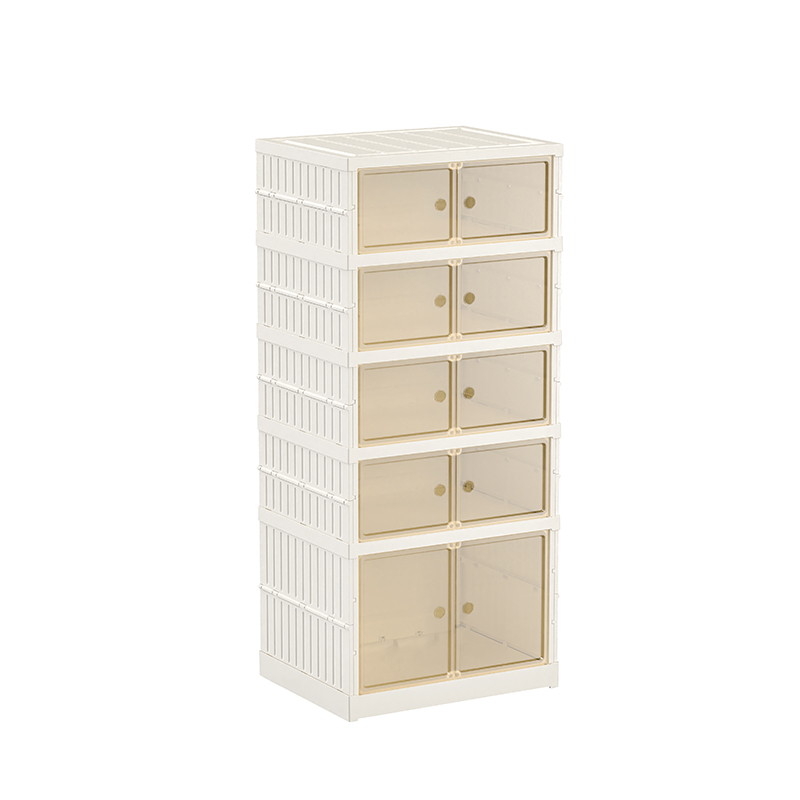
Multi-Purpose 6-Tier Foldable Storage Cabinet

If you’re making kitchen plastic storage products, you’ve probably heard these questions more times than you can count: “Is it safe?” “Will it smell?” “Does it last?” “Why does this one crack after a year?”
This isn’t just consumer nitpicking. Kitchen plastic storage has quietly become one of the most scrutinized product categories in home goods. People use these containers every day, they put food inside them, they heat them, freeze them, stack them, drop them—and they remember when something goes wrong.
For manufacturers, this category isn’t about looking fancy. It’s about solving very practical problems in real kitchens.
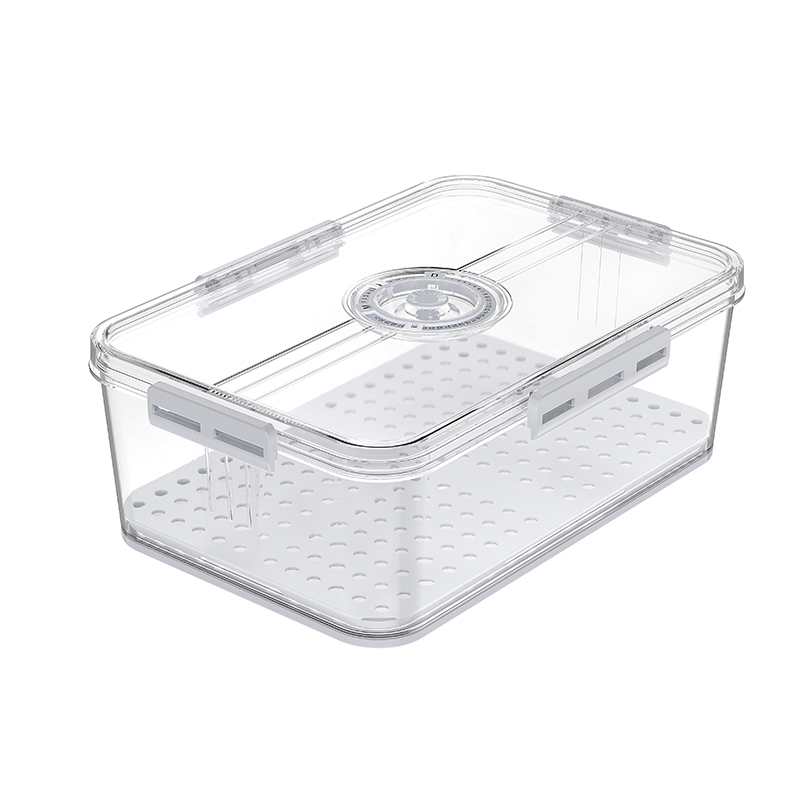
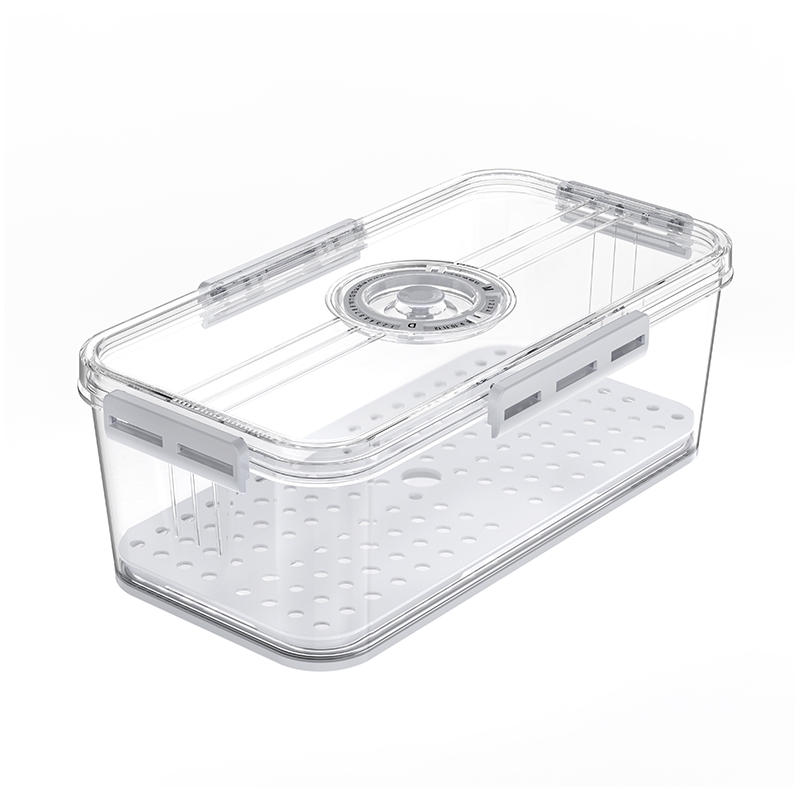
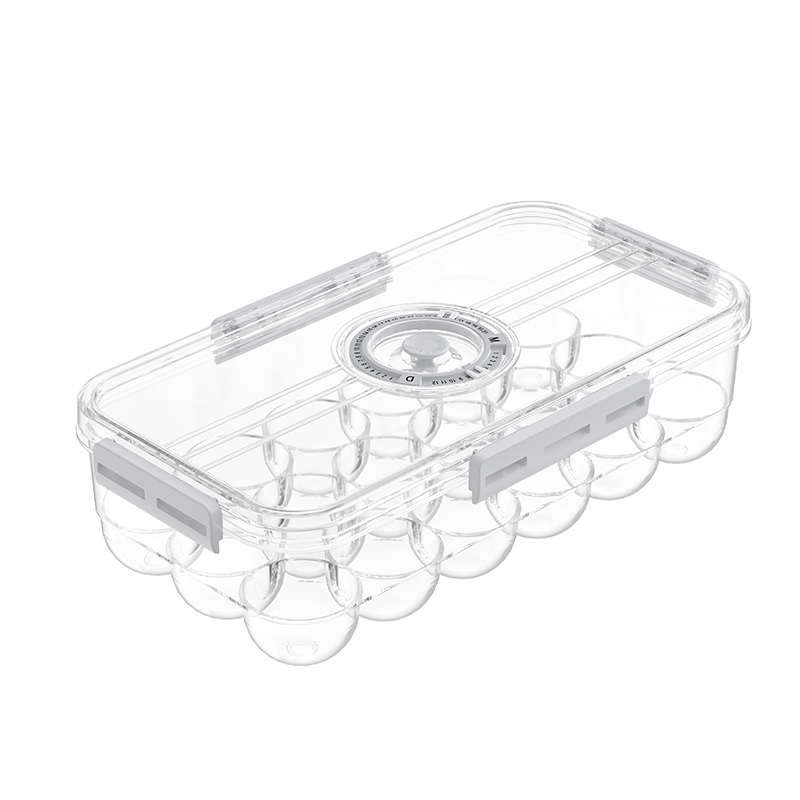
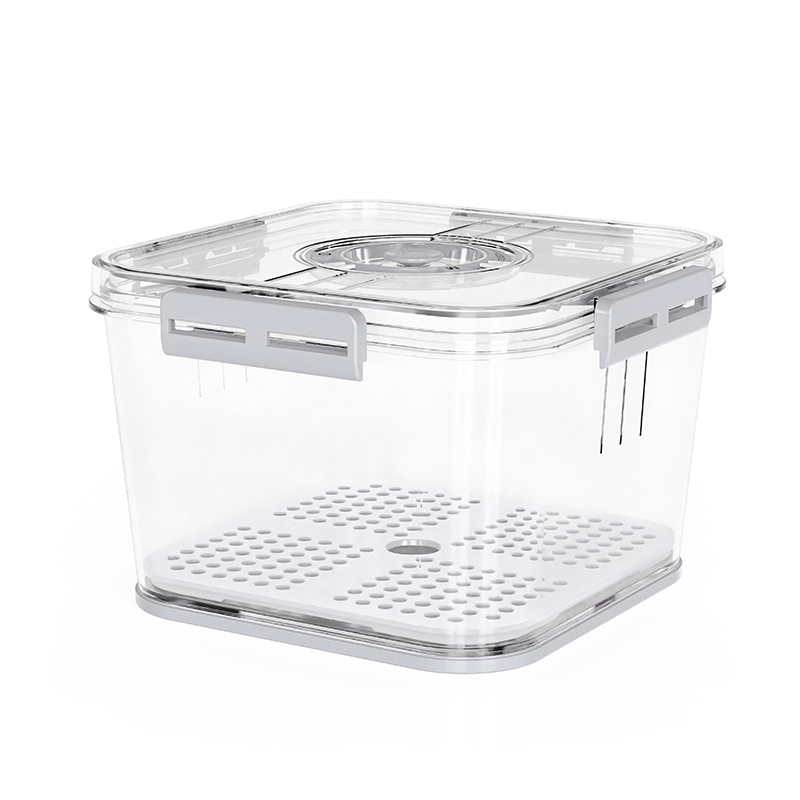
At its core, kitchen plastic storage covers containers, boxes, bins, drawers, and organizers made from plastic materials and designed to store food or kitchen items.
That includes dry food containers, leftover boxes, refrigerator organizers, pantry bins, and sometimes even modular drawer systems. They may look simple, but they sit right at the intersection of food safety, daily convenience, and long-term durability.
Unlike decorative items, these products get handled constantly. If something feels inconvenient, smells odd, or stains easily, users notice immediately.
Because it touches three sensitive areas at once: food, health, and routine.
People trust these products to keep food fresh, avoid contamination, and help them manage busy lives. A bad experience—like a lid that doesn’t seal or plastic that absorbs odors—breaks that trust fast.
From a market perspective, this category also drives repeat purchases. When customers like one container, they often come back for a full set. When they don’t, they switch brands without hesitation.
For manufacturers, getting it right isn’t optional. It’s how brands are built or quietly lost.
The short answer is: all the time.
People use these products in situations like:
This constant use means the products must perform well across temperature changes, repeated washing, stacking pressure, and occasional misuse.
A container that only works under “perfect conditions” doesn’t survive real kitchens.
From the user’s point of view, it’s simple: put food in, close the lid, store it. For manufacturers, there’s much more happening behind the scenes.
Most kitchen plastic storage products are made from PP, PE, PET, or similar food-grade plastics. Each material behaves differently when heated, frozen, or washed.
Choosing the right one affects flexibility, transparency, impact resistance, and odor retention.
Injection molding is the most common process, but wall thickness, corner design, and reinforcement ribs make a big difference.
Too thin, and the container warps or cracks. Too thick, and it feels heavy and cheap at the same time.
Lids are where most complaints come from. A good seal keeps food fresh without requiring excessive force. A bad seal either leaks or frustrates users.
This is why tolerances, material flexibility, and long-term wear testing matter so much.
Glossy surfaces look nice, but they show scratches. Matte finishes hide wear but may stain more easily. Manufacturers must balance appearance with long-term usability.
Despite competition from glass and metal, plastic remains popular for good reasons.
Plastic containers are easy to lift, stack, and carry, even when full.
They offer an affordable solution for families who need multiple containers in different sizes.
Plastic allows for modular systems, stackable designs, and integrated features that are harder to achieve with other materials.
When designed well, plastic containers survive drops and impacts better than glass.
This category comes with its own challenges.
Some foods leave smells or stains that customers find unacceptable. Material choice and surface design play a big role here.
Not all plastics handle microwaves or dishwashers equally well. Misuse often leads to complaints, even when products are used outside recommendations.
Consumers are increasingly aware of plastic waste. Manufacturers must balance performance, recyclability, and sustainability messaging.
This is a competitive market. Small cost differences matter, but cutting corners often leads to higher return rates.
This is where experience separates reliable suppliers from short-term players.
Many complaints come from misuse. Clear labeling about microwave, freezer, and dishwasher safety helps manage expectations.
Customers notice when replacement containers don’t fit older lids. Dimensional consistency builds long-term trust.
Lab tests matter, but so do real kitchen simulations. Repeated washing, stacking, and temperature cycling reveal issues early.
Containers should stack efficiently in cabinets and refrigerators, not just look good on a shelf.
The market is moving toward smarter designs rather than dramatic changes.
Manufacturers are focusing on:
The winners will be the ones who understand how people actually use these products, not how they’re supposed to use them.
Kitchen plastic storage isn’t exciting on the surface, but it’s one of the most honest product categories out there. It gets judged every single day.
For manufacturers, success comes from paying attention to small details that affect daily life. When containers quietly do their job—no leaks, no smells, no frustration—that’s when customers come back.
In this market, solving real problems beats flashy features every time.


Zhangqi Industrial Park, Cixi City, Ningbo City, Zhejiang Province

