
 Search for...
 English
 Español
 日本語
日本語
 한국어
한국어
 عربى
عربى
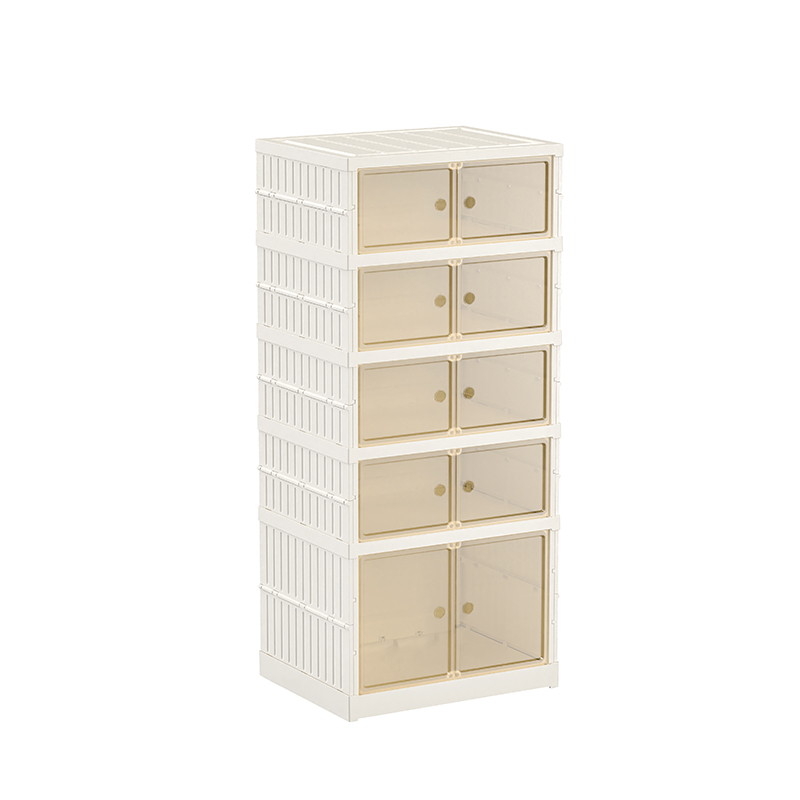
Multi-Purpose 6-Tier Foldable Storage Cabinet

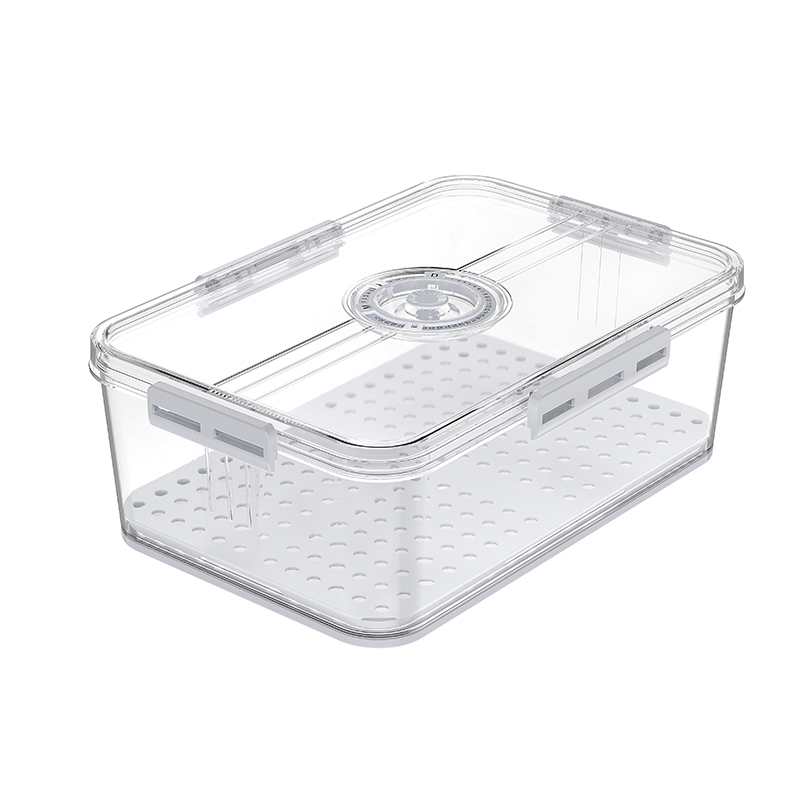
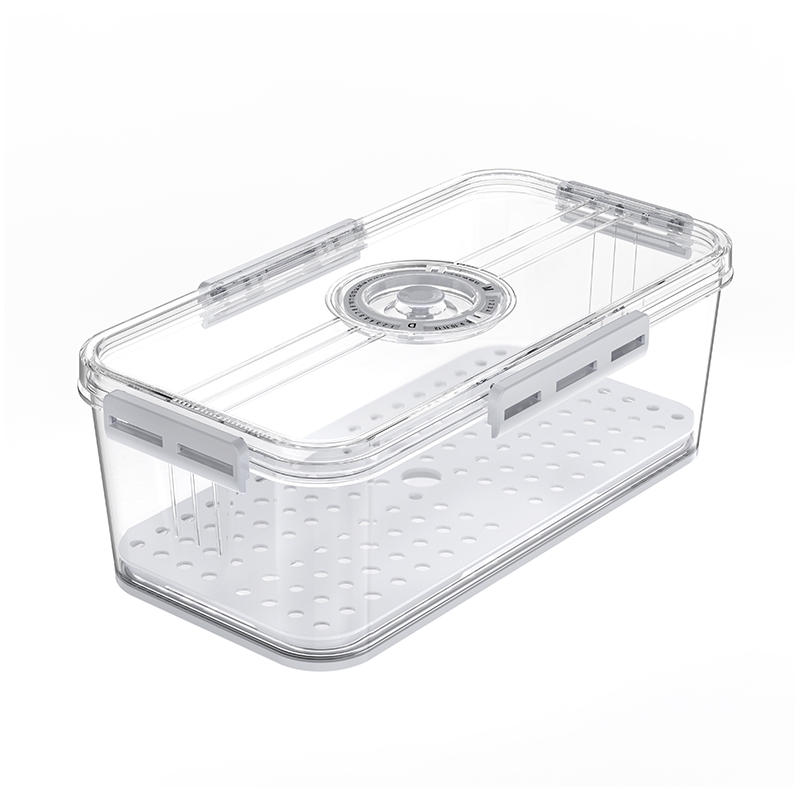
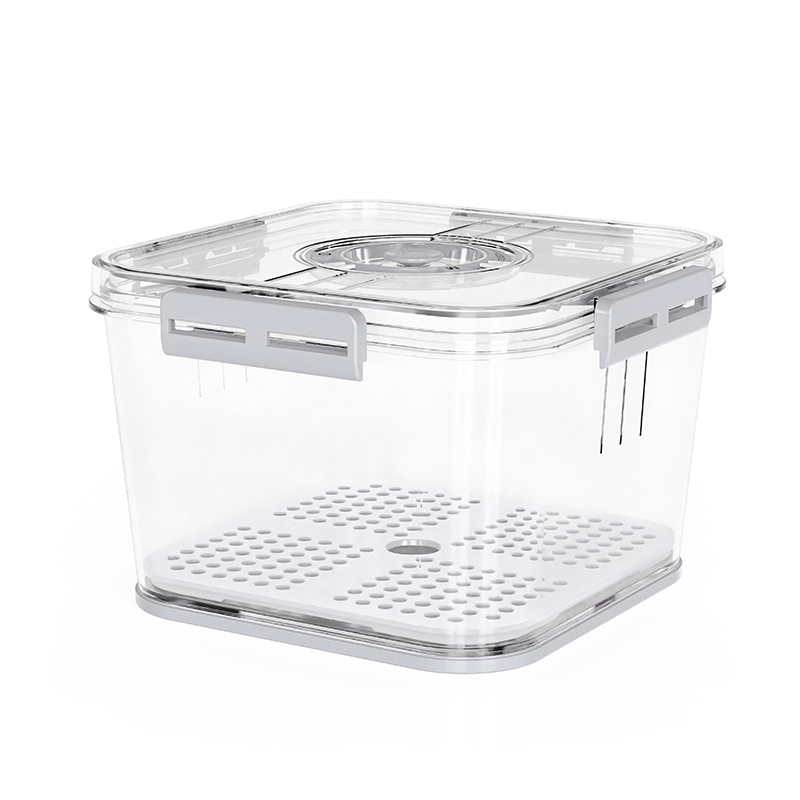
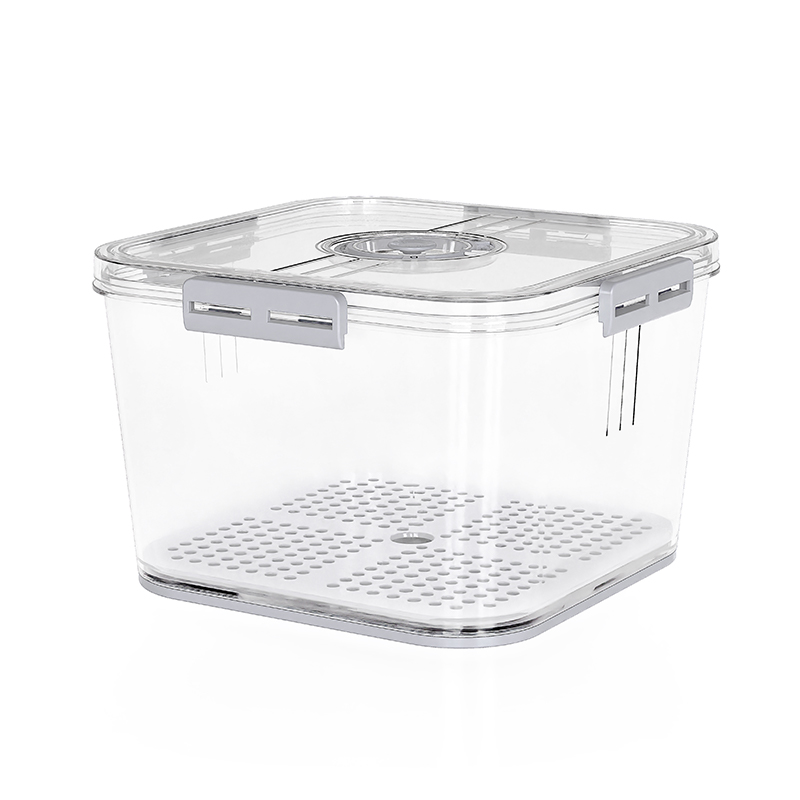
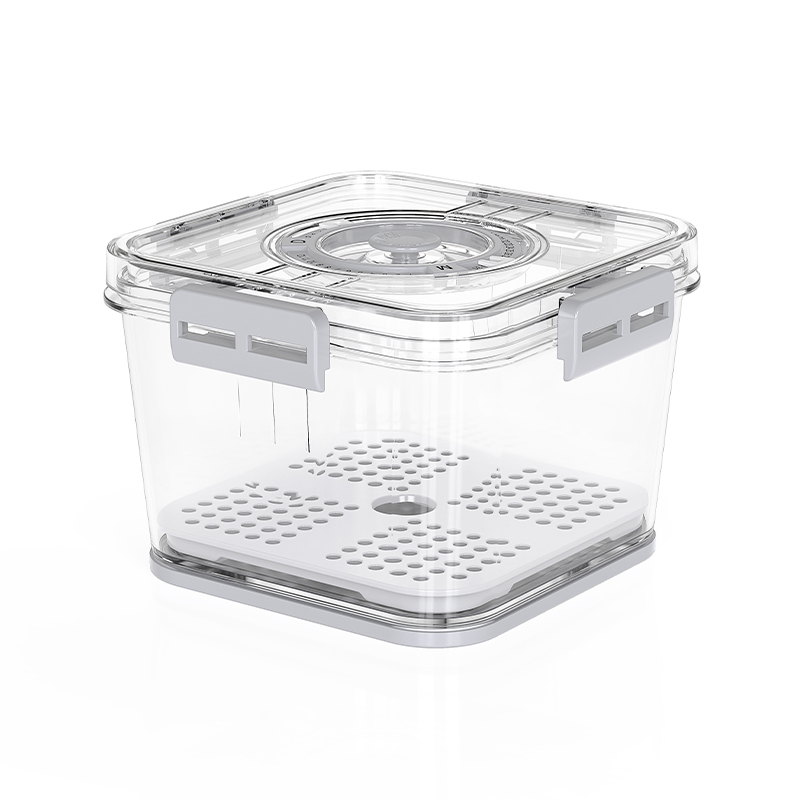
Home plastic storage containers vary widely in their design and functional features. One key aspect to consider is ventilation. Ventilation holes allow air to circulate inside the storage container, reducing the risk of moisture accumulation and mildew formation. Some plastic storage products are designed with multiple small ventilation holes on the sides or lid, promoting airflow without compromising structural integrity. These ventilation features are particularly important for storing items such as clothing, shoes, and food-related supplies where stagnant air could lead to odors or degradation of the items. Manufacturers often balance the size and number of ventilation openings to maintain airflow while preventing the entry of dust or insects.
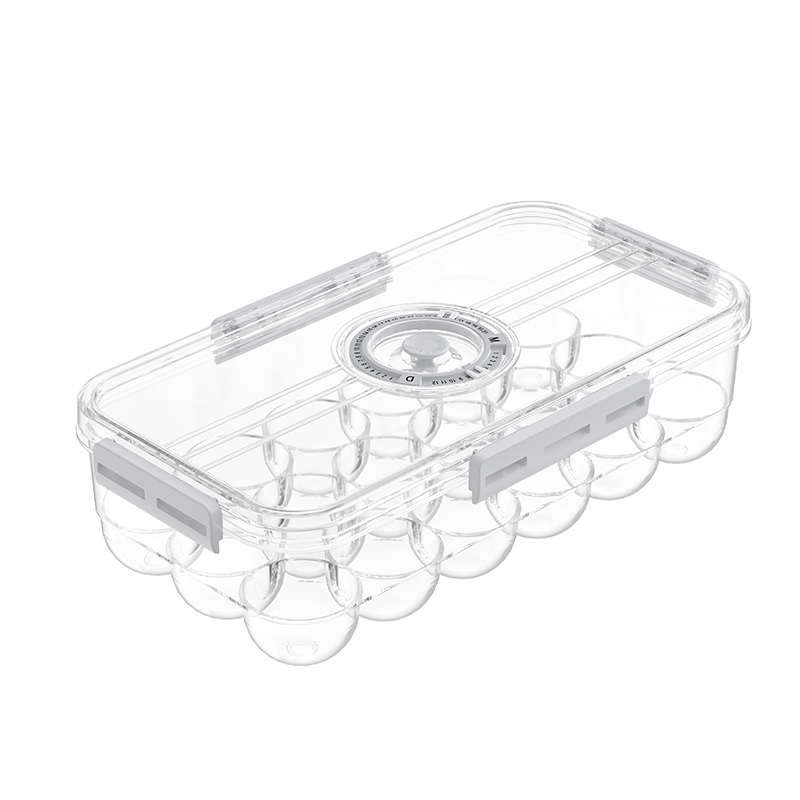
Dust accumulation can be a common problem in home storage, especially in environments prone to dust or pet dander. Many modern plastic storage containers incorporate dustproof designs such as tightly sealed lids, snap-on closures, or silicone gaskets that prevent particles from entering the container. These features help keep stored items clean over extended periods. The effectiveness of dustproofing often depends on the fit between the lid and the container walls, as well as the material quality of the plastic. Containers with thicker walls and precision molding tend to offer better resistance to dust infiltration. Additionally, some products include raised edges or recessed lids to reduce gaps that could allow dust to enter.
Moisture can significantly affect the condition of stored items, causing warping, mold growth, or odor. To address this, many plastic storage solutions include moisture-proof features. These may consist of tight-sealing lids, water-resistant plastics, or additional liners that create a barrier against external moisture. Containers with built-in ventilation holes can also help manage moisture by allowing some airflow, reducing condensation within the container. For environments with high humidity, selecting plastic storage with water-resistant seals or using desiccant packets inside the container can enhance protection for sensitive items. Proper moisture management is essential for maintaining the integrity of fabrics, paper, and other materials prone to absorbing water.
| Feature | Function | Applications |
|---|---|---|
| Ventilation Holes | Promotes airflow to reduce moisture accumulation and odors | Clothing, shoes, food containers |
| Dustproof Design | Prevents dust and small particles from entering storage | Electronics, books, household items |
| Moisture-Proof Function | Protects items from humidity and condensation damage | Textiles, paper products, important documents |
The type of plastic used in storage containers plays a significant role in the effectiveness of ventilation, dustproofing, and moisture resistance. Common plastics such as polypropylene and high-density polyethylene offer durability and resistance to warping or cracking. Molded lids and precise manufacturing ensure a snug fit, which is critical for dust and moisture protection. Some containers feature reinforced edges or interlocking components that increase the seal tightness, making them more resistant to environmental factors. Quality control during production ensures consistent performance across multiple units, which is important for consumers relying on the containers for long-term storage.
The design of plastic storage containers influences how well they can meet diverse storage needs. Containers with adjustable ventilation, removable inserts, or modular stacking capabilities can offer additional flexibility. For example, some products allow users to partially open ventilation holes for items that require more airflow, while sealing other sections for dust-sensitive items. Similarly, moisture-resistant lids can be used in areas prone to dampness, such as basements or kitchens. The combination of these features allows homeowners to customize storage according to the specific requirements of the stored items, improving usability and protecting contents over time.
When selecting plastic storage containers, homeowners should evaluate their environment and the types of items to be stored. Items that are prone to moisture damage, such as textiles, photographs, or documents, benefit from containers with moisture-proof seals. For areas where dust accumulation is frequent, containers with tight-fitting lids or dustproof gaskets can maintain cleanliness. Ventilation becomes essential when storing items that emit odors or need airflow to remain fresh, such as shoes or produce. By considering these factors, homeowners can choose storage solutions that provide the right balance of ventilation, dust protection, and moisture resistance.
| Item Type | Recommended Features |
|---|---|
| Clothing and Shoes | Ventilation holes to prevent odor buildup, dustproof lids for cleanliness |
| Documents and Paper | Moisture-proof lids to prevent humidity damage, dustproof design |
| Electronics | Dustproof design to prevent particle intrusion, secure closure |
| Kitchen Supplies | Moisture-proof and dustproof lids, optional ventilation for certain items |
| Seasonal Decorations | Dustproof design, optional moisture-proofing in humid areas |
Even with ventilation, dustproof, and moisture-proof features, proper maintenance ensures long-term effectiveness. Regularly cleaning the interior and exterior of the containers prevents dust buildup, while checking seals and gaskets maintains moisture protection. For items stored over extended periods, rotating contents and occasionally airing out containers can help prevent mold or odor development. Additionally, placing desiccant packets inside containers can provide extra moisture control, especially in areas with high humidity. Proper handling and storage practices complement the built-in features of plastic containers, maximizing their protective functions.
Many modern home plastic storage containers combine ventilation, dustproofing, and moisture-proofing in a single product. By integrating these features, manufacturers provide more versatile solutions that cater to a wider range of storage requirements. Users can benefit from improved airflow, reduced dust intrusion, and moisture protection simultaneously. The design often includes stackable lids, interlocking components, and modular shapes to enhance usability and maximize space efficiency. Such comprehensive designs help maintain the condition of stored items over time, offering practical benefits for various household storage scenarios.


Zhangqi Industrial Park, Cixi City, Ningbo City, Zhejiang Province

