
 Search for...
 English
 Español
 日本語
日本語
 한국어
한국어
 عربى
عربى
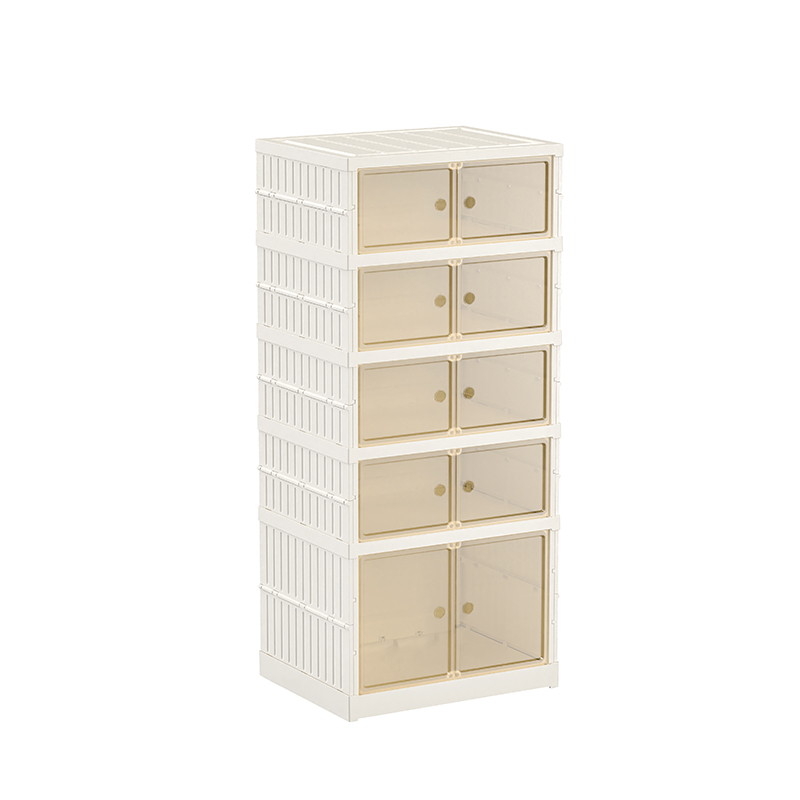
Multi-Purpose 6-Tier Foldable Storage Cabinet

The ability of home plastic storage systems to resist impact and withstand repeated opening and stacking is closely related to the materials used in their construction. Most household storage containers are produced using polymers such as polypropylene, polyethylene, or blends formulated to enhance rigidity and stability. These materials are selected because they maintain balanced flexibility and hardness, allowing them to absorb pressure without deforming excessively. The structural integrity of the storage walls is influenced by the thickness of the plastic, the formulation of additives, and the uniformity achieved during molding. Properly processed materials contribute to stable resistance against bumps or drops that occur in daily household use. The inherent properties of these polymers allow the containers to return to shape after minor stress, supporting long-term usability even when subjected to frequent handling.
The structural design of home plastic storage systems plays an essential role in determining how well they cope with impact forces. Many containers use reinforced corners, curved surfaces, and cross-sectional ribbing to distribute pressure more evenly when the container experiences external force. These design elements reduce the concentration of stress at weak points, which helps the container maintain its shape. The integration of well-designed lids also contributes to stability, since some lids lock onto the container body to support structural strength. When the lid and body interact effectively, the storage system becomes more stable during carrying or stacking. The combination of thoughtful geometry and material selection allows the storage container to maintain its usability even when exposed to occasional force impacts common in household environments.
Repeated opening and closing can affect the hinge or latch components of home plastic storage systems. These parts often experience concentrated friction and mechanical movement, especially in designs with snap-on lids or built-in hinges. Over time, this movement may gradually influence the precision of the locking mechanism or flexibility of hinge materials. Manufacturers often reinforce these areas using thicker plastic, flexible polymer blends, or additional shaping to manage repetitive stress. Consistent interaction between the lid and container body illustrates how small mechanical movements contribute to the product’s overall aging pattern. Proper design and stable material selection help ensure that the lid maintains its ability to seal and open smoothly even after extended use.
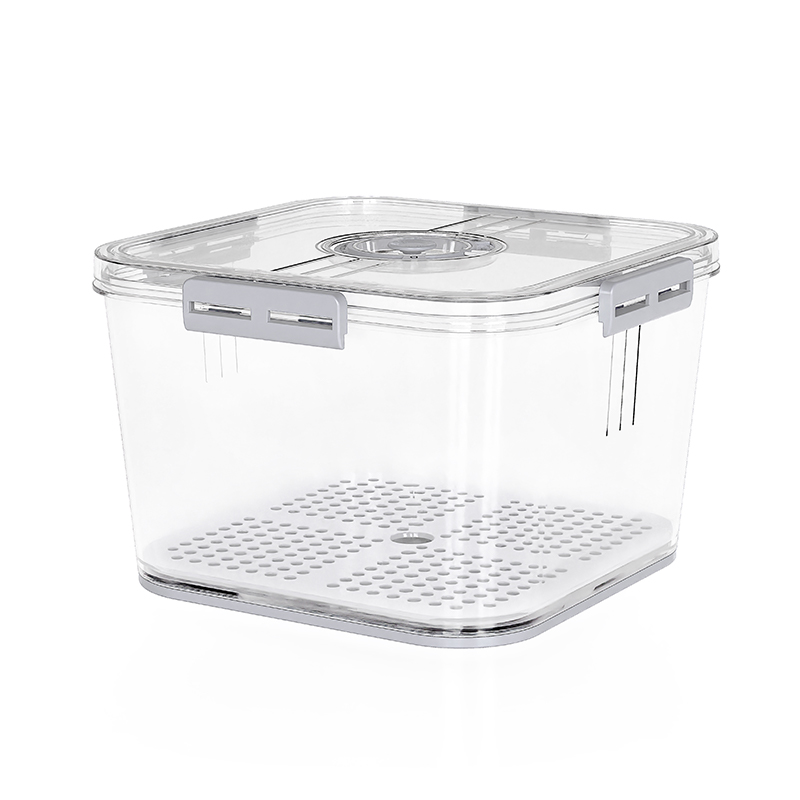
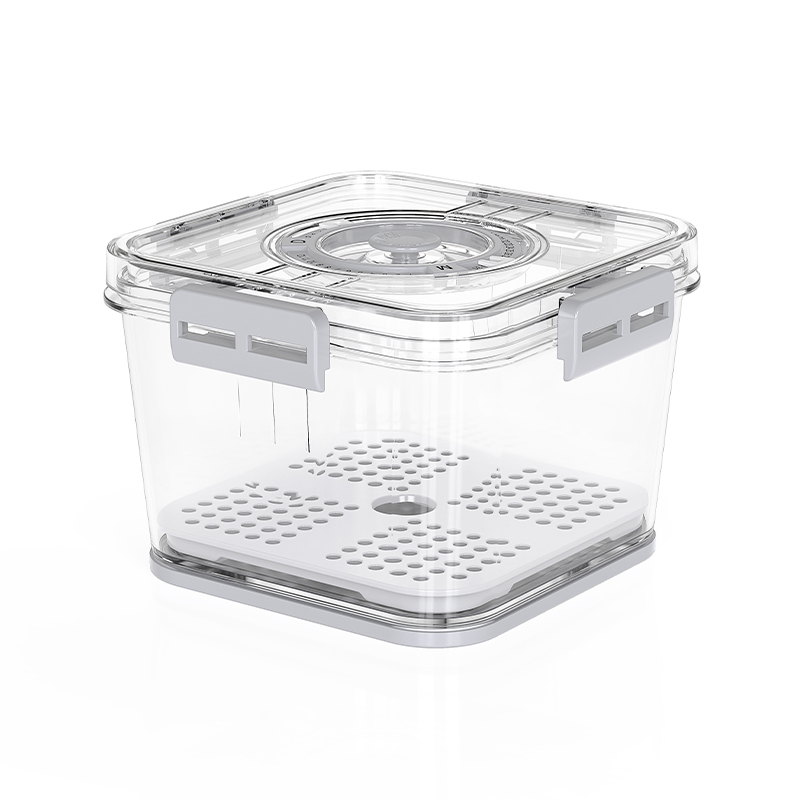
Stacking capability is an important function for home plastic storage systems, especially in environments such as closets, garages, or pantries where space efficiency is essential. The stacking strength depends on the load distribution supported by the lid and the base. In many storage designs, the lid incorporates raised or recessed patterns that lock into the base of another container. This alignment resists lateral sliding and helps distribute vertical load. The weight from upper containers must be transferred consistently across the lower container’s walls to avoid deformation. The structural interplay between lid support and wall thickness determines how well the storage system withstands long-term stacking. When these elements are designed harmoniously, the containers can manage repeated stacking cycles without significant decline in shape stability.
Environmental exposure influences the long-term durability of home plastic storage containers. Temperature fluctuations may affect polymer flexibility, while sunlight exposure can gradually change surface properties. Moisture and dust do not typically affect stable polymers directly, but extended exposure may influence surface texture or cleanliness. Containers used in garages, sheds, or uncooled areas may be subjected to seasonal temperature variations that gradually impact their mechanical characteristics. Manufacturers often use UV-stabilizing additives or thicker-walled structural zones to reduce potential aging effects. The relationship between environmental conditions and material performance illustrates how external factors shape the long-term resistance and usability of storage systems over time.
Manufacturing precision significantly affects how well home plastic storage systems withstand impact and repeated usage. During the molding process, maintaining stable temperature control and proper pressure distribution ensures uniform wall thickness, which directly contributes to the container’s strength. Variations in molding consistency may create thin regions that weaken impact resistance. Quality control procedures such as dimensional checks, stress testing, and surface inspection help ensure that storage systems maintain structural reliability. Consistent production standards reduce the likelihood of weak points and support predictable long-term performance across different applications. When manufacturing processes are optimized, the storage systems are better equipped to withstand both mechanical impact and repeated handling.
The interaction between lids and container bodies influences how well the home plastic storage system handles repeated opening and closing cycles. The contact points between the lid edges and container rims experience ongoing stress. Some designs incorporate flexible sealing edges, while others rely on rigid snaps or locking structures. Each approach responds differently to long-term friction. Flexible edges may gradually lose elasticity, while rigid structures may experience minor surface wear. Manufacturers typically account for these conditions by balancing material hardness and flexibility. Properly engineered contact surfaces enhance the container’s ability to remain functional without cracking or loosening, even when used frequently.
Various testing methods help evaluate whether home plastic storage systems can withstand impact and repeated use. Drop tests simulate scenarios where containers may be accidentally dropped, measuring their ability to maintain shape. Compression tests evaluate stacking resistance by applying vertical loads to the lid. Repeated opening tests assess hinge endurance and latch stability. Temperature cycling tests expose containers to controlled fluctuations to examine how materials respond to environmental shifts. These evaluations support product improvement by identifying areas needing reinforcement. The insights gathered help manufacturers develop storage systems that maintain consistent performance under everyday household conditions.
| Test Type | Purpose | Observed Impact on Design |
|---|---|---|
| Drop test | Evaluates resistance to impact and deformation | Improved corner reinforcement |
| Compression test | Assesses stacking capability | Enhanced lid rigidity |
| Repeated opening test | Measures hinge and latch endurance | Adjustments to hinge thickness |
| Temperature cycling | Assesses environmental stability | Revised material formulations |
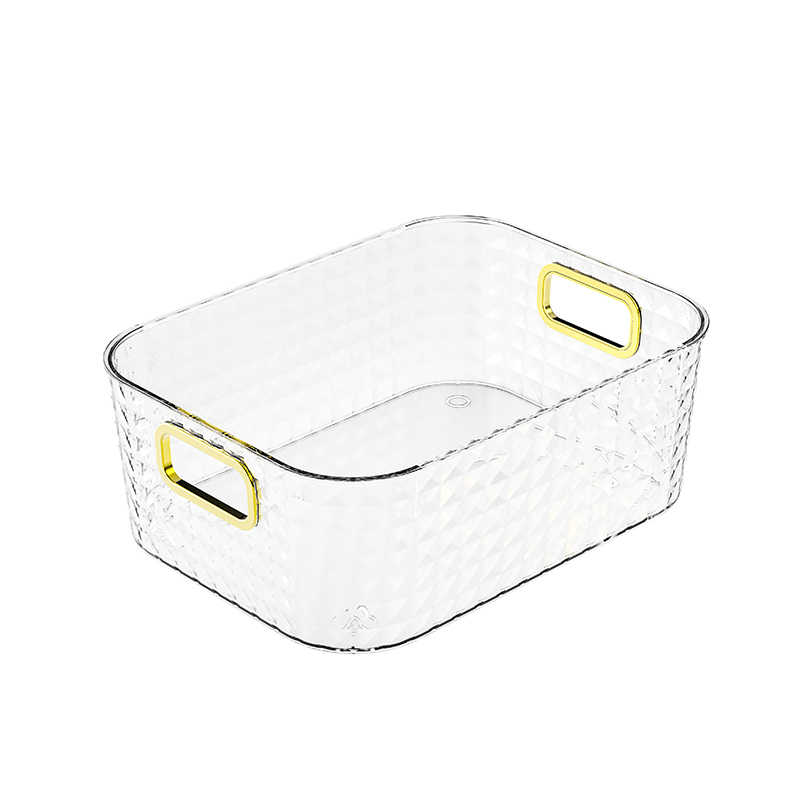
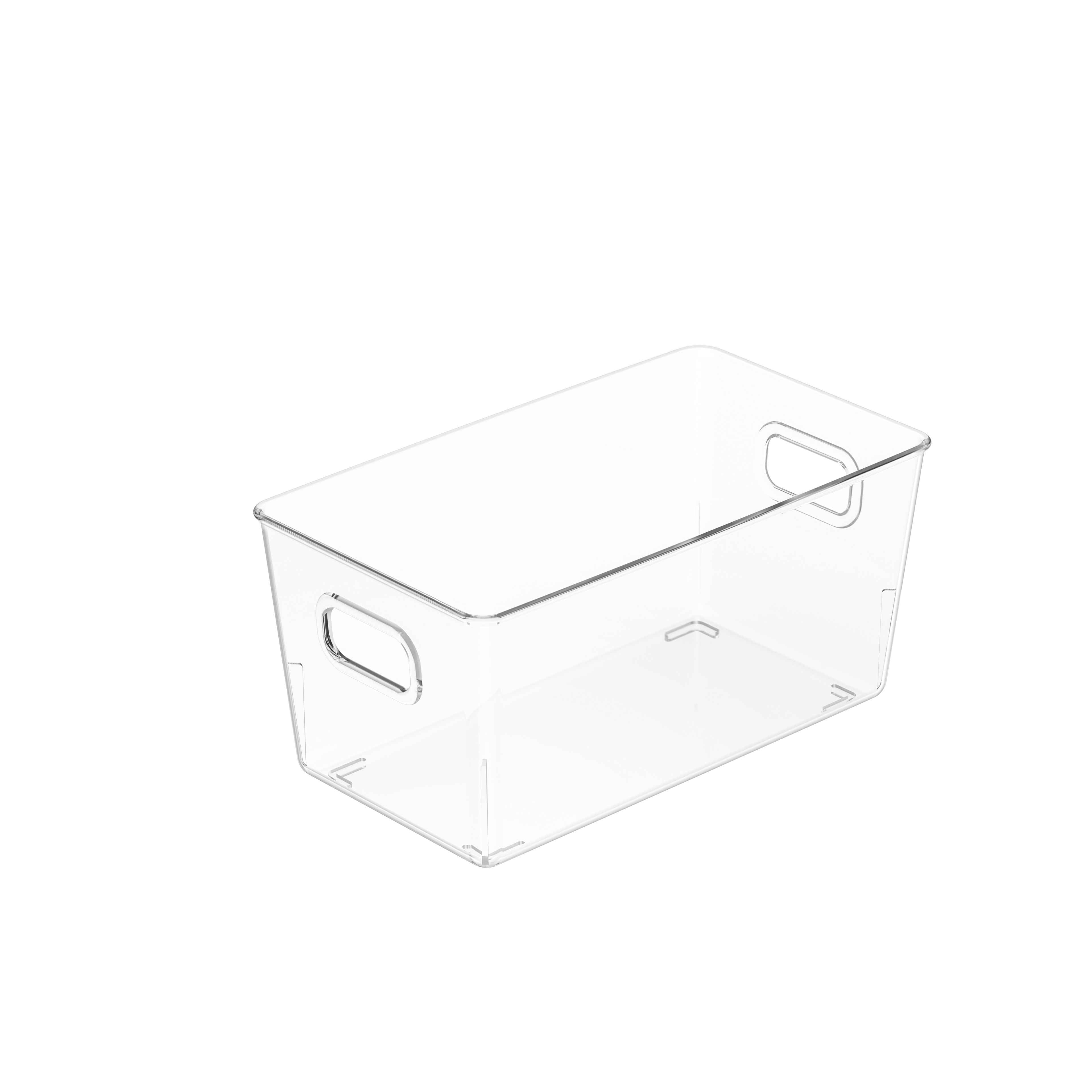
The shape of home plastic storage containers contributes significantly to impact resistance and stacking endurance. Rectangular containers with slightly curved corners distribute force more effectively than designs with sharp edges. Taller containers require additional wall reinforcement to ensure vertical stability. Low-profile containers may manage heavy stacking loads with less deformation due to broader surface distribution. The geometric configuration of the container interacts with the material properties to create a balanced structural system. This structural balance affects how the container responds to external force and repetitive handling throughout its service life.
Some home plastic storage collections are designed to be compatible across varying sizes and models, allowing users to stack containers of different dimensions together. This compatibility depends on lid geometry, edge alignment, and base design. When lids and bases share similar structural features, stacking becomes more stable and uniform. However, variations in manufacturing tolerances across models may influence overall stacking performance. Manufacturers often develop clear design guidelines to maintain dimensional compatibility across product lines. This compatibility supports practical household organization, enabling users to arrange containers according to space requirements without sacrificing stability.
Although home plastic storage systems are generally low-maintenance, certain practices can extend their long-term usability. Avoiding excessive exposure to direct sunlight, cleaning surfaces regularly, and storing them in moderate environments contribute to stable performance. Users may also inspect lids and hinges periodically to ensure proper function. These simple steps help preserve the material condition and minimize stress accumulation. Proper handling, such as avoiding overload conditions and distributing weight evenly during stacking, supports slow and predictable aging of the storage system. Routine awareness of these factors enhances durability and ensures containers remain functional across extended periods of use.
Different polymers used in home plastic storage systems offer varying levels of impact resistance and durability. Polypropylene often supports flexibility and moderate rigidity, making it suitable for general household use. High-density polyethylene may offer stronger resistance to deformation during stacking. Composite materials or reinforced blends can provide increased structural stability for heavy-duty applications. The selection of polymer type depends on the intended function of the storage container. When chosen appropriately, each material supports predictable performance and contributes to reducing potential weakening during long-term operation. The relationship between material type and expected usage pattern informs both product development and consumer selection.
| Material | Impact Resistance | Stacking Endurance |
|---|---|---|
| Polypropylene | Moderate | Moderate to high |
| High-density polyethylene | High | High |
| Reinforced polymer blends | Higher resistance | High |
The impact resistance and long-term stacking capability of home plastic storage systems depend on material selection, structural design, manufacturing quality, environmental conditions, and user handling. These elements interact to form a balanced system capable of enduring regular household use. While natural material aging occurs over time, thoughtful engineering and maintenance support stable performance. By considering both functional requirements and long-term durability factors, manufacturers continue to refine their designs to support reliable household storage solutions.


Zhangqi Industrial Park, Cixi City, Ningbo City, Zhejiang Province

