
 Search for...
 English
 Español
 日本語
日本語
 한국어
한국어
 عربى
عربى
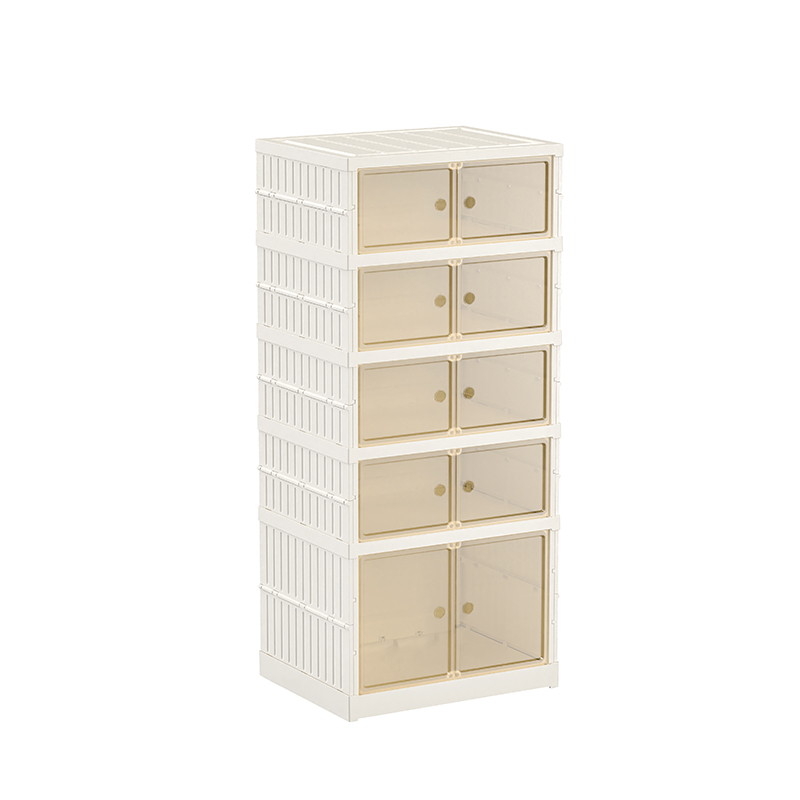
Multi-Purpose 6-Tier Foldable Storage Cabinet

Managing multiple commercial refrigeration units requires precise timing intervals to prevent simultaneous defrost cycles, avoid power surges, and reduce energy consumption. A stackable fridge timer control box solves this operational challenge by consolidating individual unit schedules into a unified, modular system that saves physical space while optimizing compressor runtime. By isolating the electrical loads and sequencing the operational cycles of separate cooling chambers, facilities can achieve a 15% to 22% reduction in peak energy demand while drastically minimizing equipment wear.
Unlike traditional, bulky external timers that require complex parallel wiring and extensive wall space, stackable control boxes feature a interlocking mechanical design. This modular architecture allows technicians to snap multiple control modules together vertically or horizontally, utilizing a shared power backplane or a clean, bus-bar connection. This setup provides localized control for complex setups like walk-in freezers, reach-in coolers, and display cases, ensuring that food safety parameters are met without overloading the facility's main electrical panel.
To appreciate the utility of a modular control box, it is essential to look at the underlying electrical engineering. When multiple compressors kick on at the exact same moment, the inrush current can spike up to six times the normal running amperage. A stacked timer array systematically staggers these start times. For example, a three-tier control box can be programmed to enforce a mandatory 90-second delay between the activation of Compressor A, Compressor B, and Compressor C.
Commercial refrigerators must regularly undergo defrost cycles to melt accumulated frost on the evaporator coils. If three freezers on a single circuit enter a defrost cycle simultaneously, the collective draw of their electric defrost heaters can easily trip a circuit breaker. Stackable timer control boxes communicate with adjacent stacked units to ensure that only one zone undergoes defrosting at any given time, maintaining stable ambient temperatures across neighboring storage zones.
Modern commercial kitchens and storage facilities operate under strict spatial constraints. Standard individual control boxes require separate conduits, individual mounting brackets, and massive termination enclosures. Stackable systems utilize standardized 35mm DIN rail mounting systems inside a compact, IP65-rated waterproof enclosure. By stacking the internal timer blocks tightly together, the physical footprint of the control infrastructure is reduced by up to 65% compared to traditional standalone layouts.
Deploying a centralized, stackable timing system yields measurable improvements in utility expenditures, equipment longevity, and maintenance overhead. Facility managers supervising commercial kitchens, cold-storage warehouses, or pharmaceutical dispensaries experience distinct financial and operational advantages when migrating away from fragmented, independent timing mechanical switches.
To illustrate the practical impact of implementing a stackable fridge timer control box framework, consider the performance metrics collected from a standard commercial kitchen housing four separate refrigeration units (two reach-in coolers, one prep table, and one walk-in freezer). The data below compares standard independent operation against a sequenced, stacked control box deployment over a 30-day testing window.
| Performance Metric | Independent Unsequenced Timers | Stackable Timer Control Box | Net Improvement (%) |
|---|---|---|---|
| Peak Inrush Current (Amps) | 78.4 A | 24.2 A | 69.1% Reduction |
| Monthly Defrost Energy Consumption | 412 kWh | 334 kWh | 18.9% Efficiency Gain |
| Compressor Short-Cycle Events | 14 instances / month | 0 instances / month | 100% Elimination |
| Control Panel Spatial Requirements | 4200 sq. cm | 1350 sq. cm | 67.8% Space Saved |
| Average Temperature Deviation | +/- 2.4°C | +/- 0.6°C | 75% Higher Stability |
As demonstrated by the empirical data, the primary advantage lies not just in power reduction, but in the total stabilization of the micro-grid environment within the facility. By clipping the extreme amp draws during initial startups, internal wiring runs cooler, reducing the risk of localized thermal degradation in terminal blocks and circuit breakers.
Integrating a stackable timer control box array into an existing or newly drafted commercial refrigeration layout requires a systematic approach to electrical safety and control programming. The following breakdown highlights the sequence necessary for establishing a secure, scalable connection.
When sourcing stackable timer control architectures for industrial or commercial projects, procurement officers must look beyond simple aesthetic design. High-duty refrigeration tasks require heavy-duty components capable of enduring continuous thermal cycling and inductive loads.
Compressors represent highly inductive electrical loads. A control box must feature heavy-duty internal relays—ideally rated for at least 16 Amps to 30 Amps resistive, or certified for 1 Horsepower (HP) to 2 HP inductive switching. Selecting sub-par relays leads to contact welding, causing a compressor to run continuously until the evaporator freezes solid or the motor burns out.
In the event of a facility-wide power outage, standard mechanical timers lose track of time, drifting off schedule once power is restored. This can throw off meticulously planned, staggered schedules. Advanced stackable timer controllers utilize built-in non-volatile EEPROM memory or supercapacitor backups that preserve internal clock states and custom scheduling intervals for up to 10 years without requiring external maintenance.
Commercial kitchen environments and walk-in entryways are prone to high humidity, grease vapor, and direct wash-down procedures. It is essential that the collective stackable timer array resides within an enclosure boasting a minimum protection rating of IP65 or NEMA 4X. This ensures total protection against airborne contaminants, ambient condensation, and low-pressure water jets during sanitation routines.


Zhangqi Industrial Park, Cixi City, Ningbo City, Zhejiang Province

