
 Search for...
 English
 Español
 日本語
日本語
 한국어
한국어
 عربى
عربى
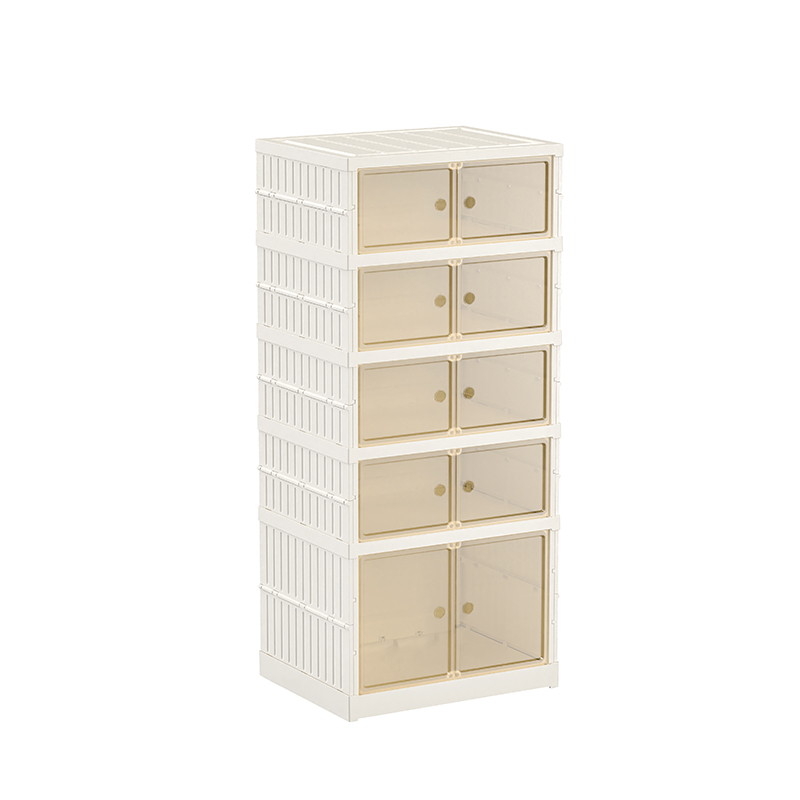
Multi-Purpose 6-Tier Foldable Storage Cabinet

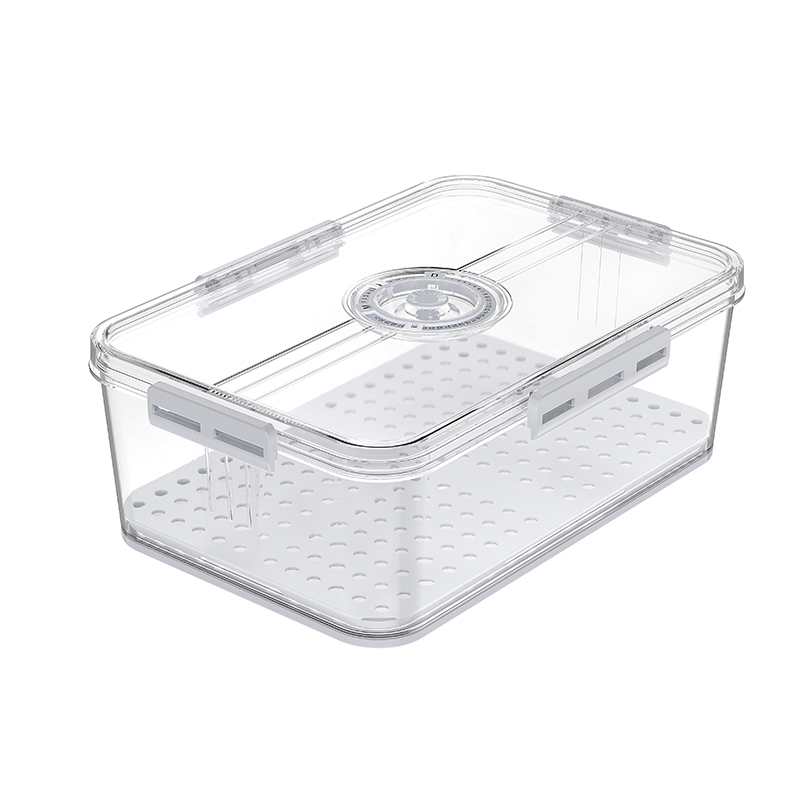
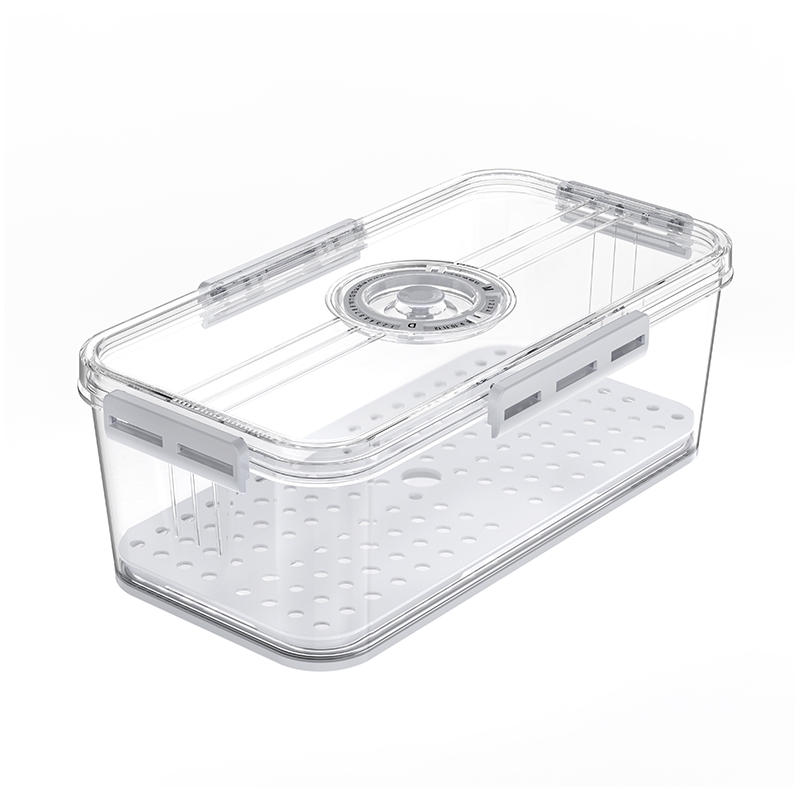
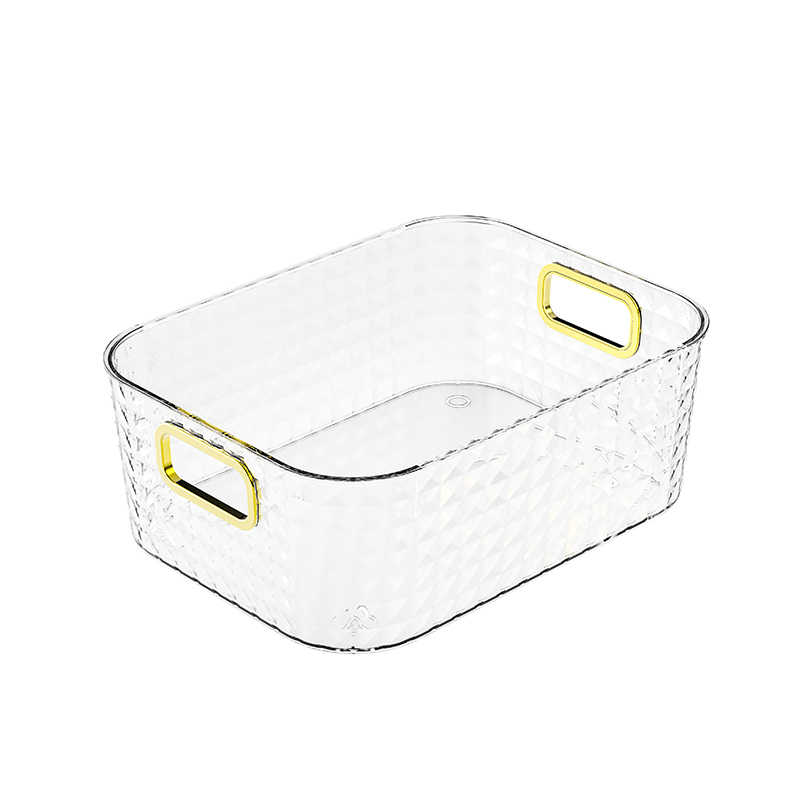
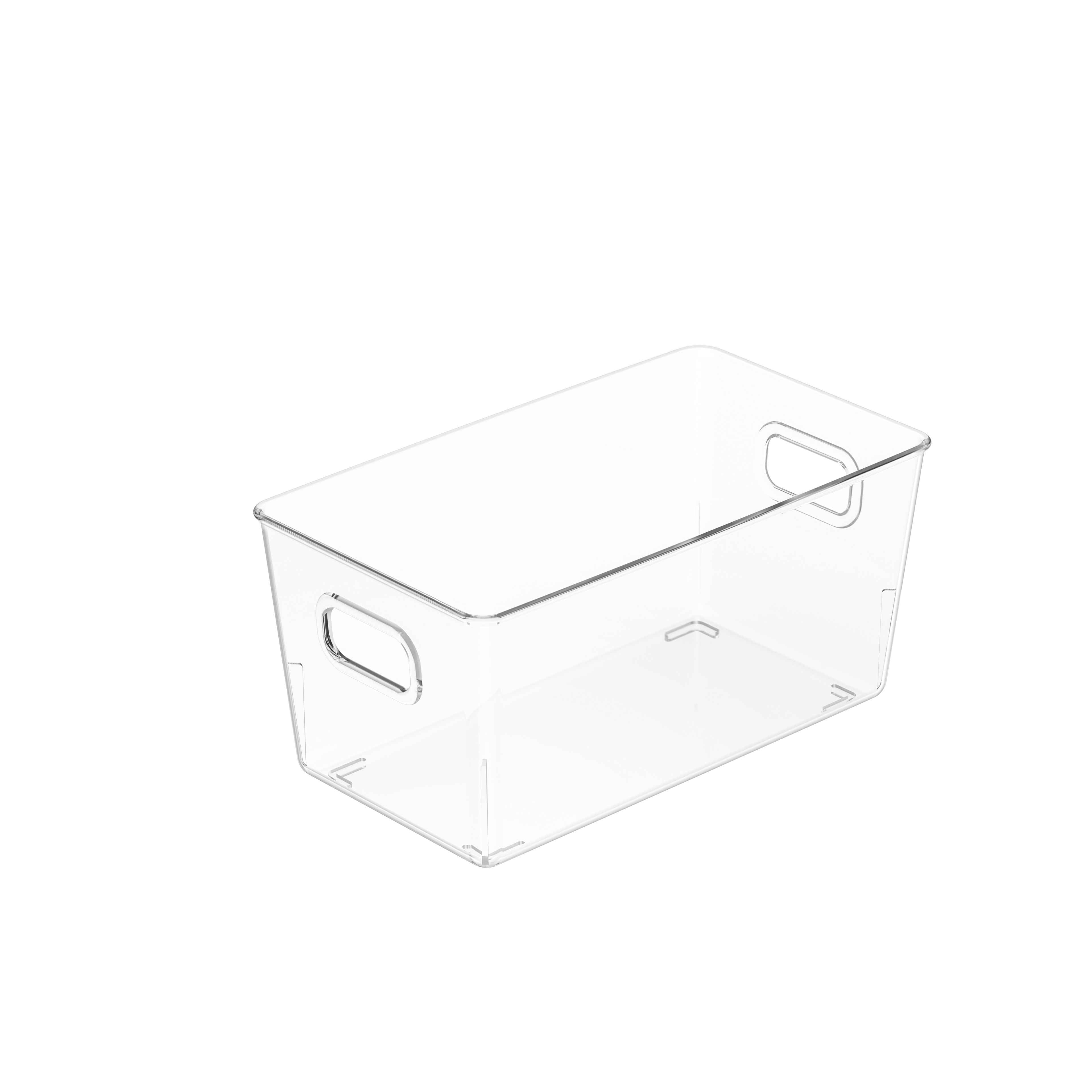
Maximizing the storage density of modern shelving systems requires careful selection of container geometry, dimensions, and materials. A med rect storage bin (medium rectangular storage bin) serves as the industry standard for optimizing space because its straight, 90-degree corners eliminate the dead space inherent to round or tapered organizational bins. By matching the depth of standard commercial and residential shelving units, these medium-capacity rectangular containers maximize volume utility, streamline sorting processes, and protect valuable inventory from environmental hazards.
When managing tight storage space, container geometry is a critical factor in overall efficiency. Cylindrical, rounded, or heavily tapered bins create irregular gaps when placed side by side. These empty areas represent lost storage space that cannot be utilized.
A medium rectangular container solves this geometric problem. When placed flush against one another on a shelf, its flat parallel walls and sharp corners ensure a space utilization efficiency of up to 98% within its footprint. This makes rectangular bins highly effective for modular, high-density storage setups. For example, fitting multiple bins onto a standard 36-inch wire rack allows facility managers to maximize horizontal and vertical shelf space with zero wasted volume between units.
Storage containers generally follow one of two structural designs, each tailored to specific storage and logistical needs:
The operational lifespan and protective performance of a medium rectangular storage bin depend heavily on its material formulation. Selecting the right polymer or natural composite ensures the container can withstand specific environmental conditions without cracking, warping, or degrading.
Industrial and utility applications rely heavily on high-density polyethylene (HDPE) or polypropylene (PP). These heavy-duty plastics are exceptionally resilient against impact shocks, chemical spills, and fluctuating temperatures. In contrast, residential and retail setups often favor lighter, clearer polymers like polystyrene or woven fabric composites, prioritizing quick visual identification and aesthetic integration over brute impact resistance.
Polypropylene is a popular choice for high-use bins due to its excellent fatigue resistance. Bins molded from this polymer can endure thousands of high-load stacking cycles without suffering stress cracks along their base or corners. Additionally, polypropylene features a high melting point, allowing these containers to be sanitized using commercial steam cleaning systems without losing structural shape.
Medium-sized rectangular storage bins are carefully sized to strike a balance between storage capacity and manual handling limits. If a container is too large, it can easily become too heavy to lift safely when filled; if it is too small, it fails to utilize shelf depth efficiently.
The table below outlines standard configurations for medium rectangular bins across various common materials, along with their ideal weight limits and targeted applications:
| Material Type | Average Dimensions (L x W x H) | Internal Volume Capacity | Max Recommended Load | Primary Use Environment |
|---|---|---|---|---|
| Heavy-Duty Polypropylene | 16" x 11" x 6" | 15 Liters | 18.0 kg (39.6 lbs) | Automotive parts, tool rooms, warehouses |
| Clear Polyethylene (PET) | 14" x 10" x 5.5" | 12 Liters | 8.5 kg (18.7 lbs) | Pantry storage, refrigerators, medical supplies |
| Reinforced Non-Woven Fabric | 15" x 11" x 7" | 18 Liters | 5.0 kg (11.0 lbs) | Closets, linens, office document archiving |
| Natural Bamboo / Wicker | 14" x 9.5" x 6" | 11 Liters | 6.5 kg (14.3 lbs) | Retail displays, hospitality front desks |
Beyond basic shapes and sizes, subtle engineering enhancements can significantly improve the performance, ergonomics, and safety of a medium rectangular bin.
When storage bins are stacked vertically, the weight of the upper containers places considerable stress on the lower unit's walls. To prevent bowing and collapse, high-quality bins feature a reinforced perimeter upper rim. Additionally, integrated molding along the bottom surface creates a locking lip that fits securely onto the lid or rim of the container below it. This anti-slide rib design helps prevent columns from shifting or tipping in high-vibration environments, such as transport vehicles or busy factory floors.
Depending on the storage application, a bin may prioritize accessibility or environmental isolation:
Maintaining storage cleanliness is vital, particularly in food service, healthcare, and cleanroom environments where dust and microbial growth can compromise inventory.
Organizing a space effectively involves more than just loading items into containers; it requires a systematic tracking arrangement that minimizes search times. Medium rectangular storage bins are uniquely suited for color-coded organization due to their clean visual profile when arranged neatly on open shelves.
In industrial facilities and distribution centers, managers often assign a distinct color to each step of production or type of part. For instance, blue bins might hold incoming raw components, yellow bins protect work-in-progress materials, and red bins isolate items that failed quality inspection. By positioning adhesive barcode labels on the flat front face of the medium rectangular containers, employees can quickly scan tracking tags from a distance, accelerating fulfillment workflows and reducing sorting errors.


Zhangqi Industrial Park, Cixi City, Ningbo City, Zhejiang Province

