
 Search for...
 English
 Español
 日本語
日本語
 한국어
한국어
 عربى
عربى
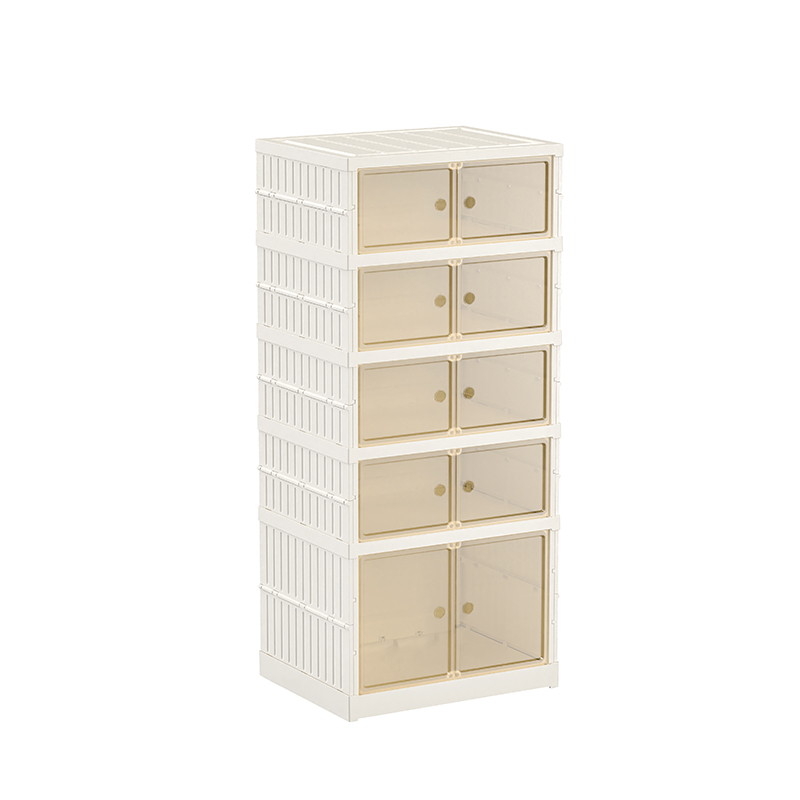
Multi-Purpose 6-Tier Foldable Storage Cabinet

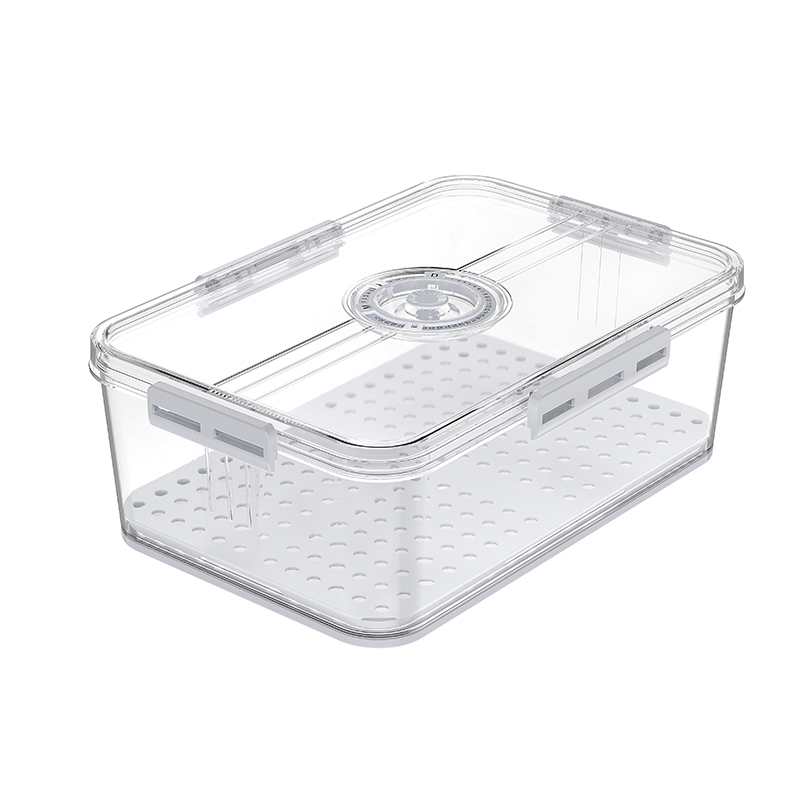
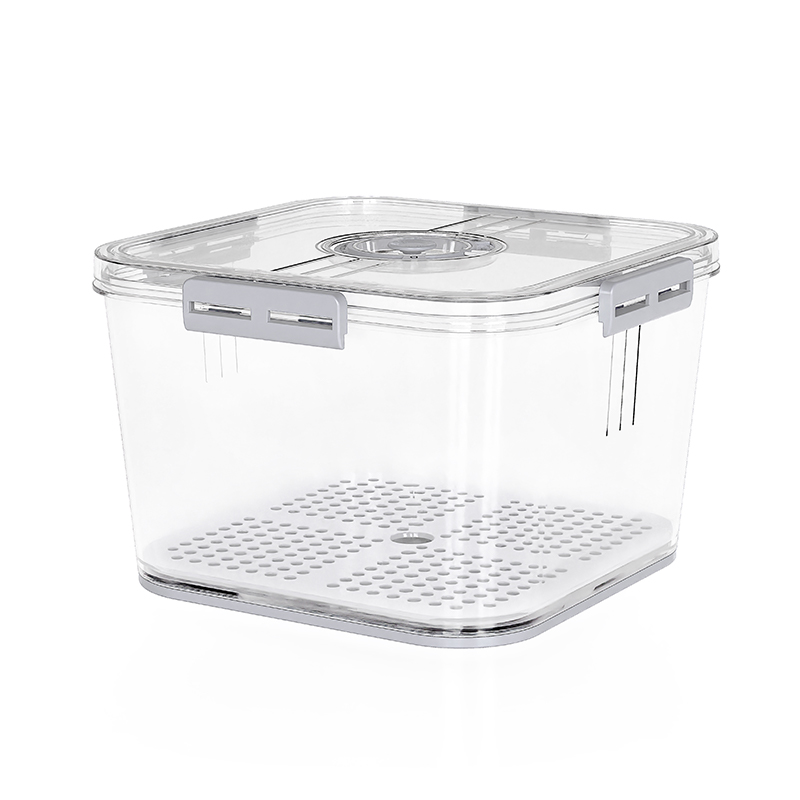
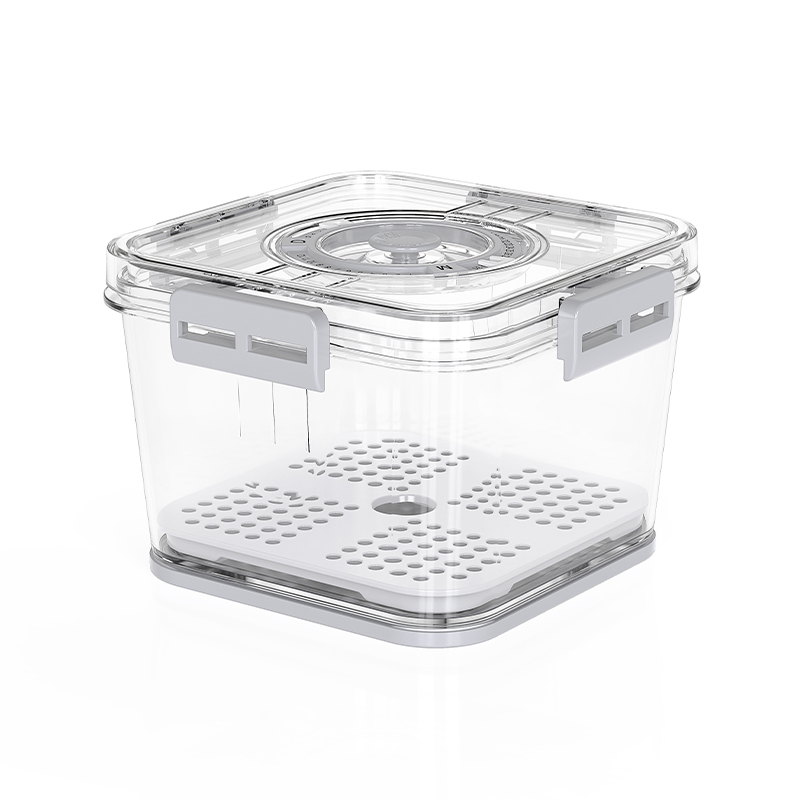
Optimizing the shelf life of ingredients and prepared meals requires more than traditional, passive plastic storage containers can provide. A kitchen chronograph food box solves the problem of premature spoilage by combining airtight or vacuum-sealed storage with an integrated, manual or digital time-tracking interface. By providing an immediate visual record of exactly when an item was stored or when it will expire, these specialized containers eliminate guesswork, reduce domestic food waste, and maintain optimal nutritional value.
The fundamental principle behind a kitchen chronograph food box is the integration of a chronological logging mechanism directly into the structural architecture of the container lid. Traditional storage methods rely on external labels, masking tape, or memory, which frequently fail in busy culinary environments. This specialized container builds a reliable logging system directly into the hardware.
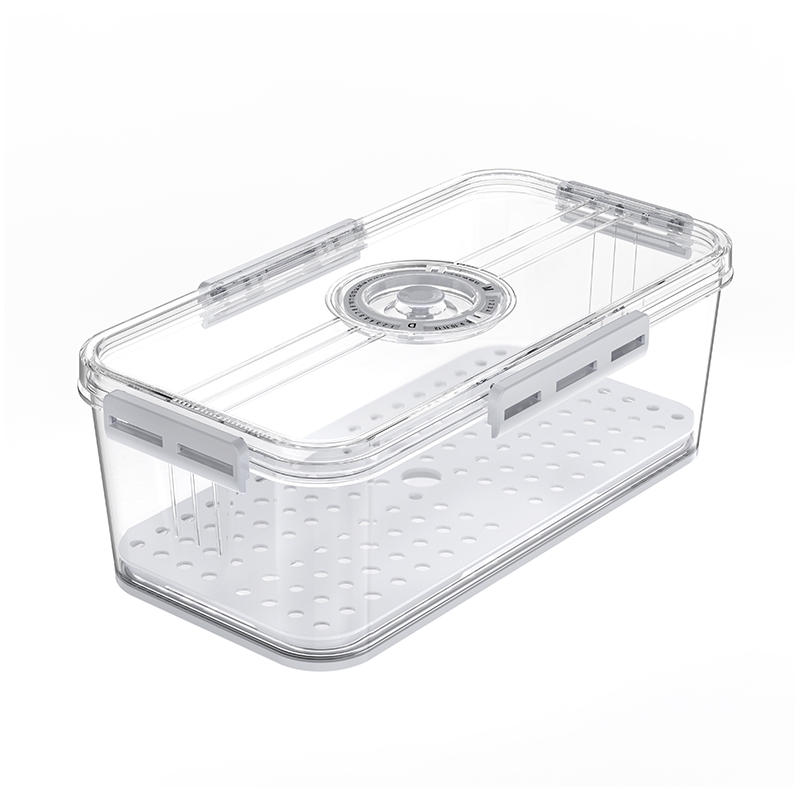
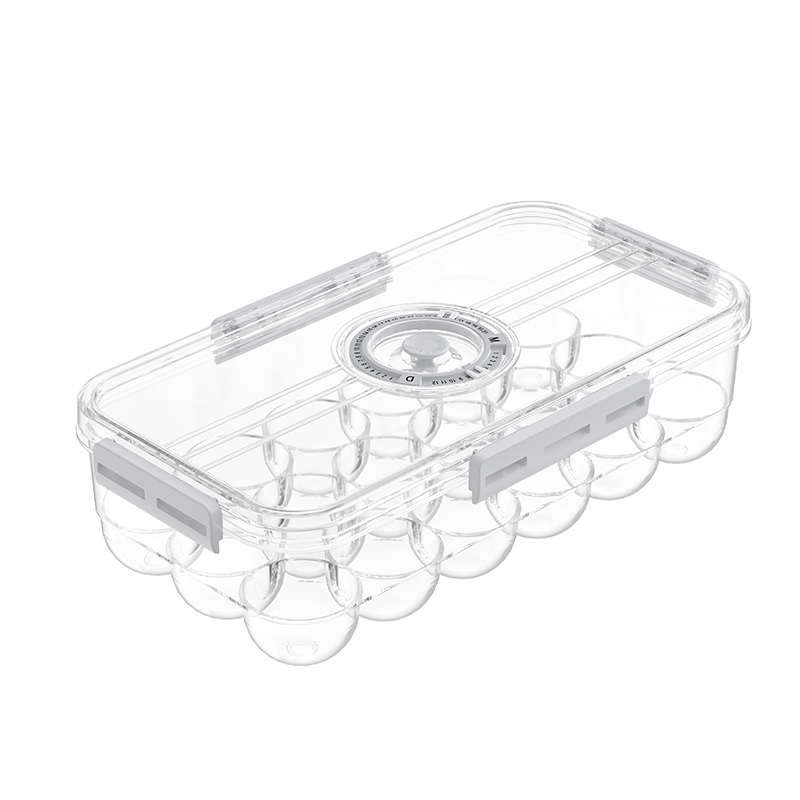
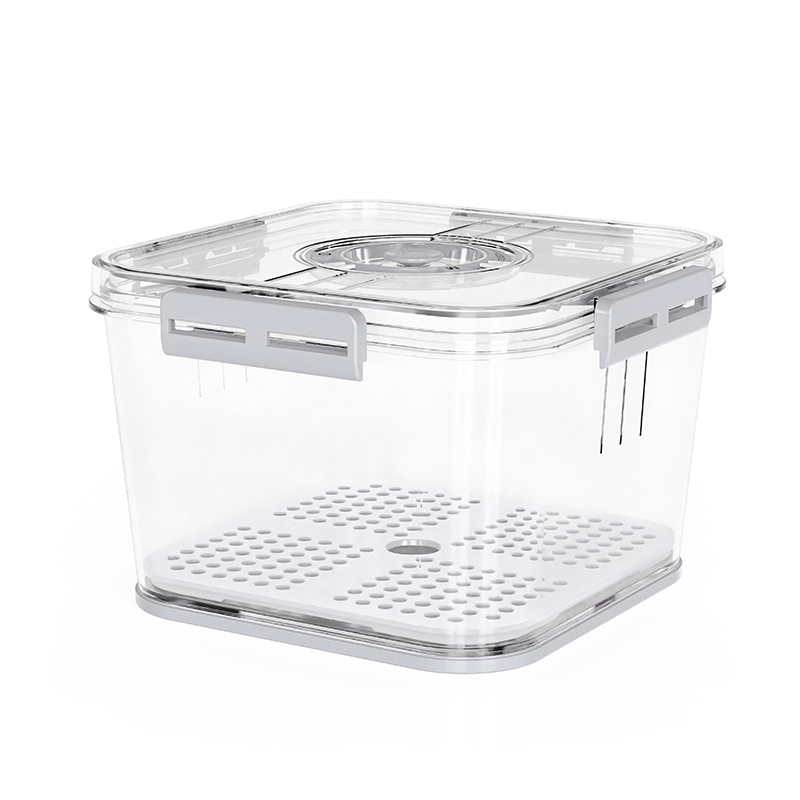
Most premium variants utilize a mechanical dual-dial system integrated into the perimeter of the lid. The first dial corresponds to the months of the year (1 through 12), while the secondary internal dial displays the days of the month (1 through 31). When a user places leftovers or freshly prepped ingredients inside the container, a quick twist lines up the current date or target expiration date with an indicator arrow. This simple mechanical action provides an unalterable, condensation-resistant stamp that remains legible inside low-temperature environments.
As kitchen technology advances, electronic variations have entered the market alongside traditional mechanical models. While mechanical dials are highly valued for their dishwasher-safe designs and infinite operational lifespans without batteries, digital variants offer additional layers of precision:
A tracking mechanism is only effective if the container can physically preserve the food for the logged duration. To ensure structural integrity, a kitchen chronograph food box features an advanced pneumatic sealing system designed to minimize oxygen exchange and moisture migration.
The perimeter of the container lid is lined with a high-grade, food-safe silicone gasket. When the heavy-duty latches are closed, this gasket compresses against the rim of the container body to create a hermetic barrier that blocks external air currents. Many high-performance models also feature a central one-way vacuum valve. By using a manual pump or an integrated push-button piston, users can extract excess air from the container. This creates a low-oxygen environment that slows down oxidative degradation and retards aerobic bacterial replication.
When air is effectively sealed inside or removed from a storage container, volatile organic compounds responsible for strong food odors cannot escape. This isolation prevents odor transfer within the refrigerator, ensuring that delicate dairy products stored next to a chronograph container filled with diced onions or garlic marinades will not absorb contrasting flavors.
To demonstrate the practical benefits of upgrading to a kitchen chronograph food box, it is helpful to look at empirical preservation timelines. Combining a vacuum-capable hermetic seal with precise date tracking allows households to maximize food storage limits safely.
The table below compares standard storage windows against the extended timelines achieved using a vacuum-sealed, chronologically tracked food storage box:
| Ingredient Category | Standard Container Shelf Life | Chronograph Box Shelf Life | Primary Degradation Factor | Preservation Mechanism |
|---|---|---|---|---|
| Leafy Greens (Spinach, Kale) | 3 - 5 Days | 10 - 14 Days | Moisture loss & wilting | Humidity retention loop |
| Cooked Protein (Poultry, Beef) | 2 - 3 Days | 6 - 8 Days | Bacterial surface growth | Oxygen-deprived vacuum sealing |
| Fresh Berries (Strawberries) | 4 - 6 Days | 12 - 15 Days | Mold spore activation | Spores isolated from ambient air |
| Hard Cheeses | 10 - 14 Days | 30 - 45 Days | Surface oxidation & drying | Constant atmospheric barrier |
The durability and safety of a kitchen chronograph food box depend heavily on its material construction. Because these containers are designed for long-term reusability and exposure to a wide range of temperatures, manufacturers must choose materials that resist chemical leaching and physical degradation.
Premium kitchen chronograph containers often use high-borosilicate glass for the main body. This material is engineered to withstand extreme thermal shock, meaning a container can move directly from a -20°C freezer environment into a heated oven or microwave without cracking or shattering. Borosilicate glass is also completely non-porous, ensuring it does not retain stubborn stains or oils from acidic tomato sauces or intense spices.
For lightweight, impact-resistant configurations, specialized polymers like Tritan copolyester are used instead of standard plastics. This material delivers the clarity of glass without the risk of shattering if dropped onto hard kitchen tile. It is thoroughly certified as 100% BPA and BPS-free, ensuring that prolonged contact with warm food items will not cause harmful synthetic chemicals to leach into the food.
To ensure the integrated mechanical components of a chronograph lid function smoothly over years of regular use, kitchens should follow a standardized sanitation routine.
Integrating multiple chronograph boxes into a weekly batch-cooking or meal-prepping routine can streamline kitchen operations. By utilizing identical containers that stack cleanly, commercial and domestic kitchens can optimize their available refrigeration space.
When managing inventory, organize containers using a First-In, First-Out (FIFO) methodology. Arrange the containers inside the refrigerator so that the dates displayed on the chronograph dials face forward. This creates an instant visual inventory, allowing cooks to see at a glance which proteins or prepared vegetables need to be used first. This organized approach maximizes kitchen efficiency and ensures every ingredient is consumed at peak quality.


Zhangqi Industrial Park, Cixi City, Ningbo City, Zhejiang Province

