
 Search for...
 English
 Español
 日本語
日本語
 한국어
한국어
 عربى
عربى
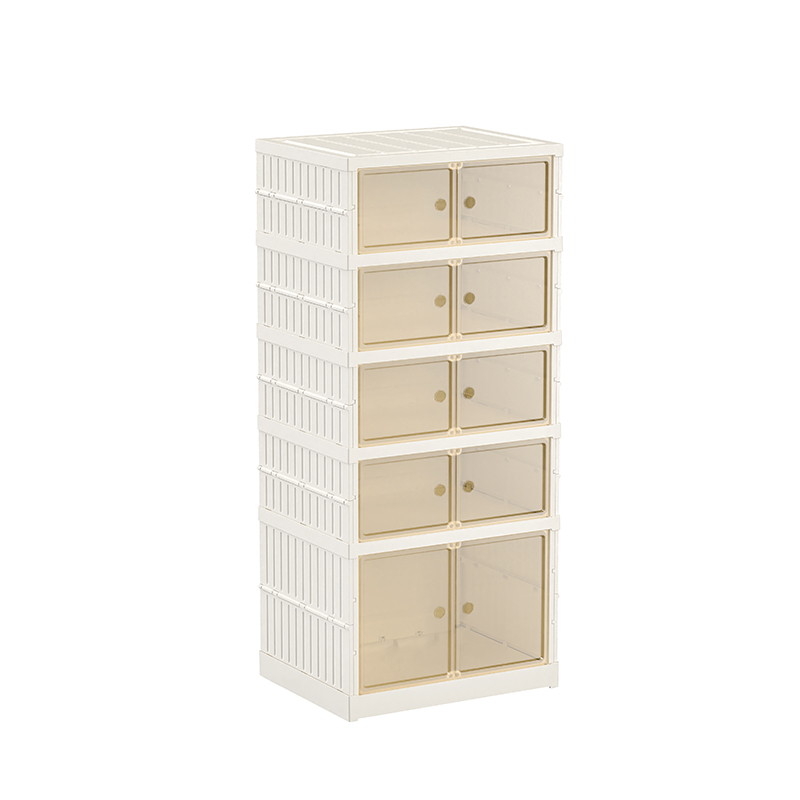
Multi-Purpose 6-Tier Foldable Storage Cabinet

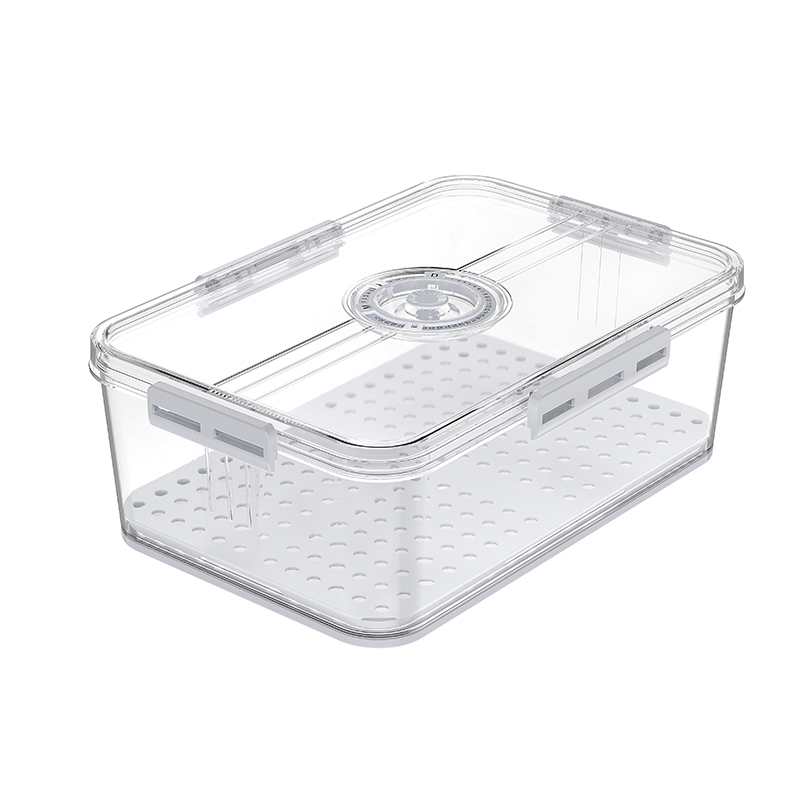
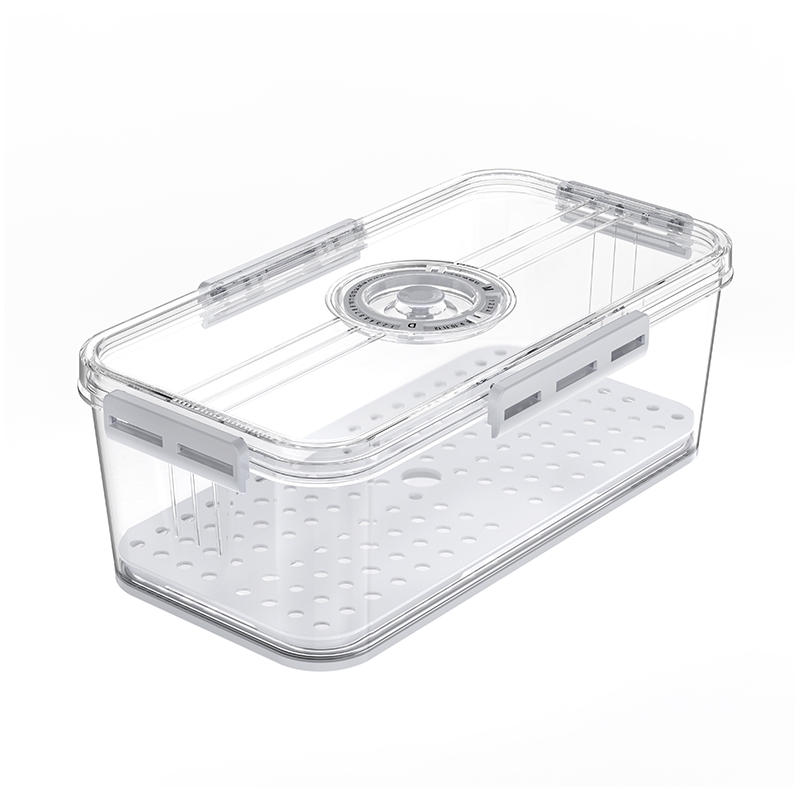
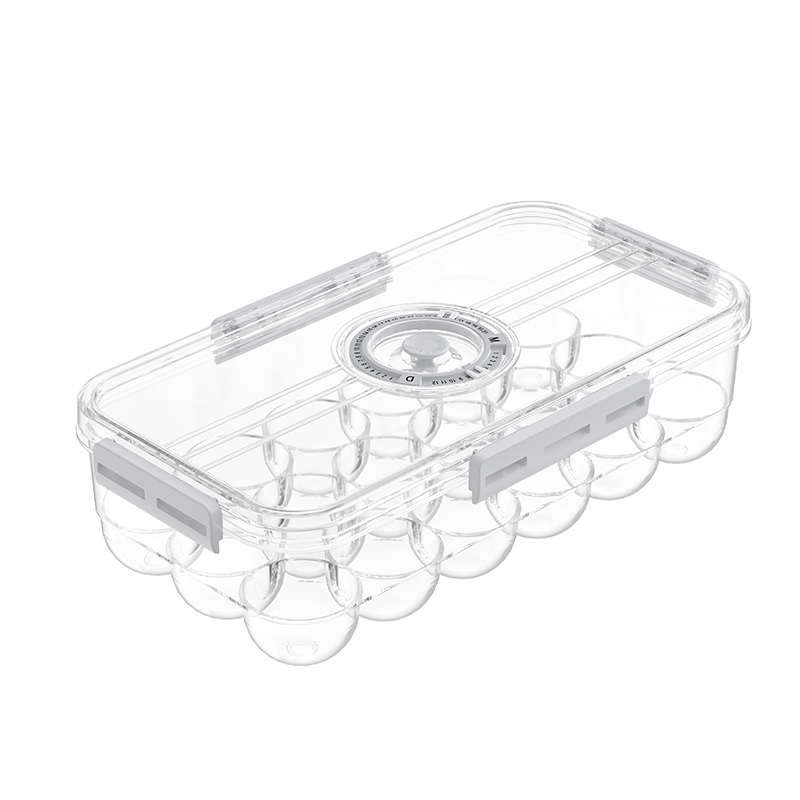
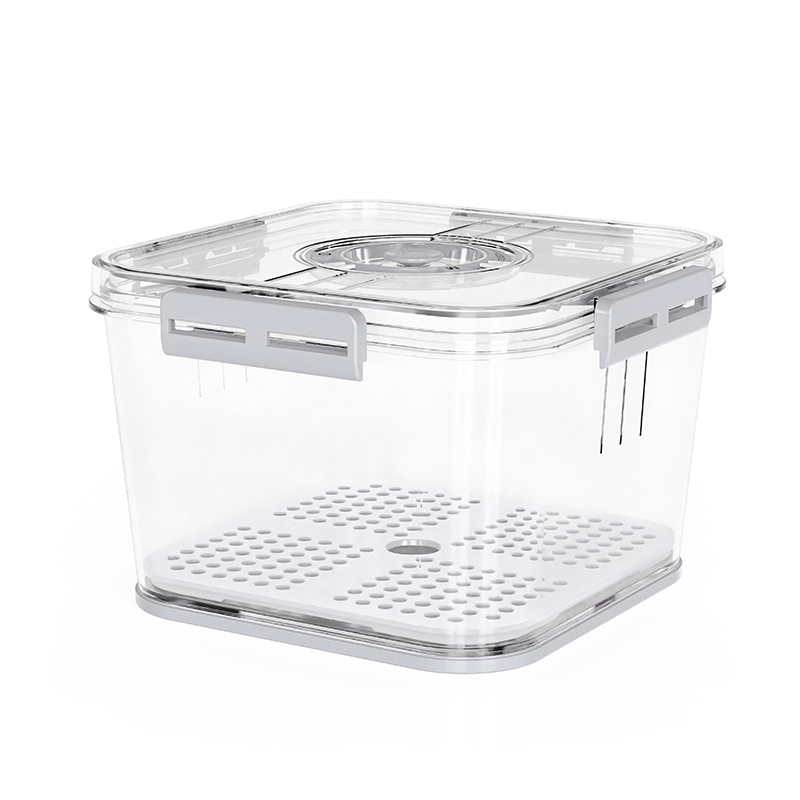
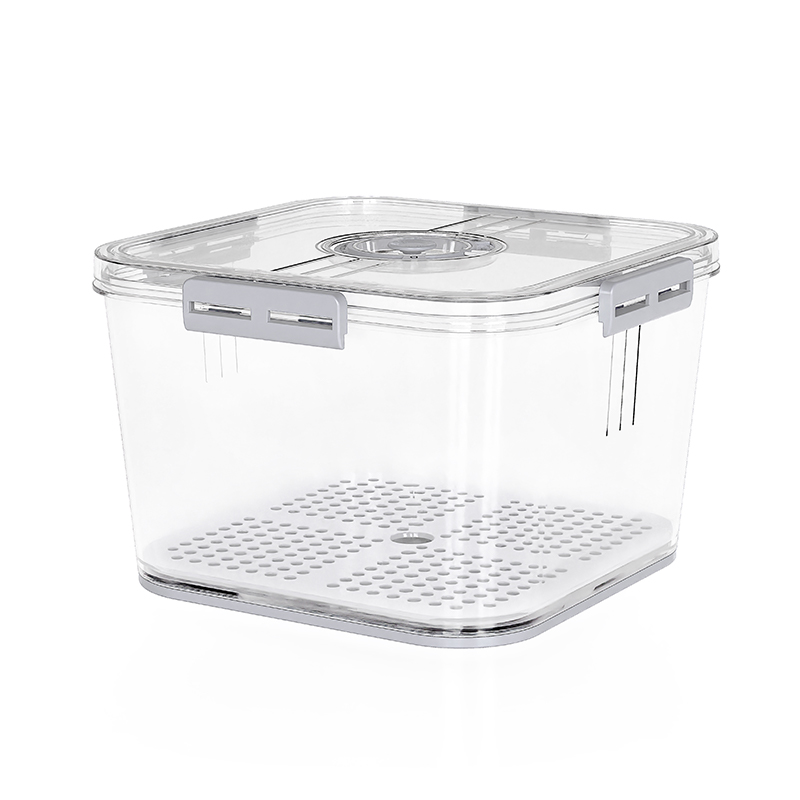
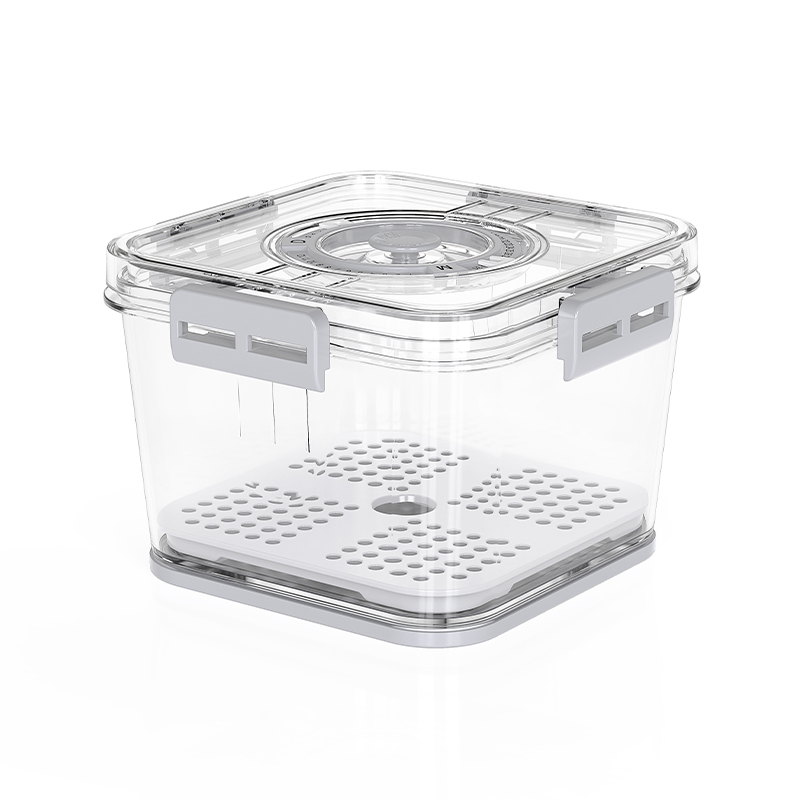
A stackable fridge timer control box plays a crucial role in modern refrigeration systems, ensuring precise timing and optimized operation for multiple units. In terms of reliability, these control boxes provide consistent performance by automating defrost cycles, fan operation, and energy management. From a versatility perspective, they can accommodate different refrigeration capacities, stackable configurations, and integration with smart monitoring systems.
For commercial kitchens or multi-unit cold storage, choosing the right control box is essential to maintain product freshness while minimizing energy consumption.
Stackable fridge timer control boxes typically offer multiple defrost timing options. Automatic defrost reduces manual intervention and prevents frost accumulation, which can impair refrigeration efficiency.
A primary benefit of advanced timer control boxes is energy efficiency. By regulating compressor and fan cycles accurately, these units reduce unnecessary power consumption.
Mechanical stackable fridge timers rely on gears and springs for operation. They are known for longevity and resistance to electrical noise, making them suitable for harsh industrial environments.
Digital timers offer precision and advanced functionality. Features include programmable schedules, remote monitoring, and integration with energy-saving platforms.
Stackable fridge timer control boxes are designed for multi-unit refrigeration systems. They allow multiple fridges to share a single control interface while maintaining independent cycle management.
Using separate timer control boxes for each fridge allows complete autonomy but can increase complexity and energy use.
| Feature | Mechanical Timer | Digital Timer |
|---|---|---|
| Accuracy | Moderate | High, to the minute |
| Maintenance | Low | Moderate, requires software updates |
| Energy Efficiency | Moderate | High, optimized cycles |
| Integration | Limited | IoT and smart systems compatible |
| Cost | Lower upfront | Higher upfront |
Stackable fridge timer control boxes are widely used in grocery stores, restaurants, food processing plants, and pharmaceutical storage facilities. Their ability to manage multiple units efficiently makes them indispensable for operations where temperature precision and energy savings are critical.
The next generation of stackable fridge timer control boxes is focusing on smart integration. IoT-enabled devices allow operators to monitor real-time performance, predict maintenance needs, and adjust cycles remotely.


Zhangqi Industrial Park, Cixi City, Ningbo City, Zhejiang Province

