
 Search for...
 English
 Español
 日本語
日本語
 한국어
한국어
 عربى
عربى
Multi-Purpose 6-Tier Foldable Storage Cabinet

Plastic food containers look easy to buy. You grab a set with a few sizes, think you have sorted out your fridge, and then discover within a month that one lid no longer seals, another base has warped in the dishwasher, and a third container has a tomato stain that will not wash out. That pattern is familiar to almost every kitchen, but it does not have to be the norm. The right plastic food containers are a deliberate choice of material, lid design, shape, and cleaning habit. When you choose them with those factors in mind, they serve reliably for years.
Understanding those differences also helps you avoid the two most common mistakes: buying containers that look good in the store but fail in real use, and paying for features you will never use. Here is what to check, in order of importance.
Start with the material. The most common food-safe plastics used in household storage are PET, PP, and ABS. PET keeps its transparency and resists impact, which makes it a good fit for containers you need to see through. PP is lighter, handles heat better, and suits containers that go in the dishwasher or handle slightly warm food. ABS gives extra strength and rigidity, so it appears in structures that need to hold their shape when loaded. The exact mix matters less than the label on the box: a food-grade plastic container should state the material and follow the manufacturer's use limits.
Thickness is another clue to quality. A container wall that flexes too much is likely to crack at the corners, especially when you stack several full containers together. Give the base a gentle squeeze before you buy; it should flex slightly but return to its original shape. Thick walls also hold up better in the dishwasher and feel less flimsy when you carry a full meal to work. If a container smells strongly of chemicals when you open the package, or feels brittle, treat that as a warning flag. The best plastic food containers feel solid, close smoothly, and are free of any obvious chemical odour.
The bottom of a container can go through a lot, but the lid is the part that decides whether the container keeps working. A lid that only clicks in the middle will let air escape around the edges, which causes fresh herbs to wilt and leftovers to dry out. Four-sided locking lids and lids with silicone gaskets provide a more dependable seal, especially for liquids and saucy dishes. You should also be able to pop the lid off without a struggle, because a lid that is painful to open tends to make you reach for a bowl and cling wrap instead.
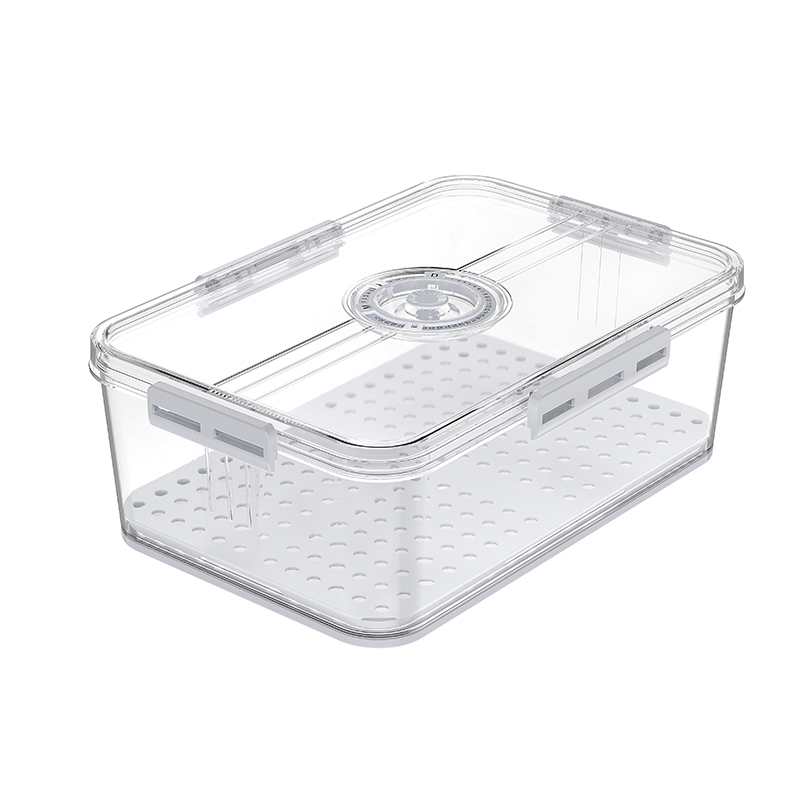
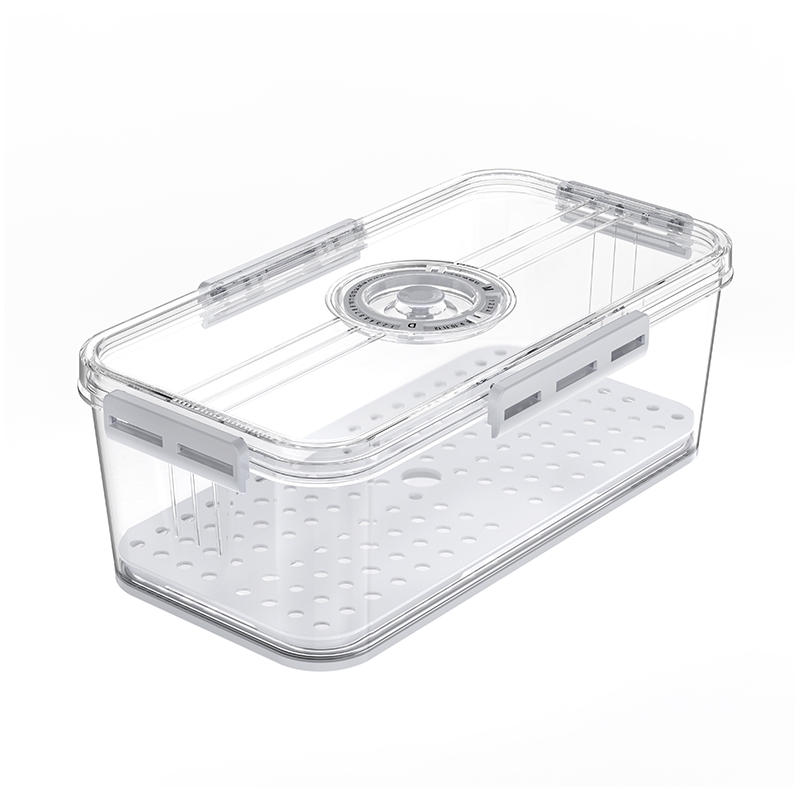
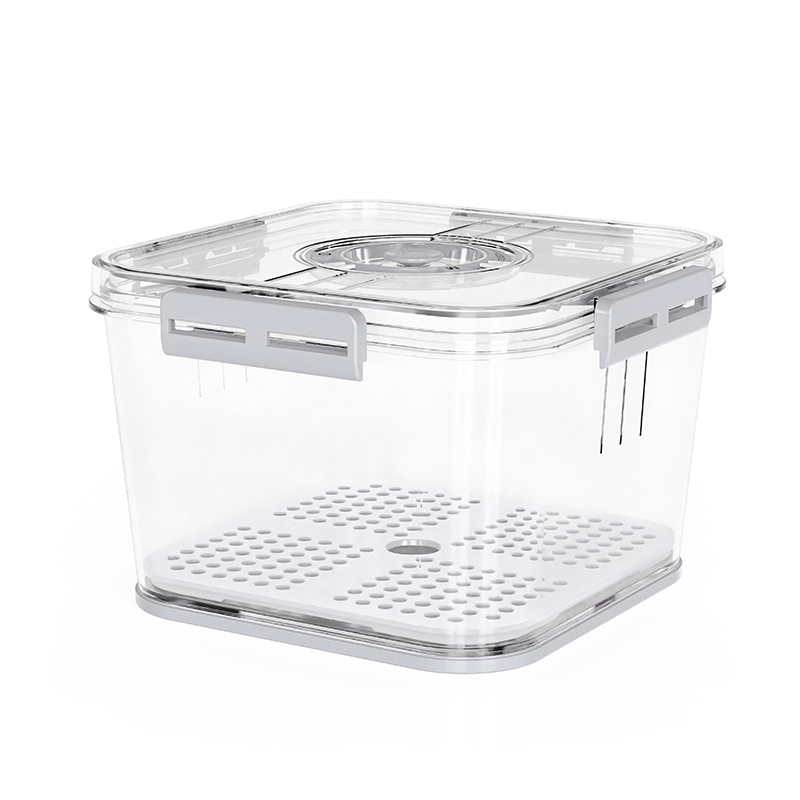
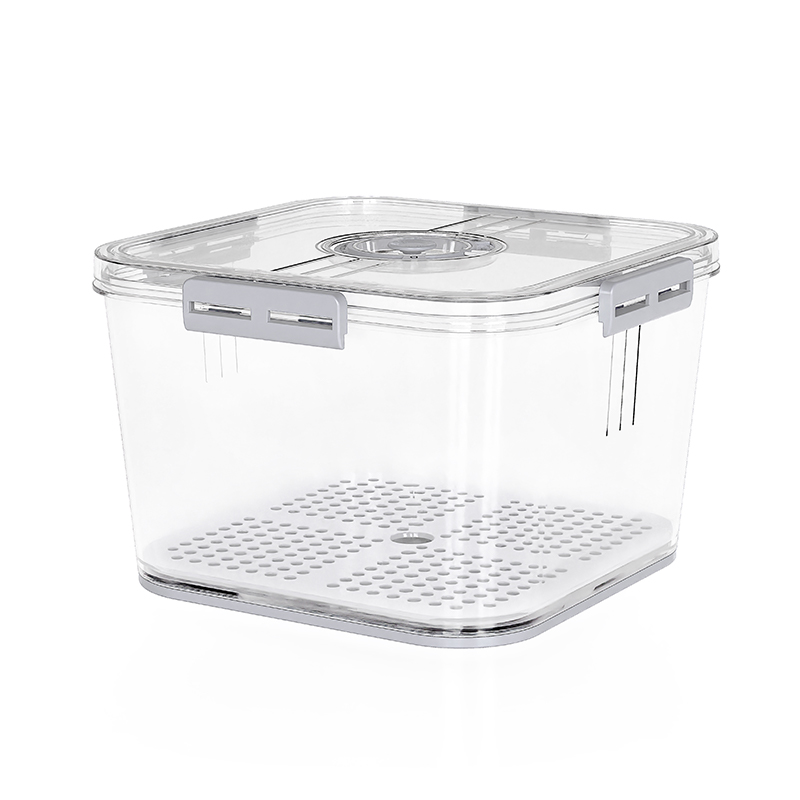
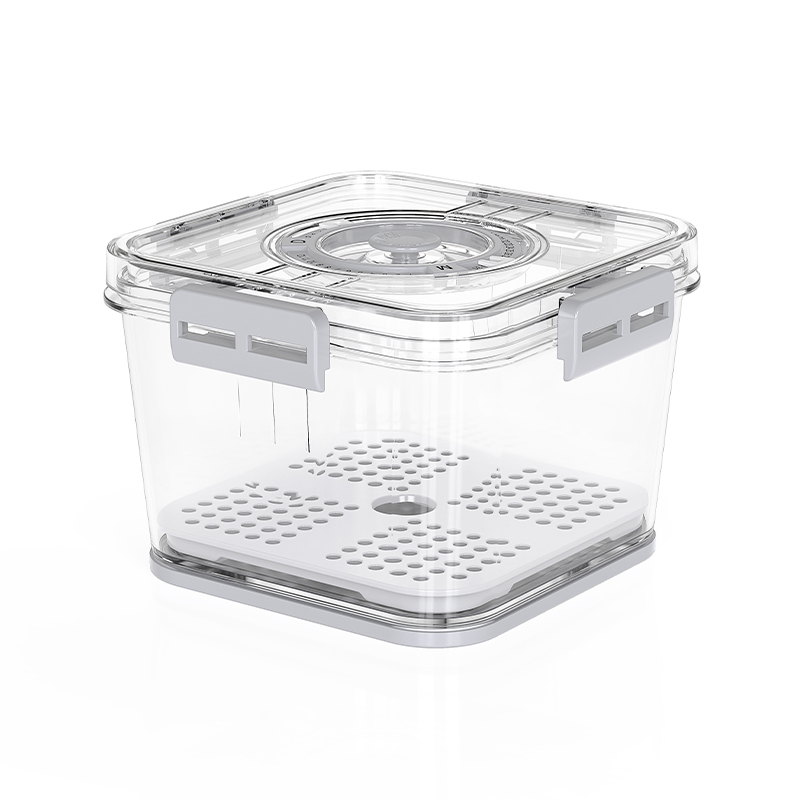
If you often store vegetables or washed fruit, a container with a built-in drain board gives the food a place to sit above the moisture that collects at the bottom. A good example is the medium stackable PET fridge food storage box with drain board, which uses a transparent PET body and a separate tray to keep greens and fruit out of standing water. That small design detail can make the difference between crisp lettuce and a soggy salad.
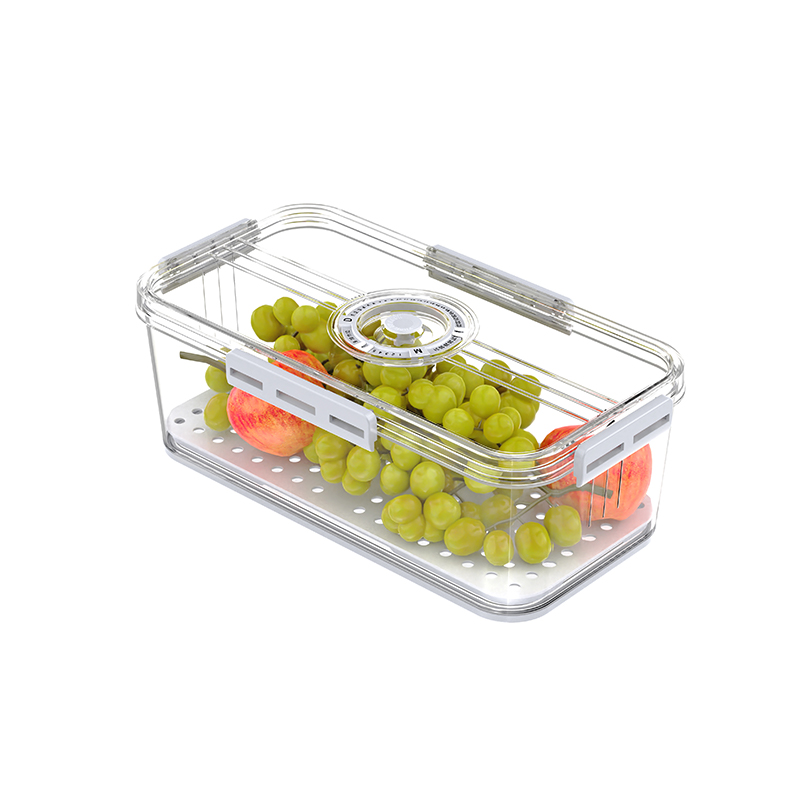 Drain Storage Box Manufacturers, Non -Slip Bottom Pad Box SuppliersNingbo Orgwiser Plastic Products Co., Ltd. is China Drain Storage Box Manufacturers and Non -Slip Bottom Pad Box Suppliers, offer Wholesa...View Product →
Even with a well-sealed lid, it is easy to forget what is at the back of the fridge. A stack of containers all look similar after a few days, and without a date label it is hard to guess whether that soup is two days old or five. Some containers solve this with a simple timer built into the lid. You flip the dial or push a button when you store the food, and the container gives you a visible reminder of how long the food has been there.
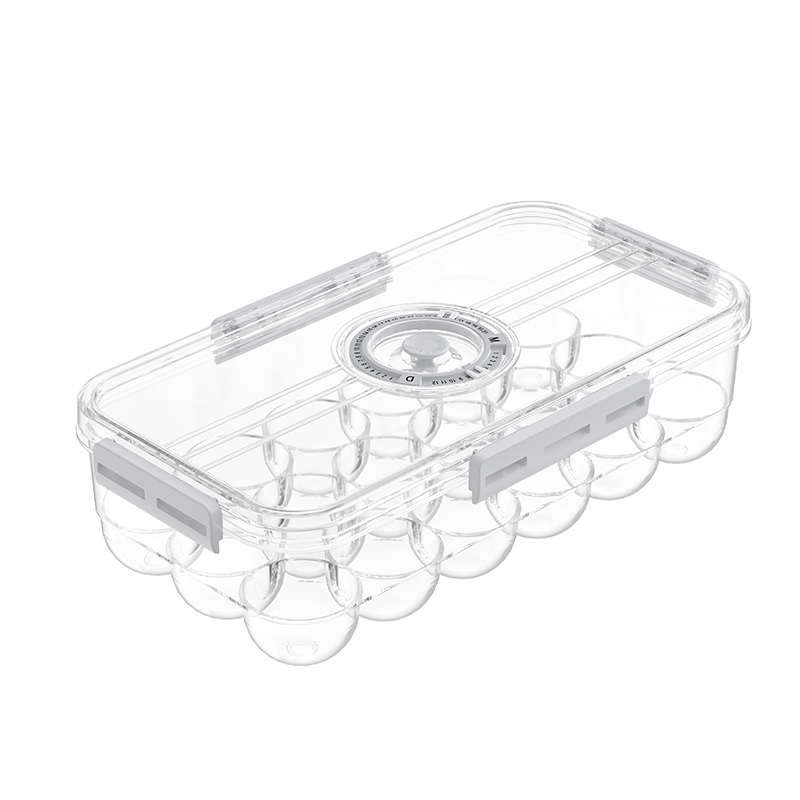
For everyday leftovers, the stackable fridge timer control box is designed to fit neatly into a fridge shelf while keeping the timing function on top where you can actually see it. Similar logic applies to eggs. The stackable 18-count egg storage bin with time tracker lid protects eggs from breakage and lets you check their approximate age at a glance. These features are not gimmicks; they directly reduce the chances of throwing out food because you forgot you had it.
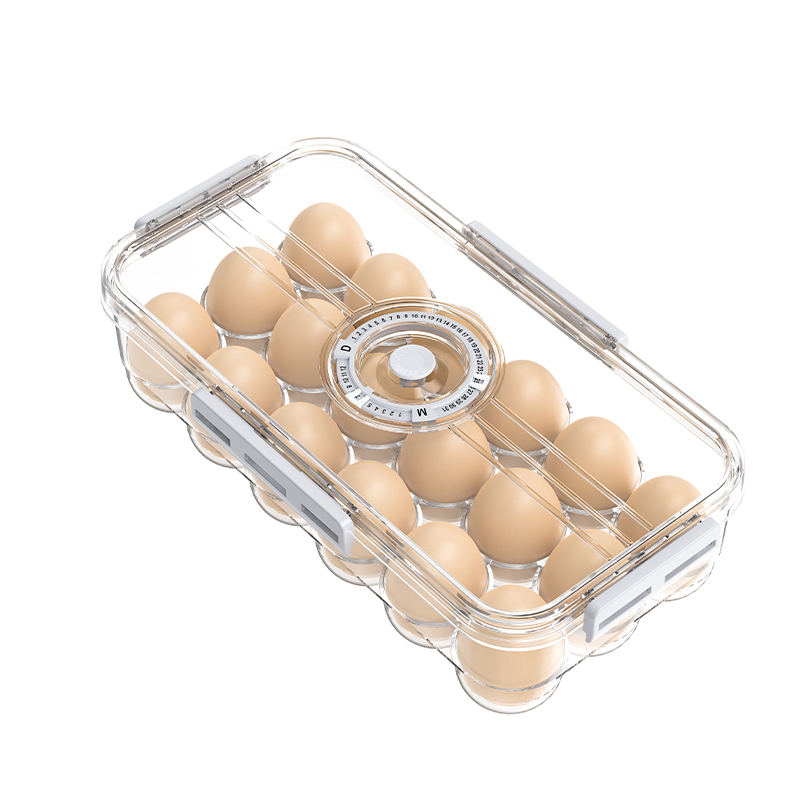 Egg Storage Box Manufacturers, Food -Grade Plastic Boxes SuppliersNingbo Orgwiser Plastic Products Co., Ltd. is China Egg Storage Box Manufacturers and Environmental Protection, Food -Grade Plastic Boxes...View Product →
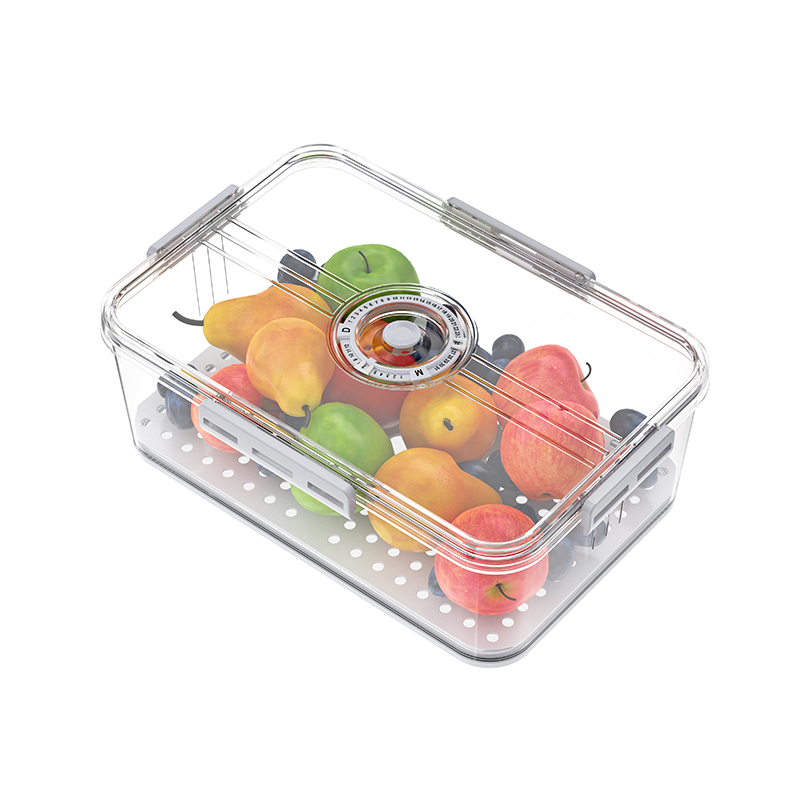 Wholesale Stackable Fridge Timer Control Box Manufacturers, OEM/ODM Suppliers - Ningbo Orgwiser Plastic Products Co., Ltd is China Stackable Fridge Timer Control Box Manufacturers and OEM/ODM Stackable Fridge Timer Co...View Product →
The shape of a container is often more important than its material. Round containers are simple, but they waste the vertical space in a fridge because they leave awkward gaps when stacked. Square and rectangular containers are easier to arrange on a shelf, and they stack more securely on top of each other. Look for containers that can be stacked with the lid on, so you can reach in and take the one you need without moving a whole tower.
Visible designs add another advantage: when you can see what is inside, you are less likely to buy a duplicate or leave something behind. That is why clear PET storage has become a standard for refrigerator and pantry organisation in recent years. Think about cabinet storage as well. If you have limited cabinet space, containers that nest when empty are more practical than a set of bulky boxes that take up the whole shelf. Clear lids that fit one base can be stored separately, or you can choose a set with a built-in lid slot. The goal is a system you can maintain without rearranging everything every time you wash a dish.
Plastic food containers last longer when you give them a little attention. Wash them soon after use, especially if they have held something oily or acidic. Let the lid dry separately so moisture does not sit under the gasket. Avoid pouring boiling water into a container that is not marked heat resistant, and do not use abrasive scrubbers, because scratches create places for stains and odours to hide.
Stains are a common complaint with plastic food containers. Tomato sauce, turmeric, and oil can all leave marks, especially on plastic that has already been scratched. To avoid this, rinse the container immediately after use, or fill it with warm water and a little dish soap before it dries. If a stain does appear, a paste of baking soda and water left for a few minutes will often lift it without scratching the surface. For a fuller routine, the how to clean and maintain plastic food storage containers guide covers the practical steps in detail. The main point is to match the container to its use: if you are not sure it is dishwasher safe, check the base marking, and when in doubt, wash by hand.
Before you add another set to your cart, run through a short checklist. The table below summarises the factors that matter most when buying plastic food containers for daily meal prep and fridge storage.
| Factor | Why It Matters | What to Look For |
|---|---|---|
| Material | Determines safety, clarity, and durability | Food-grade PET, PP, or ABS; no chemical odour |
| Lid seal | Prevents leaks and keeps food fresh | Four-sided locking or silicone gasket; easy to open |
| Shape | Uses fridge and cabinet space efficiently | Square or rectangular; stackable with lids on |
| Visibility | Helps you find food quickly | Clear PET body or visible sides |
| Freshness tracking | Reduces forgotten leftovers | Timer lid, date dial, or time-tracking marker |
| Cleaning | Affects hygiene and how long the container stays nice | Dishwasher-safe material; smooth surfaces; dry with lid open |
Plastic food containers become part of your daily routine, so they are worth choosing with care. Focus on food-safe materials, a lid that really seals, and shapes that fit your fridge. Add drain boards or timer lids when they address a problem you have actually noticed, and clean the containers properly so they stay presentable. These are the details that turn an ordinary stack of plastic boxes into a kitchen system that works.


Zhangqi Industrial Park, Cixi City, Ningbo City, Zhejiang Province

