
 Search for...
 English
 Español
 日本語
日本語
 한국어
한국어
 عربى
عربى
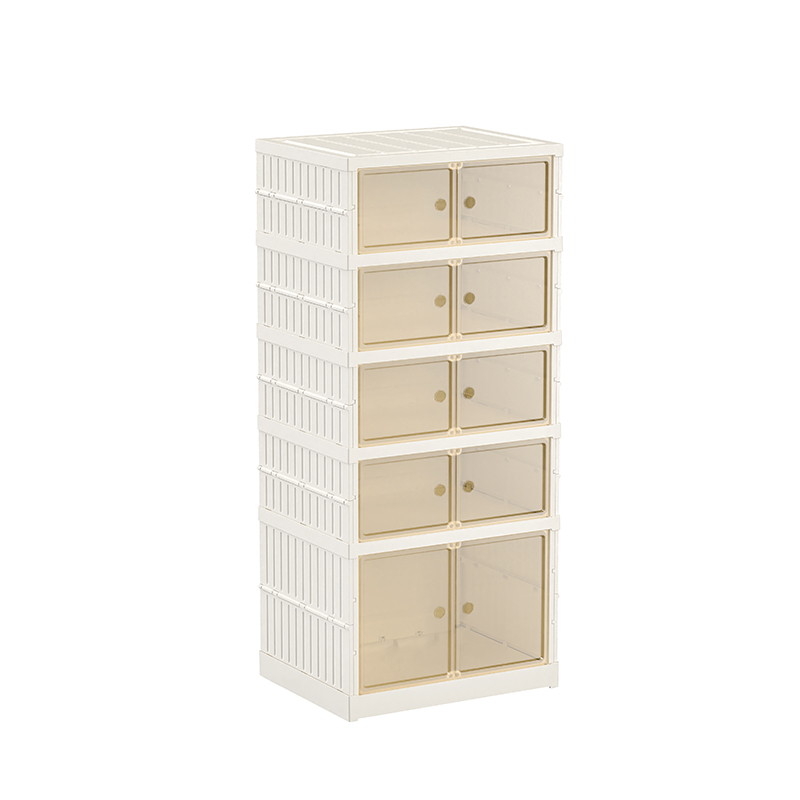
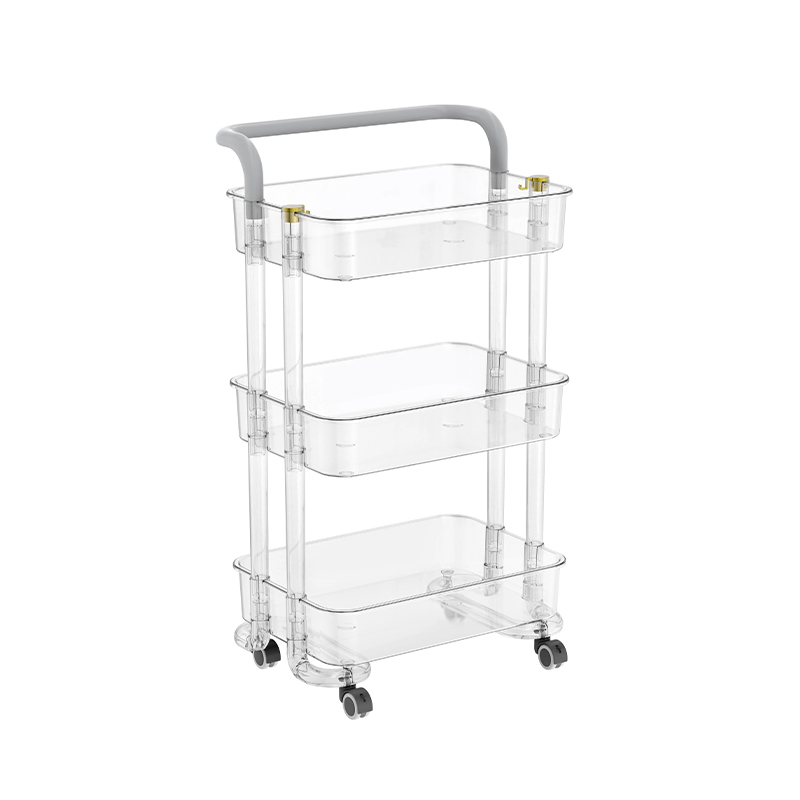
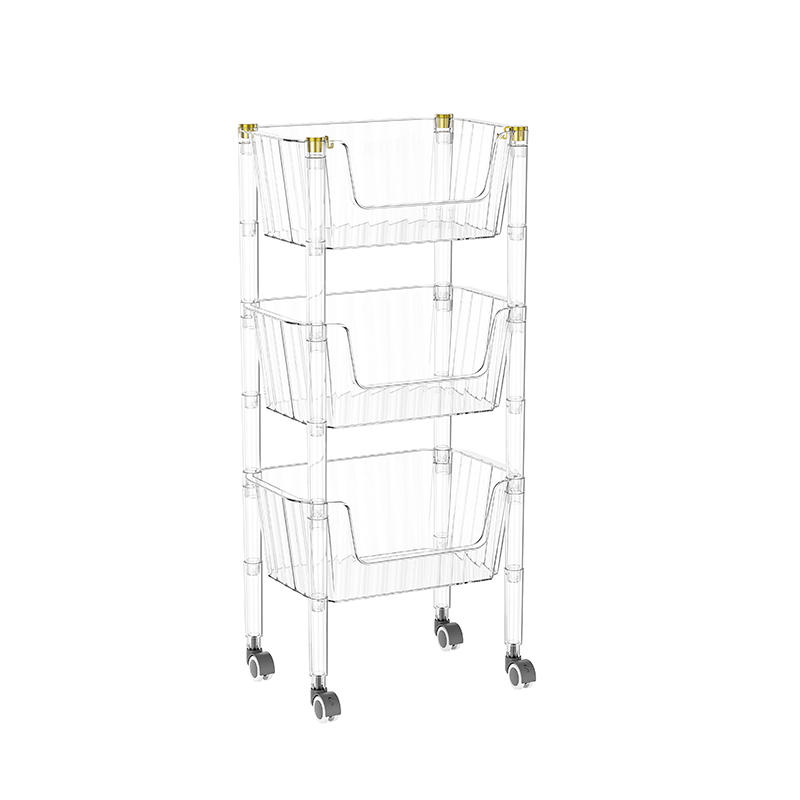
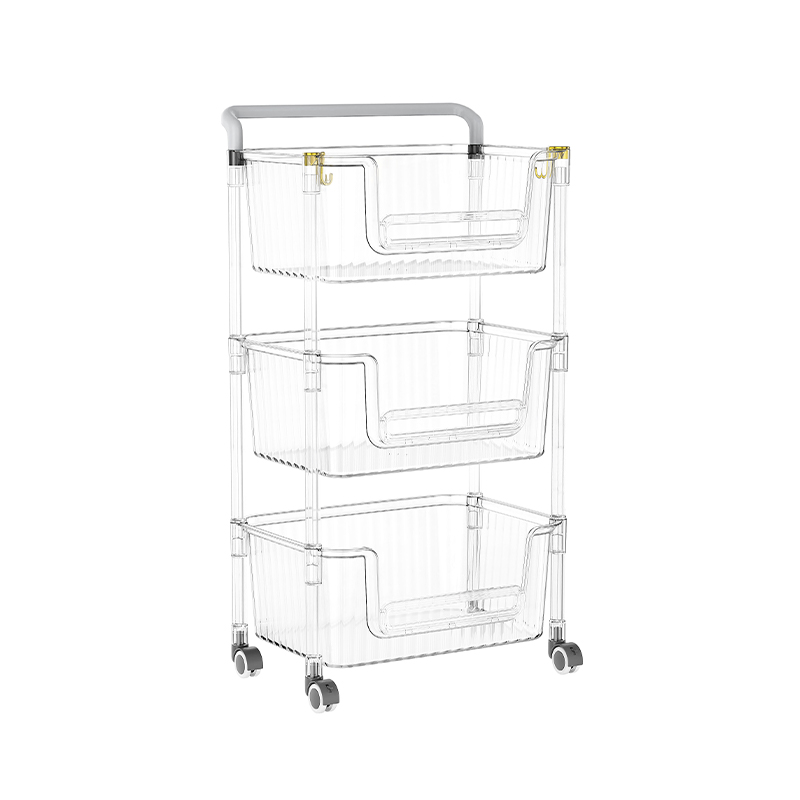
Multi-Purpose 6-Tier Foldable Storage Cabinet

Walk into any busy kitchen and you will see the same failure pattern: containers piled unevenly, lids that do not match their bases, and produce hidden behind opaque plastic until it spoils. Buying another set of boxes rarely fixes the problem, because the real issue is that the storage system was never matched to how the kitchen actually works. As a manufacturer of food-grade plastic household products, we observe this in our customers' feedback every week. A reliable kitchen storage system starts with four decisions made together: food-contact material, stackable geometry, clear visibility, and freshness management. Each decision is explained below, and the final section gives a practical checklist for anyone purchasing kitchen plastic storage, whether for a single household or a wholesale import program.
The plastic itself decides whether a container is safe for food, durable in daily use, and transparent enough to show what is inside. Food-grade PET is the most common choice for clear fridge boxes because it combines strong clarity with light weight and dependable performance in cold, humid conditions. Polypropylene (PP) is also food-safe and more flexible, but it tends to look cloudier, which is why it appears most often in lids, handles, and internal parts rather than in clear walls. ABS offers higher impact strength and is usually reserved for frames, drawers, and mobile carts around the storage system, not for surfaces that touch food directly.
Buyers should ask for food-contact documentation on any plastic that touches food, and should check the material code on the base of the container. PET containers that meet food-contact requirements can be used for vegetables, leftovers, eggs, and other refrigerated items without concern. The table below summarizes the differences that matter when you compare products.
| Material | Clarity | Typical use in kitchen storage | Keep in mind |
|---|---|---|---|
| PET | High, glass-like | Clear fridge boxes, stackable bins, drain boxes | Food-contact rated; avoid high heat |
| PP | Moderate, slightly milky | Lids, internal trays, foldable cabinets | More flexible; lower transparency than PET |
| ABS | Opaque | Cart frames, drawers, structural parts | High impact strength; not for direct food contact |
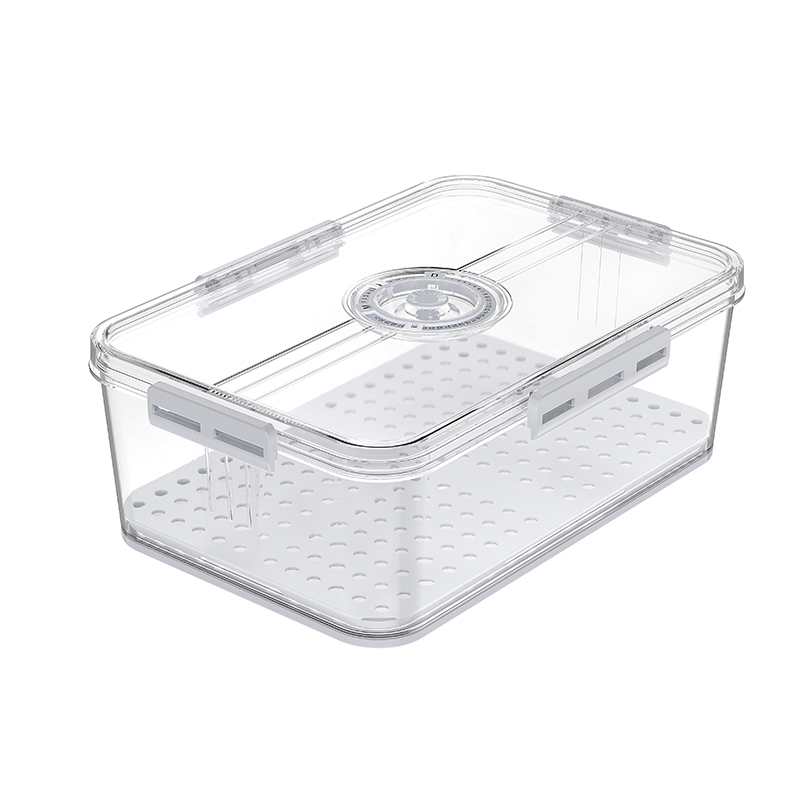
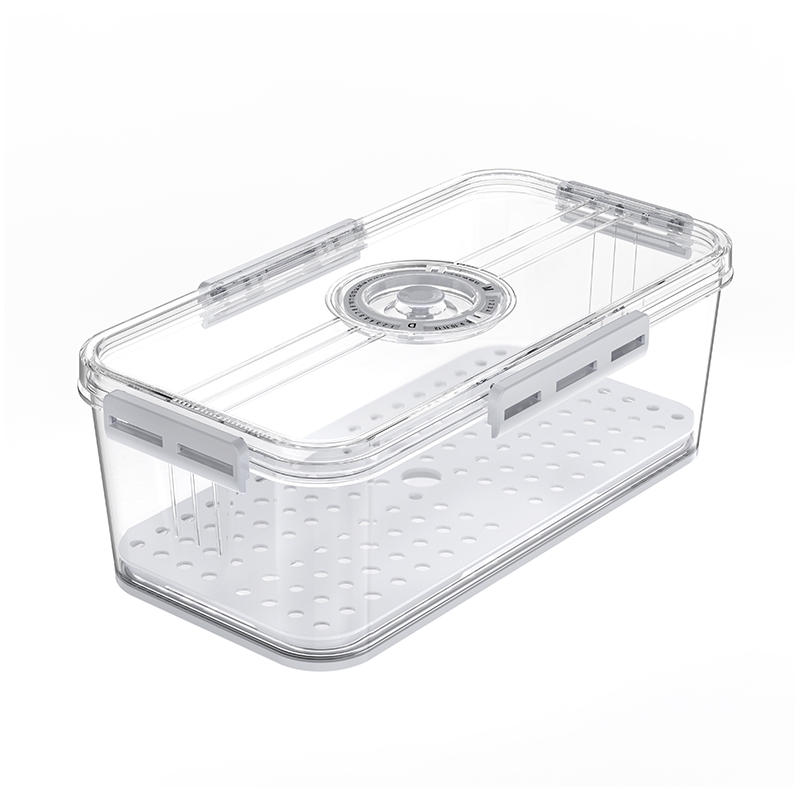
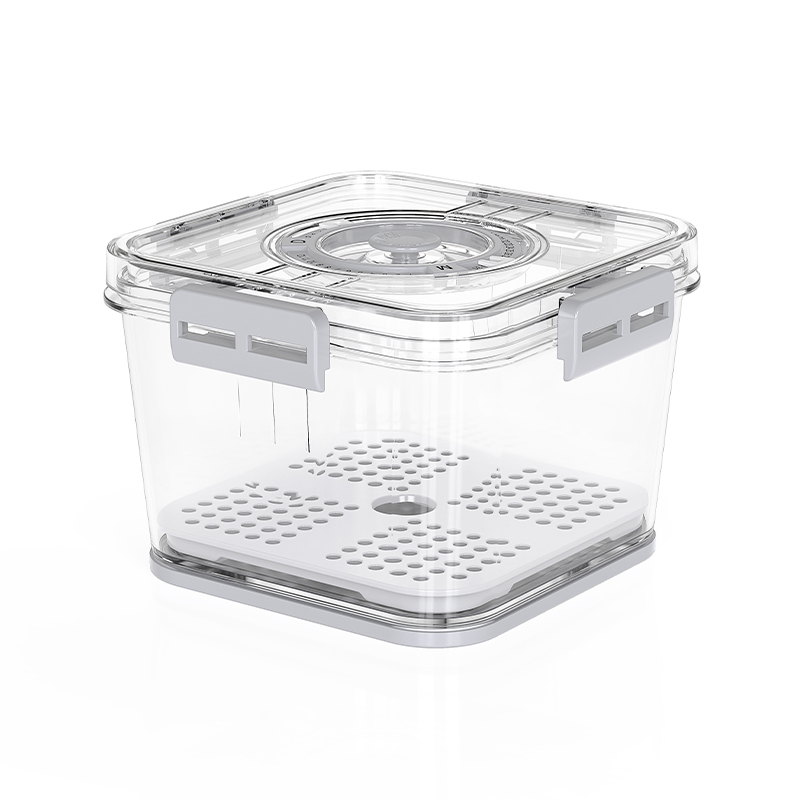
So this is why a product such as the medium stackable PET fridge food storage box with drain board is specified in PET: it sits in the fridge, holds freshly washed produce, and needs to stay clear after many wash cycles.
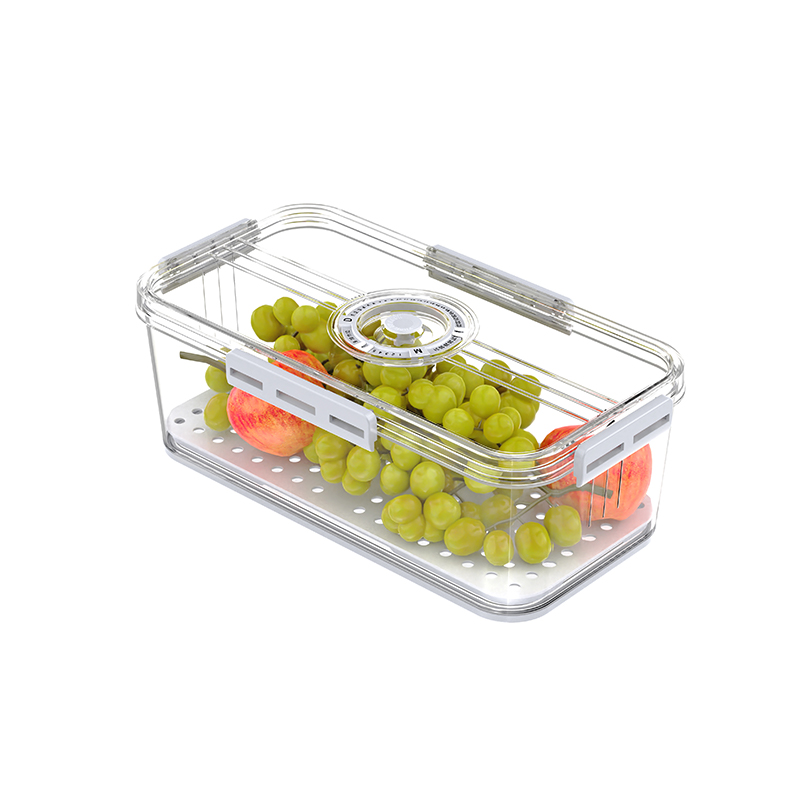 Medium Stackable PET Fridge Food Storage Box with Drain BoardThis clear, stackable PET container with an integrated drain board keeps produce elevated for airflow and visibility. It maximizes vertical fridge space while allowing quick identification of contents, reducing forgotten leftovers and spoilage.View Product →
The second conclusion is just as direct: if a container cannot stack or show its contents, it will not solve a space problem, no matter how good the material is. Stackable containers with flat rims and reinforced bases let a fridge hold three or four layers in the space that would otherwise hold one. Transparent walls multiply that effect because every member of the household can identify leftovers and ingredients without opening each box. In practice, a clear, stackable box cuts the time spent searching the fridge and reduces the chance that food gets forgotten behind taller items.
Three design details do most of the work:
Produce stored with a drain board stays crisper because air can circulate around the food instead of sitting in a shallow pool of water. The complete kitchen plastic storage product range follows this stacking logic across different capacities, so boxes of different sizes can share the same vertical system in the fridge and pantry.
Mechanical freshness features such as a date dial or a vacuum seal change how a household manages food. Instead of guessing how long leftovers, eggs, or deli items have been in the fridge, you see the elapsed time or remove the air that causes spoilage. These features add little to the cost of a container, but they have a measurable effect on food waste.
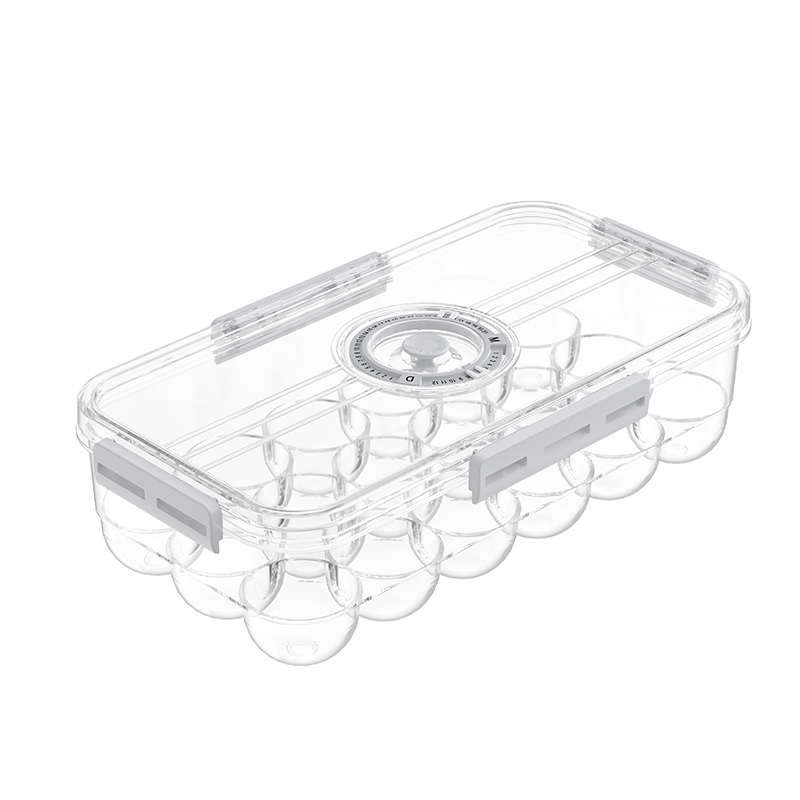
An egg bin is a good example. Eggs arrive with a pack date, but once the carton is gone, nobody tracks them. The stackable 18-count egg storage bin with time tracker lid solves this with a simple date dial on the lid, and because it stacks, older eggs can be rotated to the front without losing track.
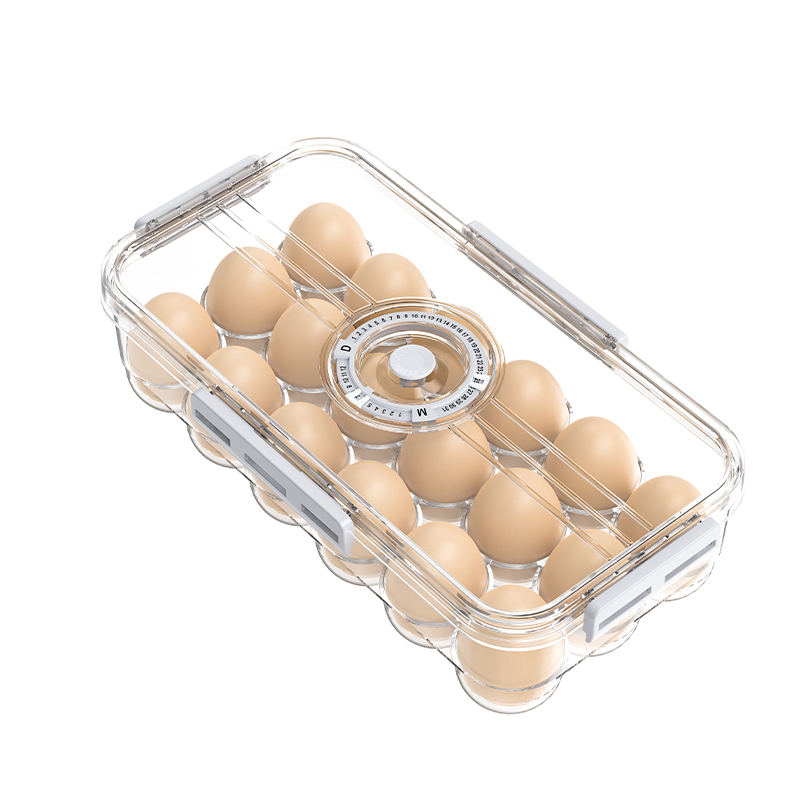 Stackable 18-Count Egg Storage Bin with Time Tracker LidFeaturing an 18-grid design and a built-in date dial on the lid, this stackable bin helps monitor egg freshness. The clear, BPA-free PET body and silicone seal keep eggs visible and odor contained, ideal for organized refrigerator rotation.View Product →
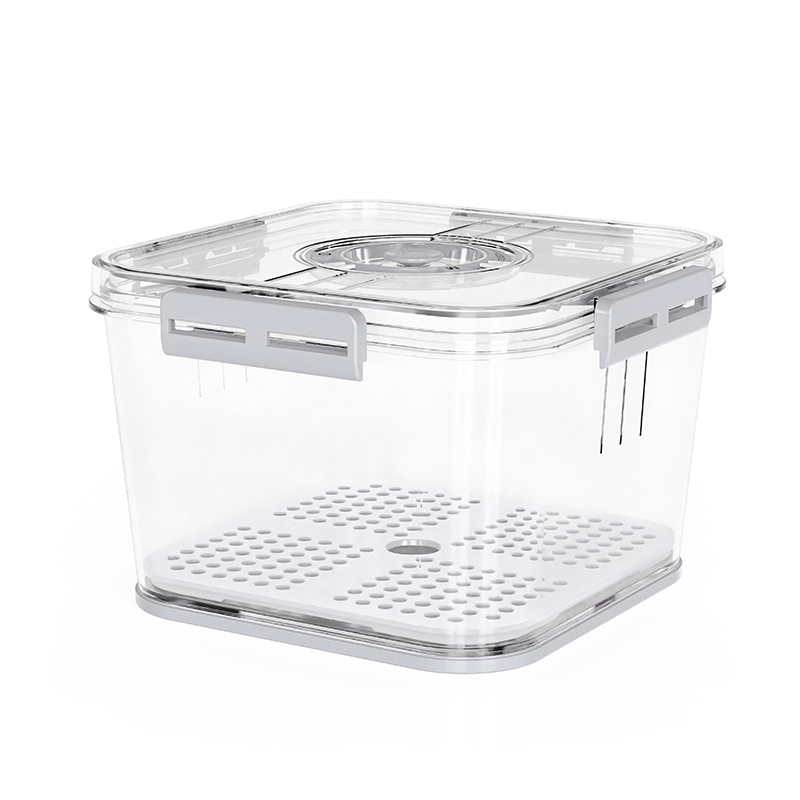
Vacuum storage is the second most useful feature for cooked food and deli items. Removing air slows the oxidation that degrades flavor and texture. A medium vacuum fridge food storage box delivers that benefit without a separate vacuum machine, which makes it practical for everyday use.
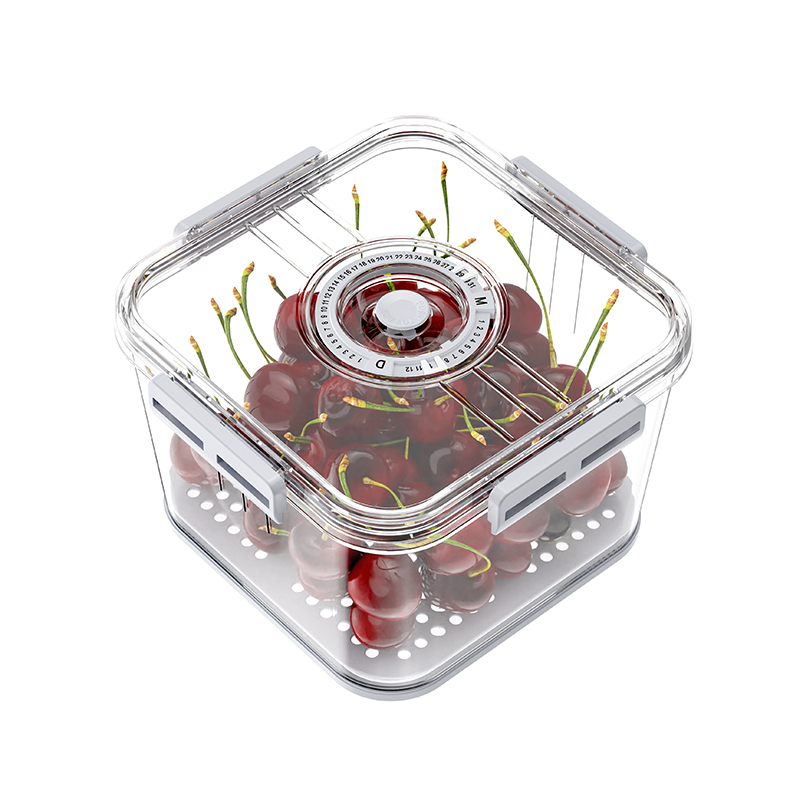 Medium Vacuum Fridge Food Storage BoxThis medium vacuum storage box removes air to slow oxidation and extend the shelf life of prepared foods and deli items. It offers an airtight seal without needing a separate machine, making it a practical, stackable solution for everyday meal prep.View Product →
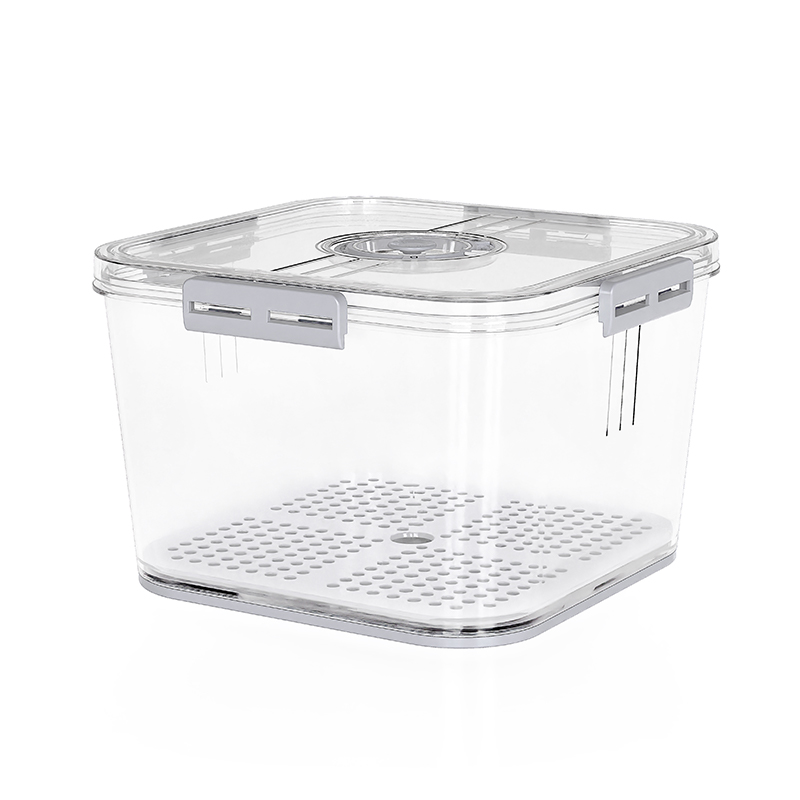
Timer-controlled containers extend the same idea to a wider group of leftovers. A stackable fridge timer control box can be dedicated to meal prep or to ingredients that need to be eaten within a set number of days; when the dial reaches the limit, you know exactly what to use next. For a room-by-room workflow, read this guide on using kitchen plastic storage for kitchen classification and organization.
Kitchen plastic storage looks simple until you test the details. Use this checklist before a purchase decision, whether you are outfitting one kitchen or placing a wholesale order.
The same design can perform very differently depending on how it is manufactured. Injection molding with controlled wall thickness produces rims that seal, corners that resist cracking, and stacking surfaces that line up correctly box after box. A warped rim, a cloudy wall, or a fragile hinge is almost never a design failure; it is a production failure. In our facility, 50 general-purpose injection molding machines and six auxiliary systems run with centralized material handling, which is how we keep dimensional consistency across export orders. For a buyer, that distinction matters because a defective batch costs time, creates returns, and erodes confidence in the product line. Asking a supplier about machine capacity, mold maintenance, and quality inspection is not a formality; it is a direct way to predict whether the containers will perform as expected.
Kitchen plastic storage is a daily-use item, so the cost of a bad choice repeats itself every day. Start with food-grade material, require stackable and visible design, add a freshness feature where your kitchen needs it, and verify that the supplier can reproduce the same quality at scale. When those four conditions are met, storage containers become a quiet, working part of an organized kitchen rather than another source of clutter.


Zhangqi Industrial Park, Cixi City, Ningbo City, Zhejiang Province

