
 Search for...
 English
 Español
 日本語
日本語
 한국어
한국어
 عربى
عربى
Multi-Purpose 6-Tier Foldable Storage Cabinet

Three months after moving into a house with a two-car garage but no shelving, the floor was a grid of collapsing cartons, loose tools, and seasonal decorations wrapped in trash bags. The fix was not another trip to buy whatever bins were on sale. Large stackable storage boxes only earn their keep when they stack without swaying, hold weight without bowing, and let you see what is inside without pulling the whole column apart. The short version: pick a consistent footprint, match the plastic to the load and environment, and treat the lid as part of the system. Those three decisions solve most storage failures before they happen.
Large is not simply a number on a volume sticker. A 60-liter box that bows under its own weight is less useful than a 40-liter box that holds a stable stack four boxes high. When you compare options, look at three numbers together: base footprint in centimeters, usable capacity in liters, and the maximum stacking height recommended by the manufacturer. A consistent footprint across different sizes is what lets you mix boxes on the same shelf without wasting the gaps.
| Size category | Usable capacity | Typical footprint | Stacking behavior | Common uses |
|---|---|---|---|---|
| Small | Under 20 L | 35 x 25 cm | 4-6 high | Pantry items, accessories |
| Medium | 20-40 L | 40 x 30 cm | 3-5 high | Kitchen cabinets, toys |
| Large | 40-70 L | 50 x 35 cm | 2-4 high | Pantry bulk, garage tools |
| Extra-large | Over 70 L | 60 x 40 cm | 1-3 high | Seasonal gear, bulky storage |
The practical takeaway: if you plan to stack large boxes more than four high, use a cabinet frame or boxes with reinforced rims. Free-standing stacks are fine for medium loads. For heavy contents such as tools or canned goods, the lower boxes need straight walls and thick rims so the load transfers to the floor rather than deforming the box below.
Material decides how long a stack stays true and whether the box is safe for food. Three plastics dominate this category—PET, PP, and ABS—and each changes the buying decision.
| Property | PET | PP | ABS |
|---|---|---|---|
| Transparency | Excellent, glass-like | Translucent to opaque | Opaque |
| Impact strength | Good | Good | Excellent |
| Food-contact safety | Food grade | Food grade | Not primary food grade |
| Heat resistance | Moderate | Good | Good |
| Best use | Fridge and food storage, visible stacking | Everyday boxes, hinged lids | Carts, cabinets, structural frames |
PET is the default for food storage because it is clear and food-safe, so you can spot leftovers and pantry staples at a glance. It holds up well at fridge temperatures and keeps its shape when the rims are thick enough. PP weighs less and flexes more, which matters for hinged lids that open and close hundreds of times. ABS is the structural choice for mobile carts and multi-tier cabinets, where impact resistance and threaded bosses for wheels and shelves matter more than clarity. For a large stackable food-storage box in a fridge, a PET body with a sealing lid and an integrated drain board covers most daily needs.
These five checks catch most purchasing mistakes before you fill a shelf with boxes that do not cooperate.
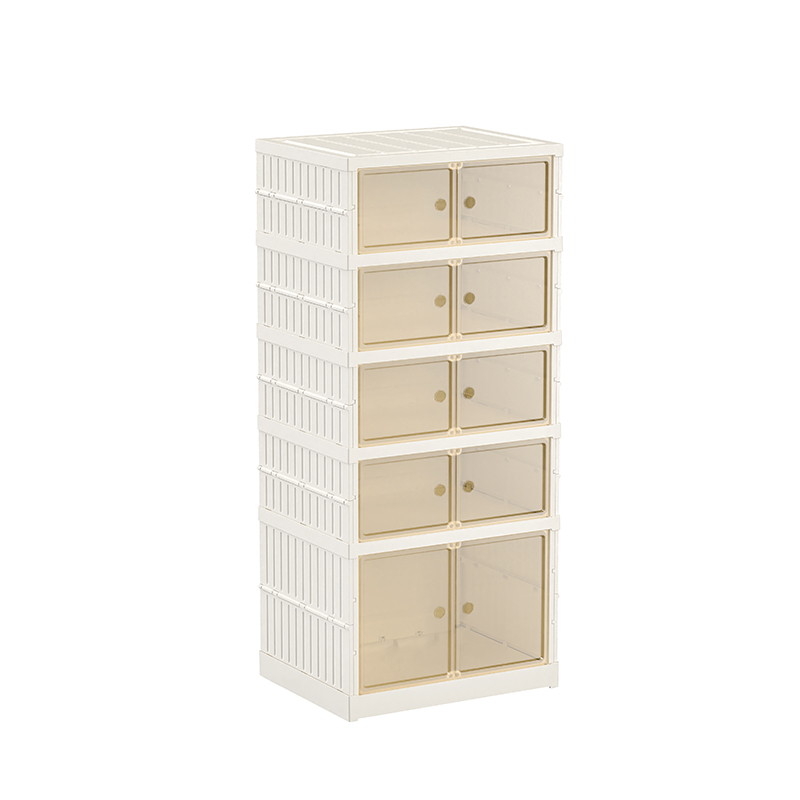
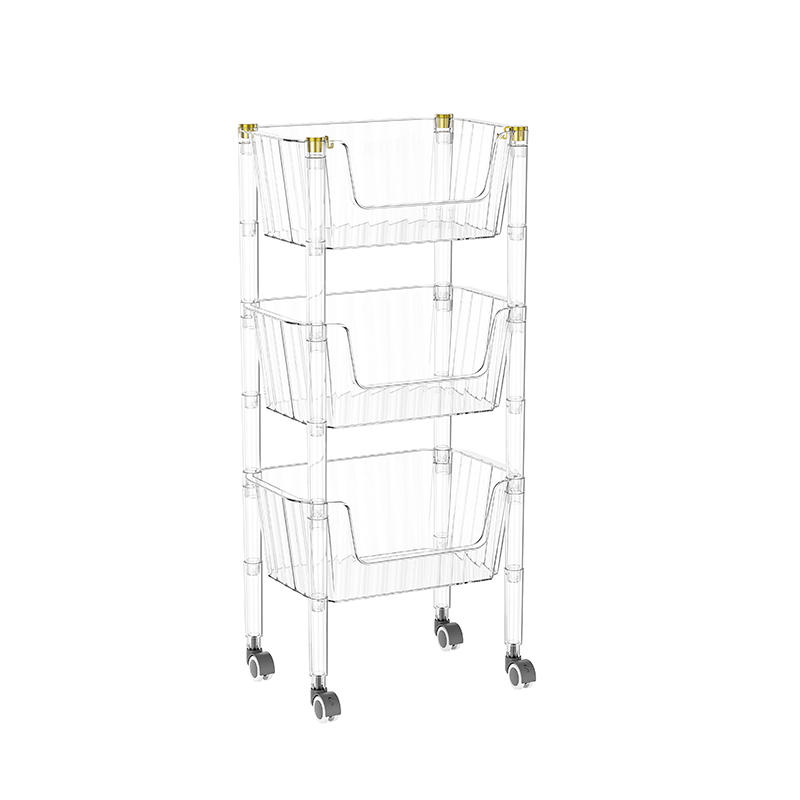
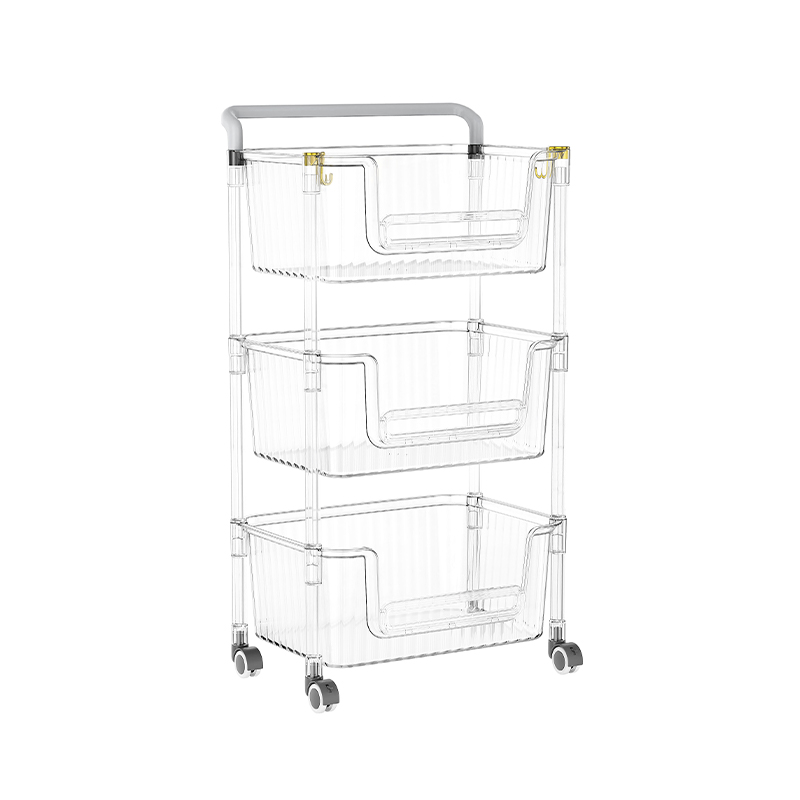
Large stackable storage boxes prove their value only when they match the room they live in. In a garage or utility area, impact resistance and a stable footprint matter more than clarity. A foldable six-tier cabinet turns a narrow wall strip into dedicated zones for tools, cleaning supplies, and car-care items, and it can be collapsed when you need the floor space back.
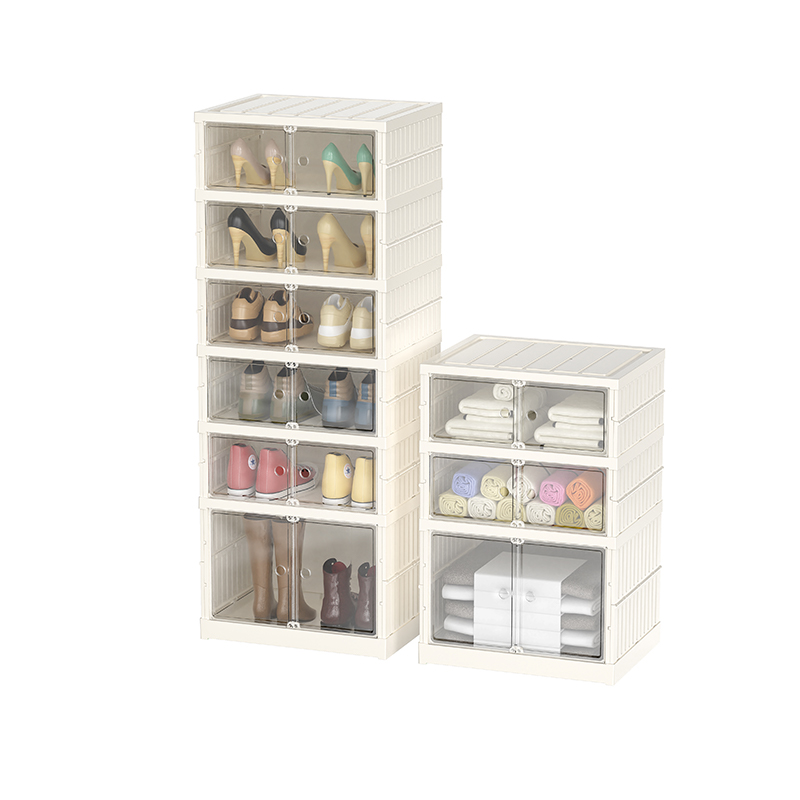 Multi-Purpose 6-Tier Foldable Storage CabinetThis foldable six-tier cabinet turns narrow wall space into dedicated zones for tools, cleaning supplies, or clothes. Its clear doors provide visibility, and it collapses flat when floor space is needed.View Product →
In a kitchen or fridge, the priorities flip: transparency, food safety, and moisture control become critical. High-capacity boxes with a built-in drain board let you wash berries or greens and move them straight into storage, which removes an extra dish from the routine.
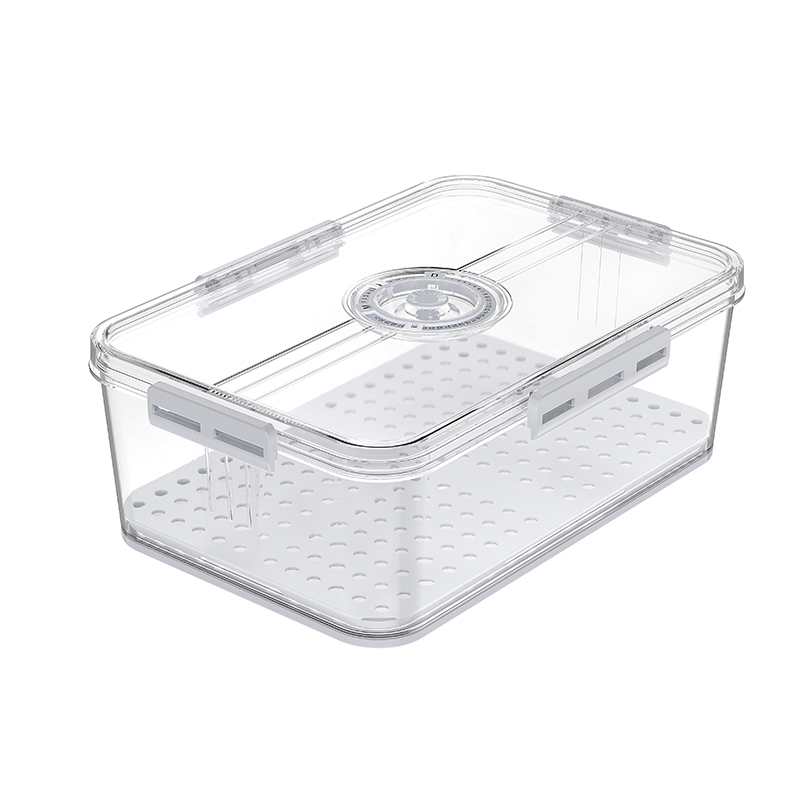
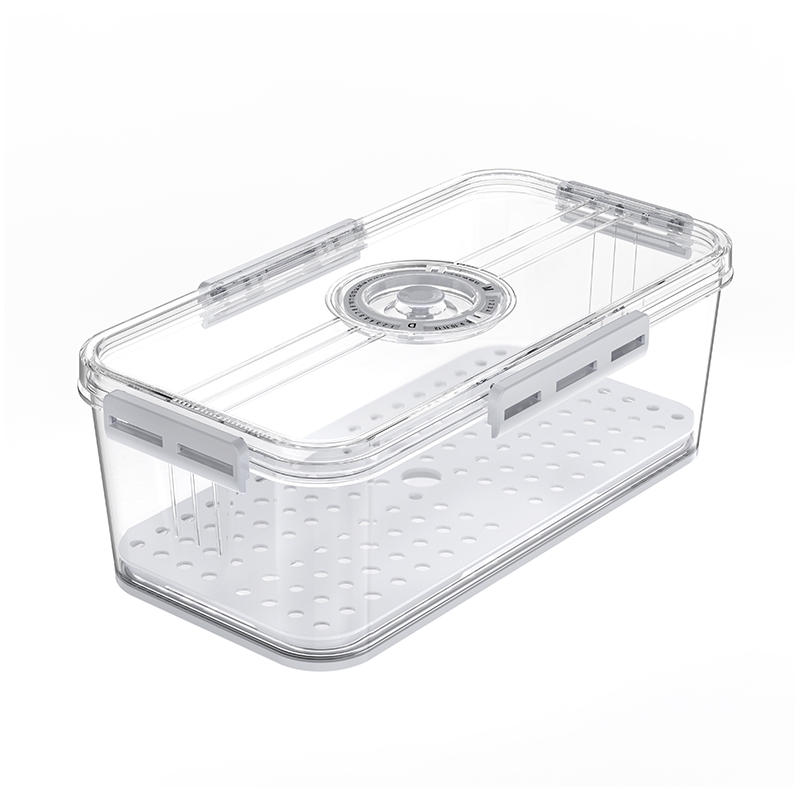
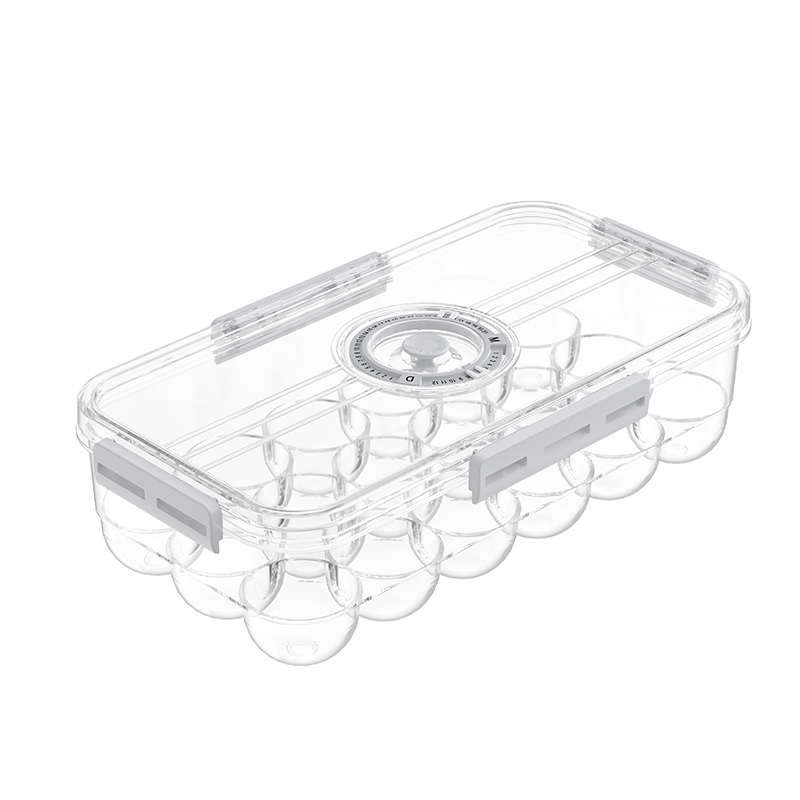
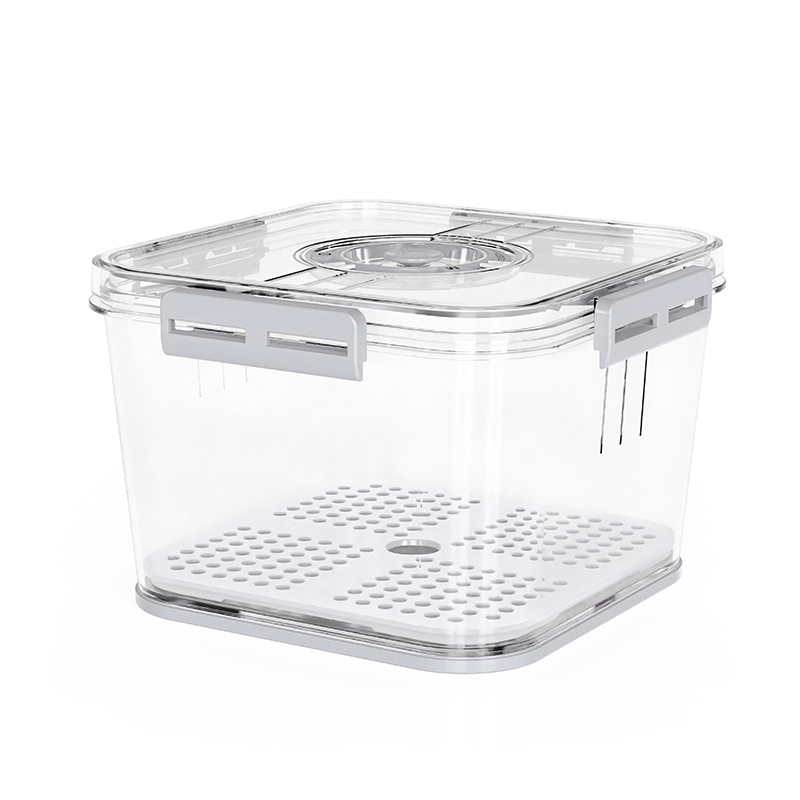
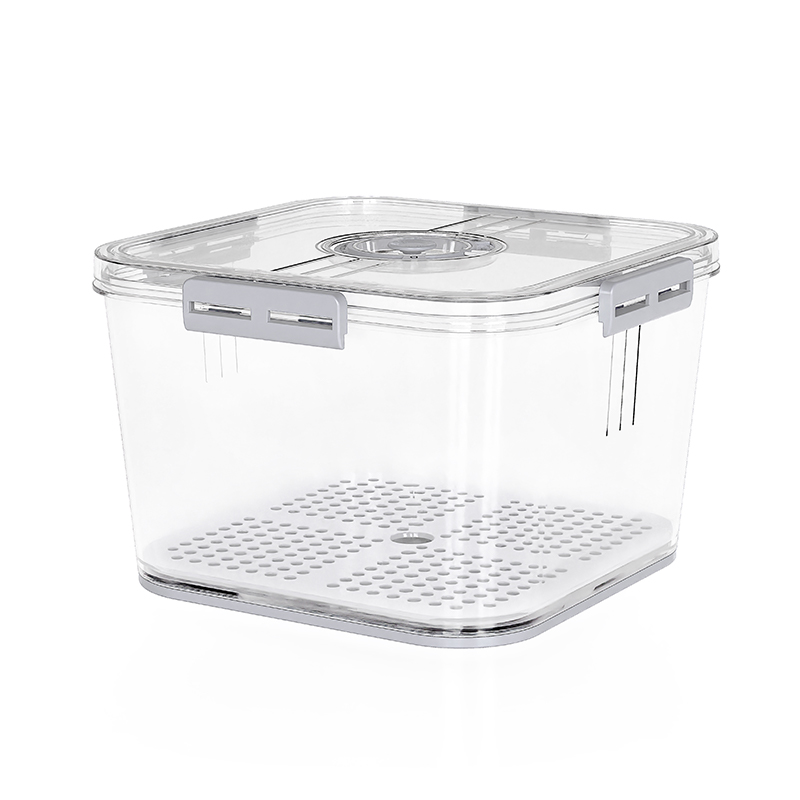
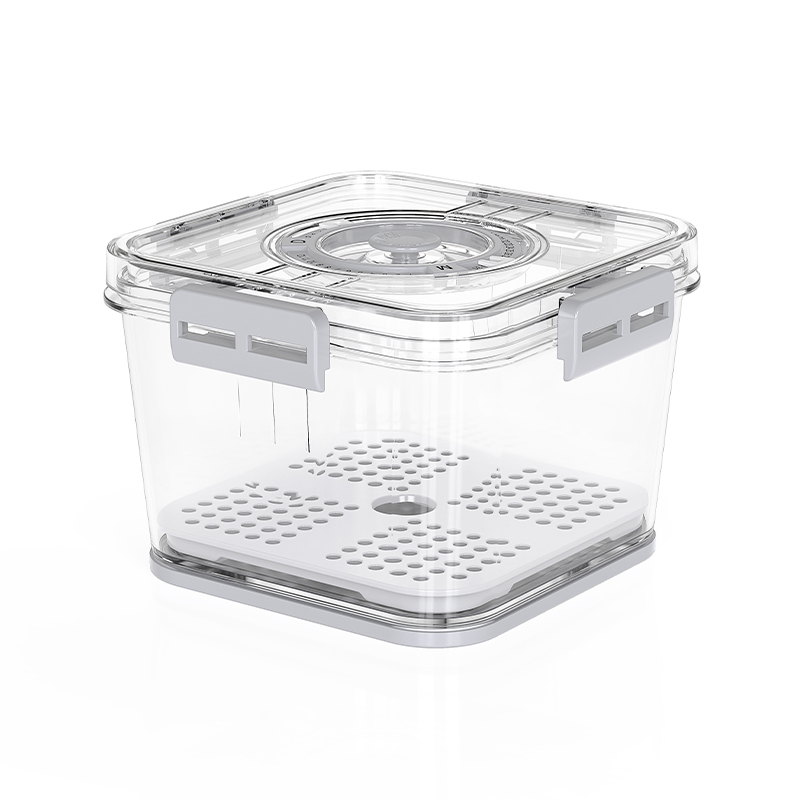
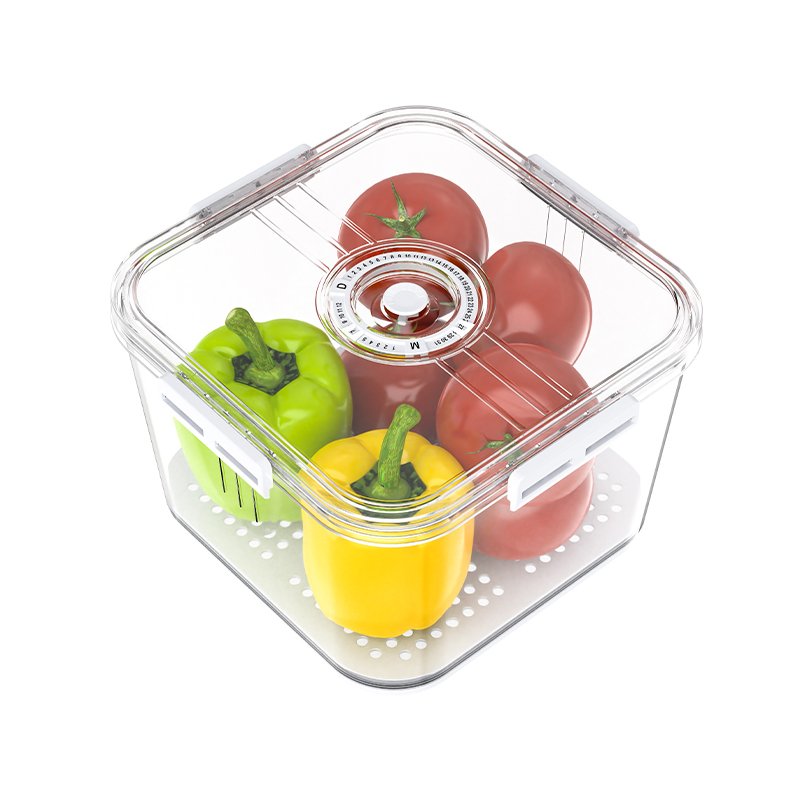 High Capacity Fridge Timer Control Storage Drain BoxA large refrigerator container with a built-in timer on the lid, a removable drain tray for washing produce, and an airtight seal. The stackable design helps keep kitchen items fresh and organized.View Product →
A stackable timer-control box is especially useful in a fridge, where it is easy to forget which container holds the leftovers from three days ago—the lid tracks the date for you and keeps the stack stable. For a closer look at how a sealed PET box performs compared with other storage options, the short answer is that a rigid PET body paired with a sealing lid limits air exchange and moisture loss, which keeps contents fresher for longer.
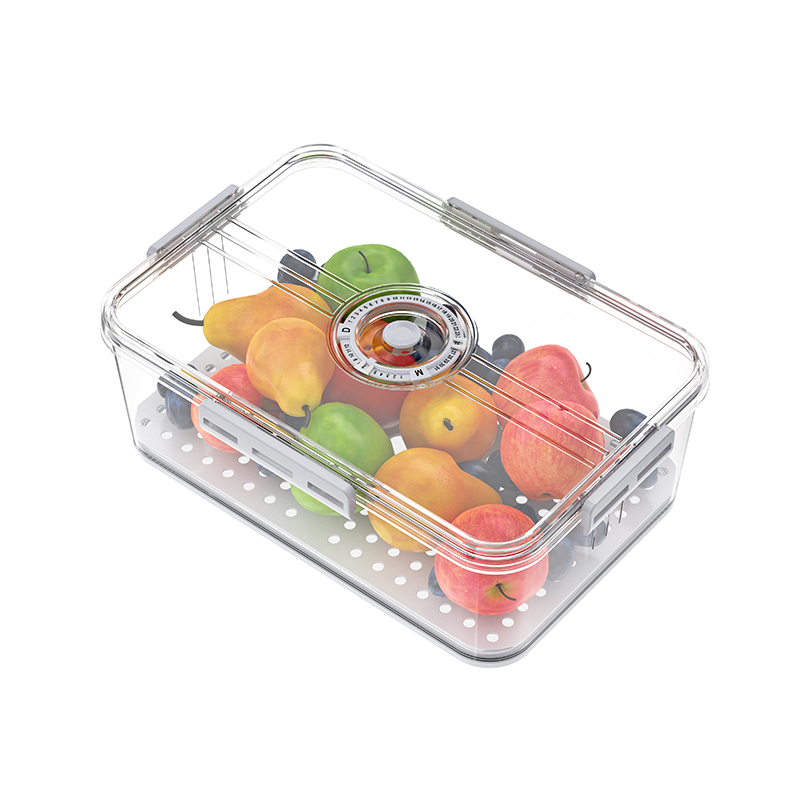 Stackable Fridge Timer Control BoxA stackable food storage box with a timer-integrated lid to track freshness, a four-sided locking seal, and durable food-grade materials. Compact dimensions suit fridges, prep areas, and office desks.View Product →
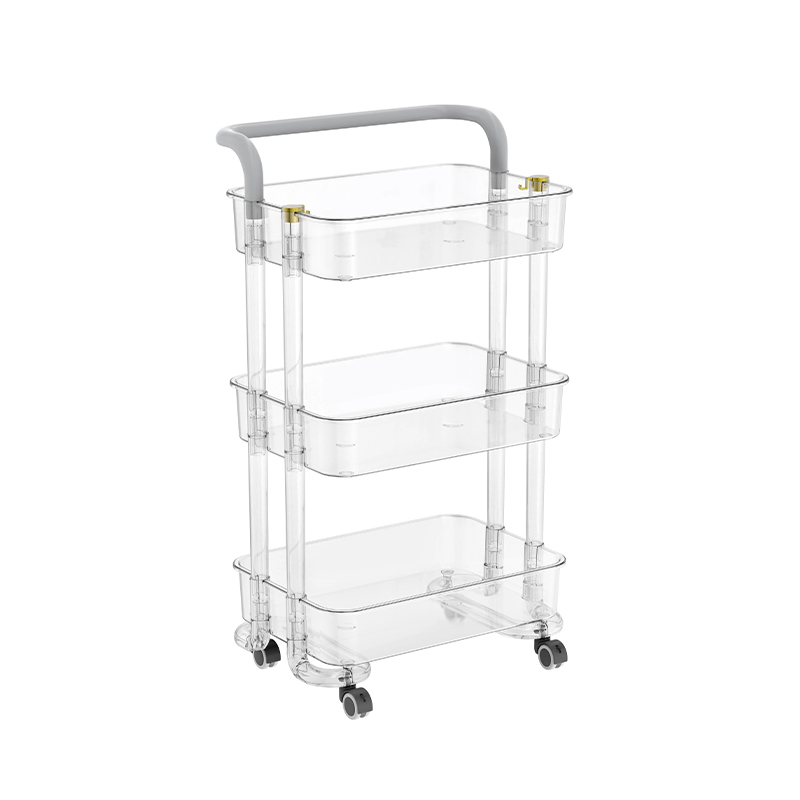
For closets and bedrooms, carts with clear drawers give a mobile, stackable system for folded clothes, bags, and accessories, and they let you roll the whole unit toward the sorting table.
Instead of guessing, measure the area first. Take the width, depth, and usable height of the shelf or floor space where the boxes will sit. Choose a box footprint that fits with at least 2-3 cm of clearance on each side. Divide the available width by the box width, and the available depth by the box depth, then multiply the two results to get boxes per layer. Multiply that by the number of layers you can reach comfortably—two or three for most people. The result is the starting quantity.
For a 120 cm wide, 60 cm deep, and 180 cm high shelf area with a 50 x 35 x 40 cm box, the math is: 120 divided by 50 equals 2 boxes per row, 60 divided by 35 equals 1 box deep, and 180 divided by 40 equals 4 layers, for a total of 8 boxes. Order one extra for items that do not fit your categories, and leave a little air at the top of each stack so boxes are easy to lift.
A stack stays stable only when the individual boxes stay clean and undamaged. Wash food-contact boxes in warm water with mild detergent and dry them fully before stacking; damp stacking traps moisture and invites odors. Do not drag full boxes across rough concrete—lift them or use a trolley. Inspect rims and lids every few months, and replace any box whose rim has cracked; a cracked rim will not carry the load above it. For a step-by-step routine, see how to clean and maintain home plastic storage organization.
The difference between an organized room and a recurring mess usually comes down to three decisions made at the start: a consistent footprint, a material matched to the load and environment, and lids that keep contents visible and protected. Large stackable storage boxes work best when they are treated as a system—measure the space, choose one footprint, and stack within the rated height. Do that, and a wall of clear, sturdy boxes will save time and frustration for years.


Zhangqi Industrial Park, Cixi City, Ningbo City, Zhejiang Province

