
 Search for...
 English
 Español
 日本語
日本語
 한국어
한국어
 عربى
عربى
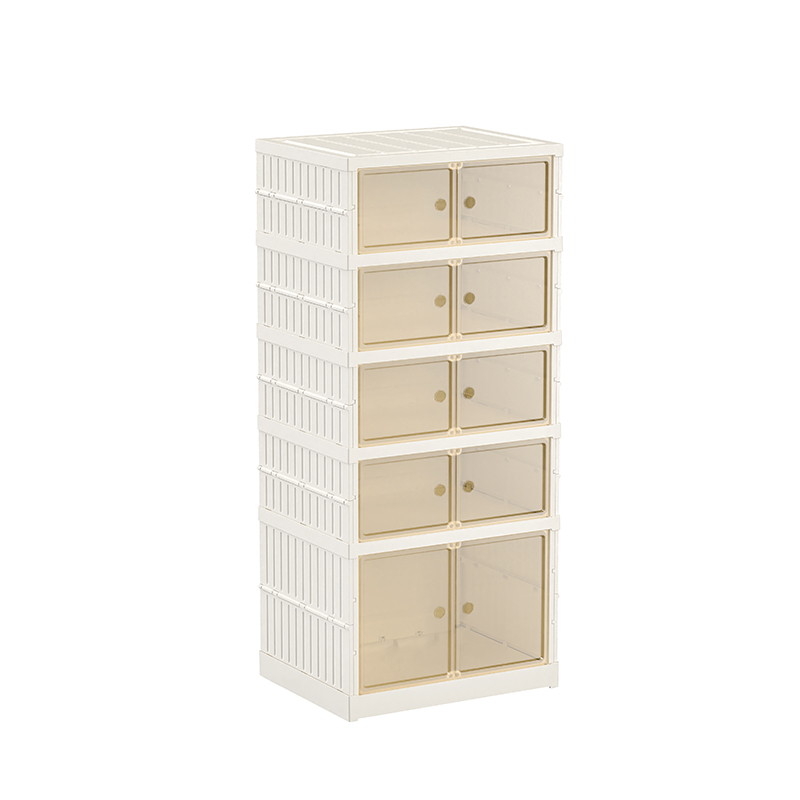
Multi-Purpose 6-Tier Foldable Storage Cabinet

Open most refrigerators and you will find the same friction point: a crowded shelf, a pile of mismatched take-out boxes, and at least one container whose lid disappeared months ago. The average household loses more usable space to disorganization than to a shortage of room. Stackable plastic containers address that problem directly: they let you store upward instead of outward, keep contents visible, and form stable columns that do not collapse every time you reach for the milk.
That is the short version. The longer version involves materials, seals, stacking geometry, and cleaning habits — and those details decide whether your container system lasts five years or five months. The guidance below explains how to choose stackable plastic containers that work as a system rather than as individual boxes.
The principle behind stackable plastic containers is straightforward: a kitchen has a fixed shelf footprint, but the vertical column above that footprint is usually underused. When containers share a consistent base size and stacking geometry, a shelf that previously held one box can hold three, and a refrigerator shelf can store several days of prepared food without a leaning tower.
The practical impact shows up in daily routines. Households that adopt a uniform stacking system spend less time hunting for ingredients, waste less food, and keep the fridge cleaner. The change does not come from buying more containers; it comes from making the containers work together as one modular system.
Material determines whether a container is safe for food, how transparent it is, how much heat it tolerates, and how long it survives daily handling. Most stackable plastic containers fall into three material families: PET, polypropylene (PP), and ABS.
| Material | Clarity | Heat tolerance | Typical use | What to watch for |
|---|---|---|---|---|
| PET (polyethylene terephthalate) | High — glass-like transparency | Moderate; comfortable up to about 60 °C, not for boiling liquids or ovens | Clear fridge boxes, produce keepers with drain boards | Avoid boiling water and hot dishwasher cycles |
| PP (polypropylene) | Low to medium; often translucent or colored | Higher; tolerates warm water and top-rack dishwashing | Lids, flexible parts, everyday food boxes | Can become cloudy over time; less clarity than PET |
| ABS (acrylonitrile butadiene styrene) | Low; usually opaque | Moderate | Cart frames, drawer housings, structural bases | Less transparent; verify food-contact suitability for direct food storage |
For direct food storage in the refrigerator, PET is the material you will see most often in stackable containers, because it combines a glass-like look with food-safe performance at fridge temperatures. PP appears more frequently in lids and components that need flexibility or repeated opening. ABS shows up in load-bearing parts such as cart frames and cabinet structures. Whichever you choose, confirm it is food-grade and BPA-free before it touches unpackaged food; a product page that states the material and its food-grade status is a reliable sign.
The same product category performs very differently depending on design details. Six features separate convenient stackable plastic containers from the ones that end up in the back of a drawer.
Stacking height matters as much as geometry. A tall stack looks efficient on the shelf, but if lifting the top box destabilizes the rest, the design has failed its core job.
The same container will not serve every zone equally well. Matching the container to the food and the location is what makes the system feel effortless.
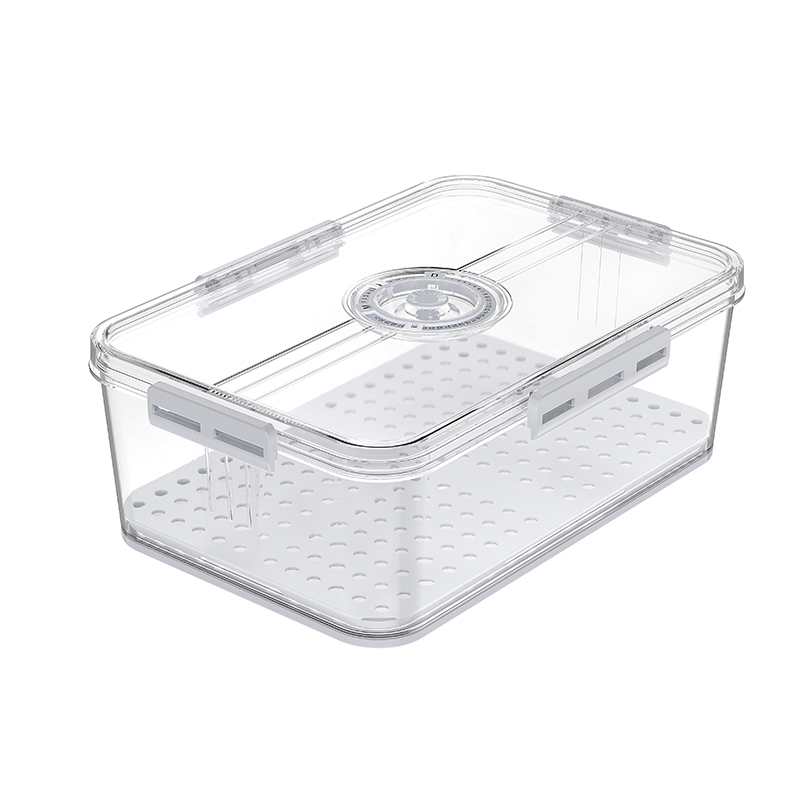
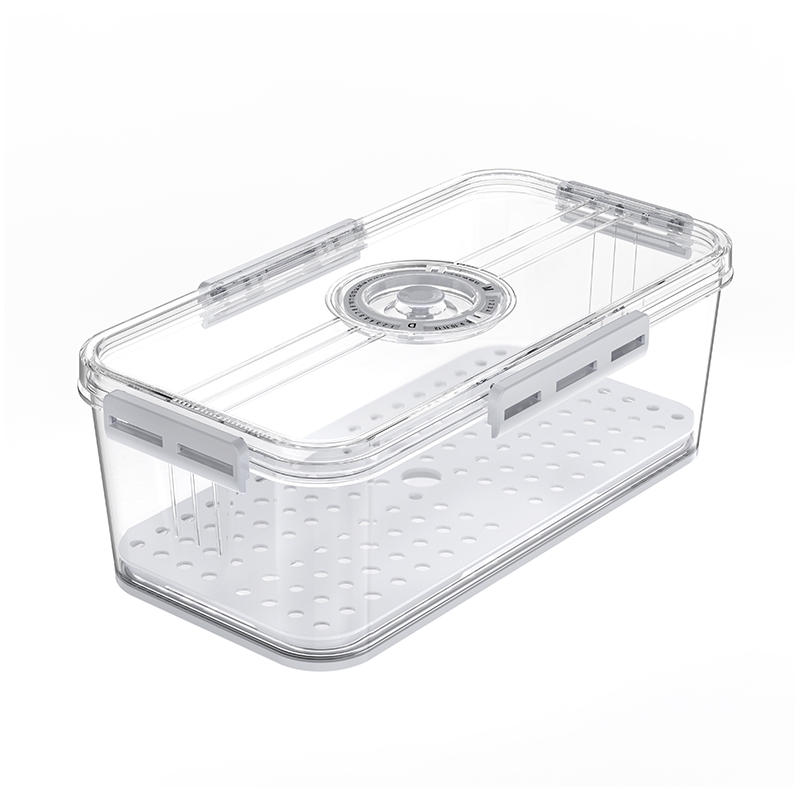
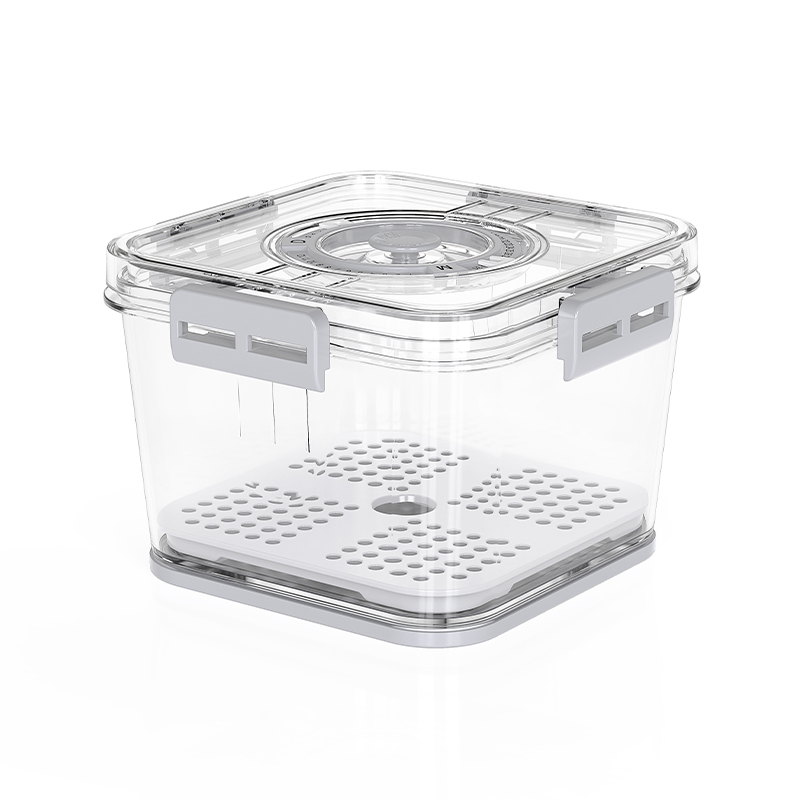
Fridge shelves reward containers that are visible, stackable, and easy to slide out. Clear PET boxes with a drain board make sense here: washed berries, herbs, and cut vegetables stay above the water instead of sitting in it, and transparent walls let you see the contents without breaking the stack. A medium stackable PET fridge food storage box with a drain board fits neatly on a standard shelf, and because the lid supports the next level, you can run two layers high without risking crushed produce.
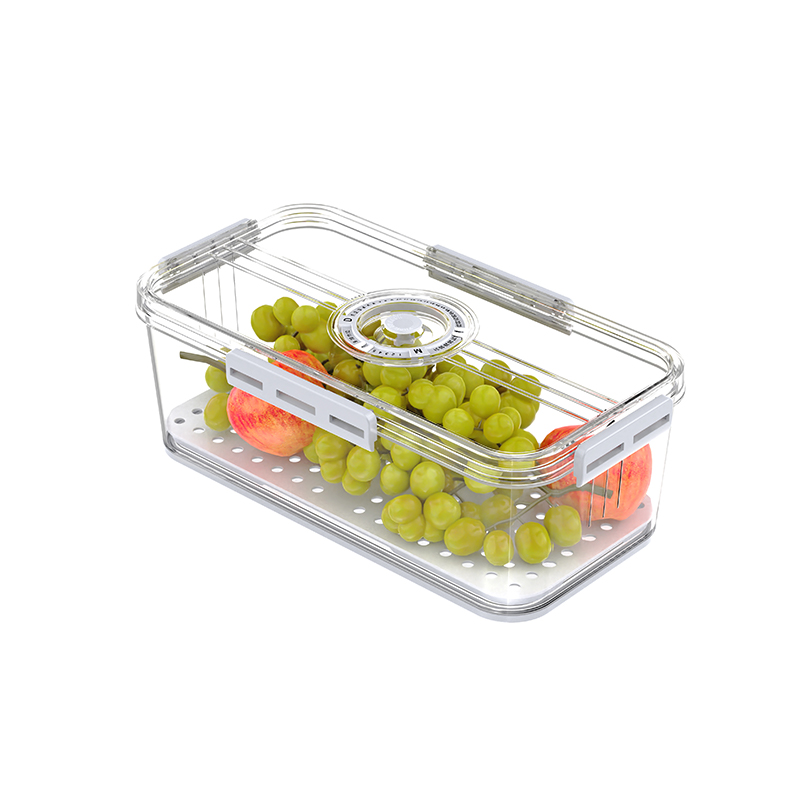 Medium Stackable PET Fridge Storage Box with Drain BoardThis clear PET container features a built-in drain board to keep produce above excess moisture, while its stackable design maximizes vertical fridge space and the transparent walls make contents easy to identify.View Product →
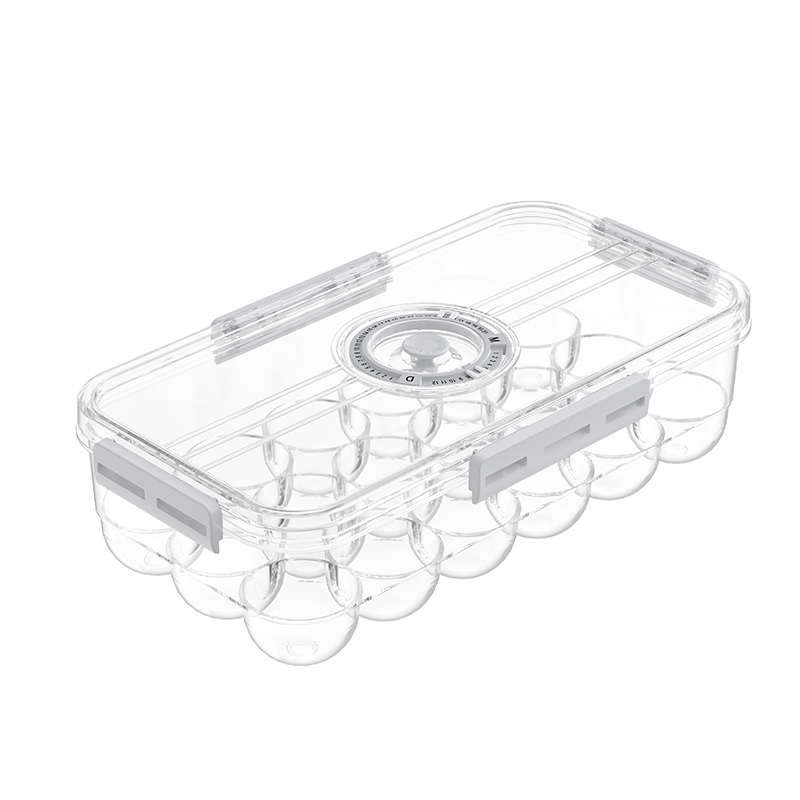
Eggs deserve a dedicated spot. A stackable egg storage bin with a time tracker lid does two things at once: it keeps shells from knocking against one another and gives you a visible reference for rotation. The flat lid profile also accepts another layer, so the bin stays stable whether it sits alone on the shelf or beneath a second container of small dairy items.
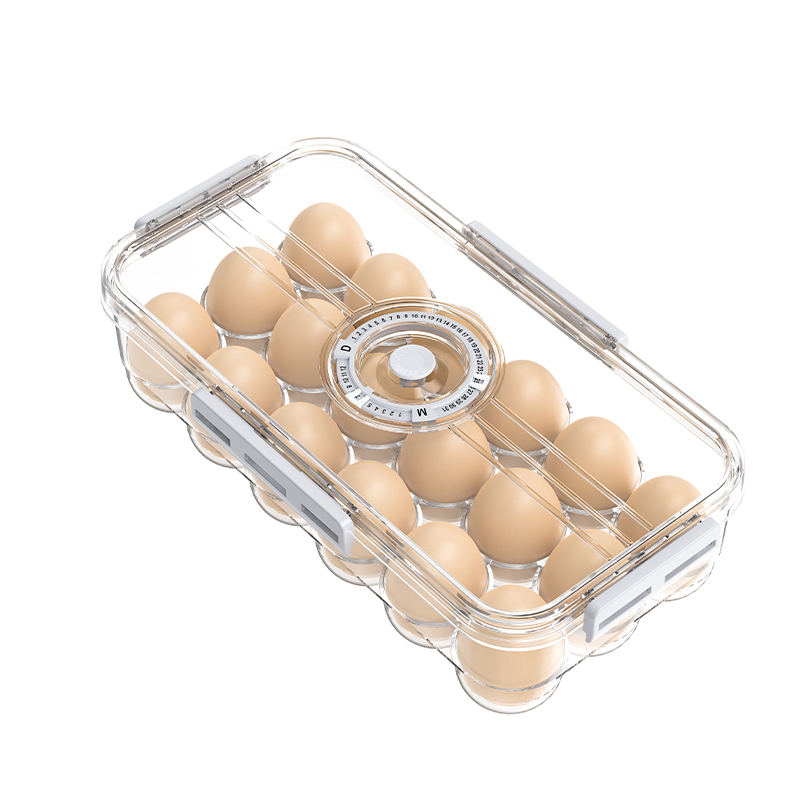 Stackable 18-Count Egg Storage Bin with Time Tracker LidWith an 18-grid layout and a lid that tracks time, this stackable bin keeps eggs organized and fresh, while the silicone seal prevents leaks and odors from spreading in the refrigerator.View Product →
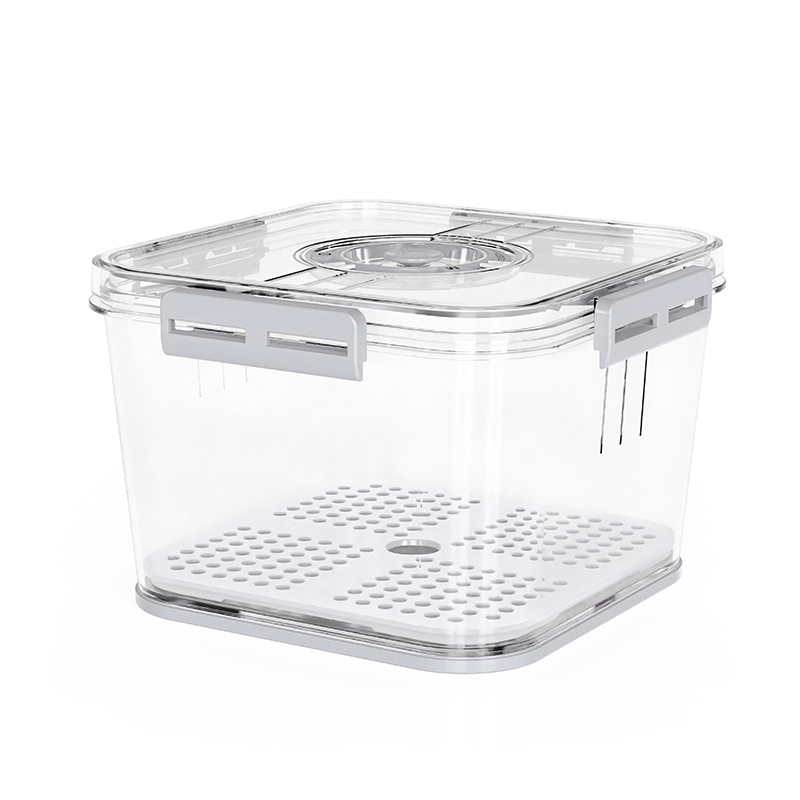
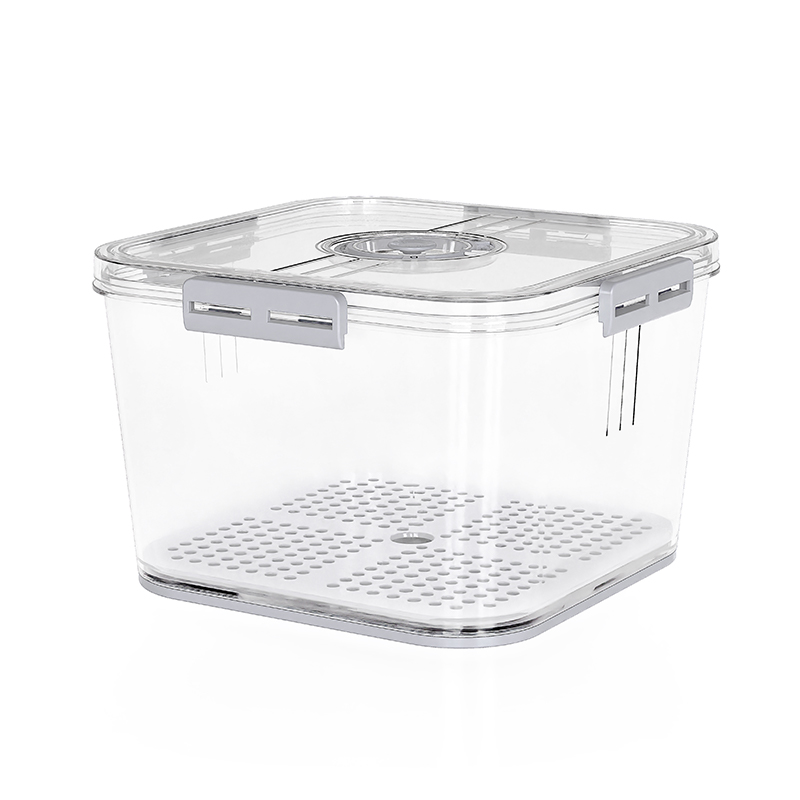
Cooked meals and meal prep need containers that keep portions separated and show their age at a glance. A stackable fridge timer control box lets you mark time on the lid, so last Thursday's stew is not discovered behind Friday's batch. The same logic works in the pantry: dry goods in clear, uniform stackable plastic containers create an inventory you can scan in seconds rather than a jumble of half-open bags.
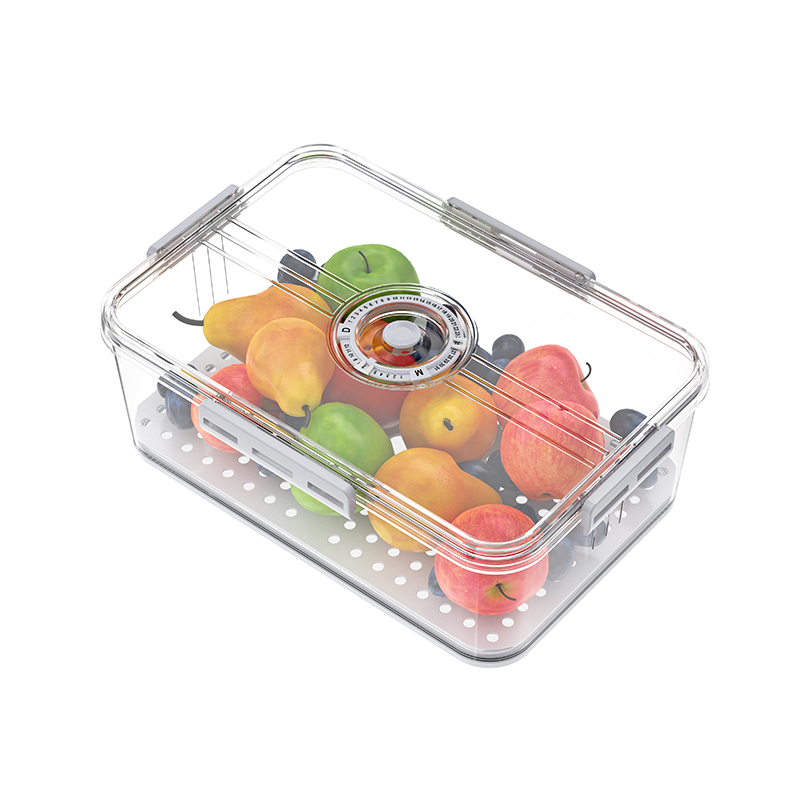 Stackable Fridge Timer Control Box with Airtight LidThis stackable container combines a timer lid with a secure four-sided locking system and silicone seal, helping kitchens track food age and prevent spoilage while optimizing limited storage space.View Product →
Stackable plastic containers fail in predictable ways: lids warp, bodies stain, and odors cling. Almost all of these failures are avoidable with a few habits.
If you want the full routine — which cleaning agents to avoid and how to remove stubborn stains from food-grade surfaces — our guide to cleaning and maintaining plastic storage organization covers it step by step.
The right stack height depends more on shelf clearance and the weight of the contents than on the container itself. Use this rough guide as a starting point.
| Container size | Typical capacity | Best storage location | Practical stack height |
|---|---|---|---|
| Small | 0.5–1 L | Fridge door, shallow pantry shelf | 3–4 units |
| Medium | 1–3 L | Fridge shelf, countertop | 3 units |
| Large | 3–5 L | Bottom fridge shelf, deep pantry | 2–3 units |
| Egg or specialty | 18-count or similar | Fridge door or dedicated shelf | 2 units |
Stackable plastic containers earn their place when the material matches the zone, the seal matches the food, and the stack height matches the shelf. If you are replacing a drawer of orphaned lids and unstable towers, start with a family of containers that stack together, and evaluate material, sealing, and cleaning habits in the same pass. The time you spend choosing deliberately pays back every day you open the fridge and actually find what you were looking for.
If you are planning a complete kitchen refresh, you can start with our complete range of stackable plastic storage solutions and compare container families side by side.


Zhangqi Industrial Park, Cixi City, Ningbo City, Zhejiang Province

