
 Search for...
 English
 Español
 日本語
日本語
 한국어
한국어
 عربى
عربى
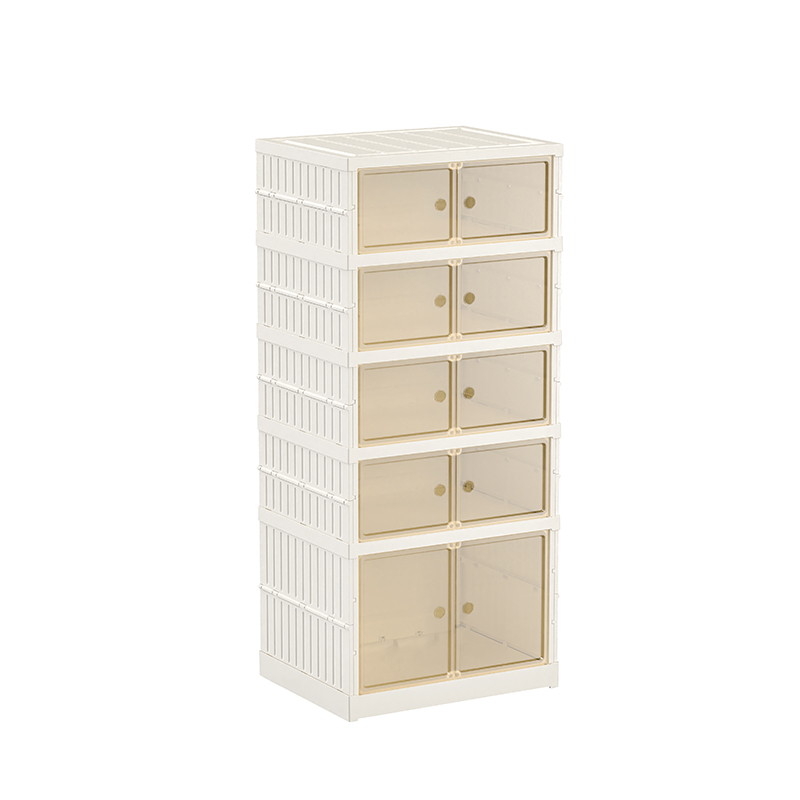
Multi-Purpose 6-Tier Foldable Storage Cabinet

Those wilting cucumbers and gray-edged lettuce in the fridge are not random. Oxygen and moisture trigger the enzymes, mold, and bacteria that break food down. A vacuum food storage box removes the oxygen, so produce, leftovers, and prepped meals stay usable much longer. That means less waste, fewer emergency trips to the grocery store, and a fridge that does not smell like last week's dinner.
Vacuum storage is not a new idea, but modern storage boxes make it easy to use at home. Instead of a separate chamber and special bags, a vacuum food storage box has a lid with a one-way valve. Press the valve or a small pump, and air escapes. The lid locks down and holds the container under negative pressure.
The effect comes from removing air, not from squeezing the food tighter. That simple change affects how fast food loses quality:
The result is a longer gap between “cooked” and “no longer worth eating.” That gives households more freedom to cook in batches, keep prepped ingredients on hand, and use leftovers before they become waste. The Orgwiser kitchen storage line includes a medium vacuum fridge food storage box that is designed for exactly this job. If you want to see how the same container material performs in a non-vacuum format, this comparison of the stackable PET fridge food storage box versus other storage options explains the differences in daily use.
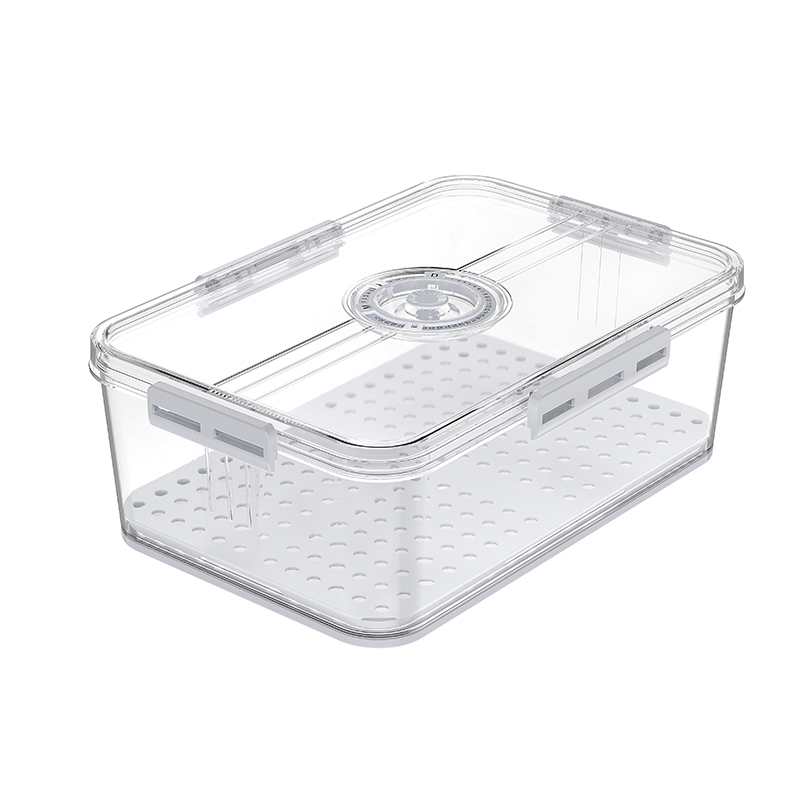
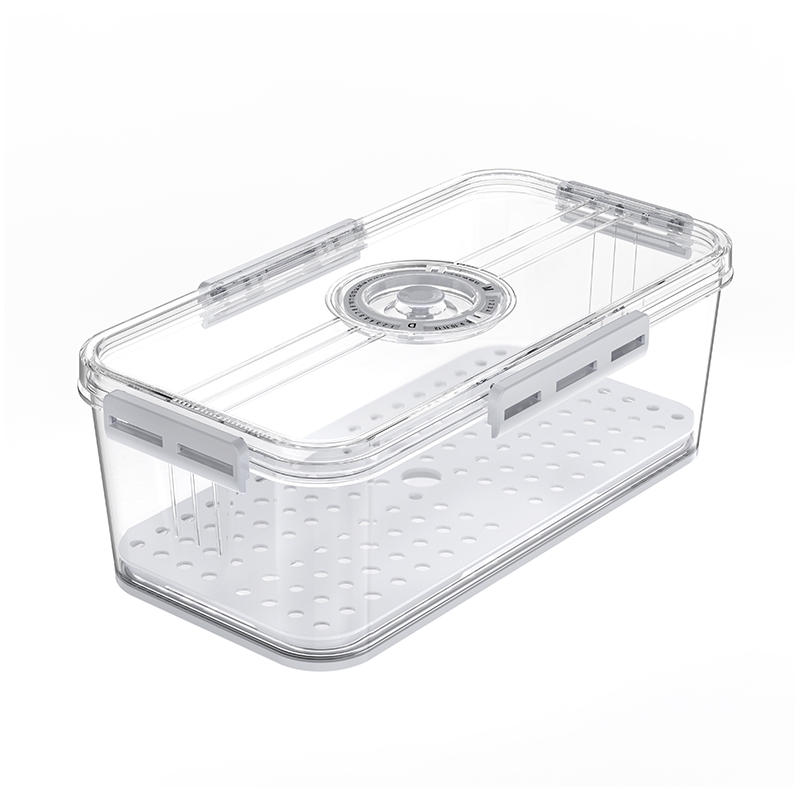
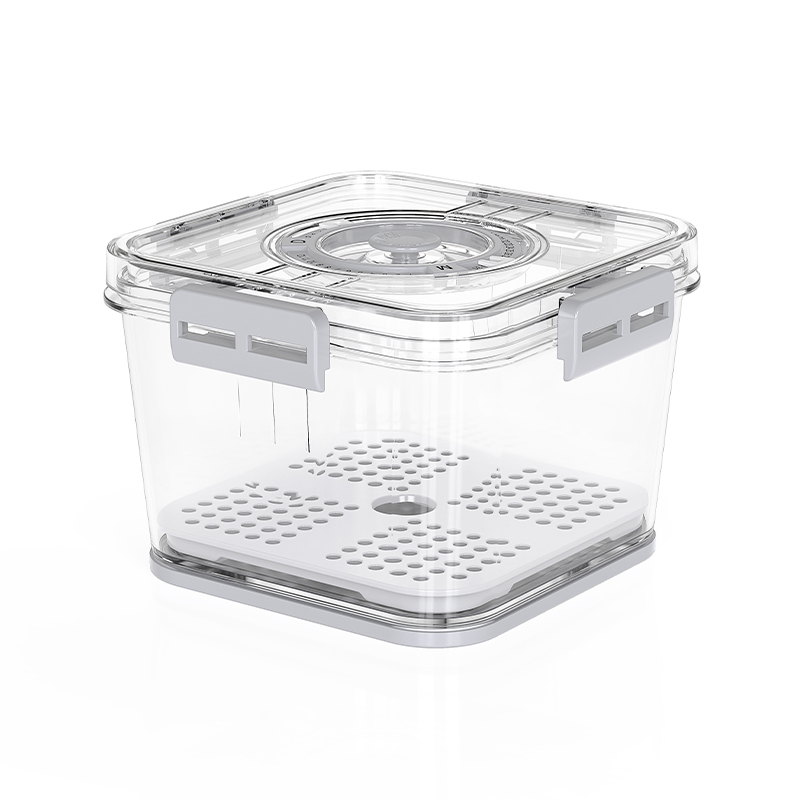
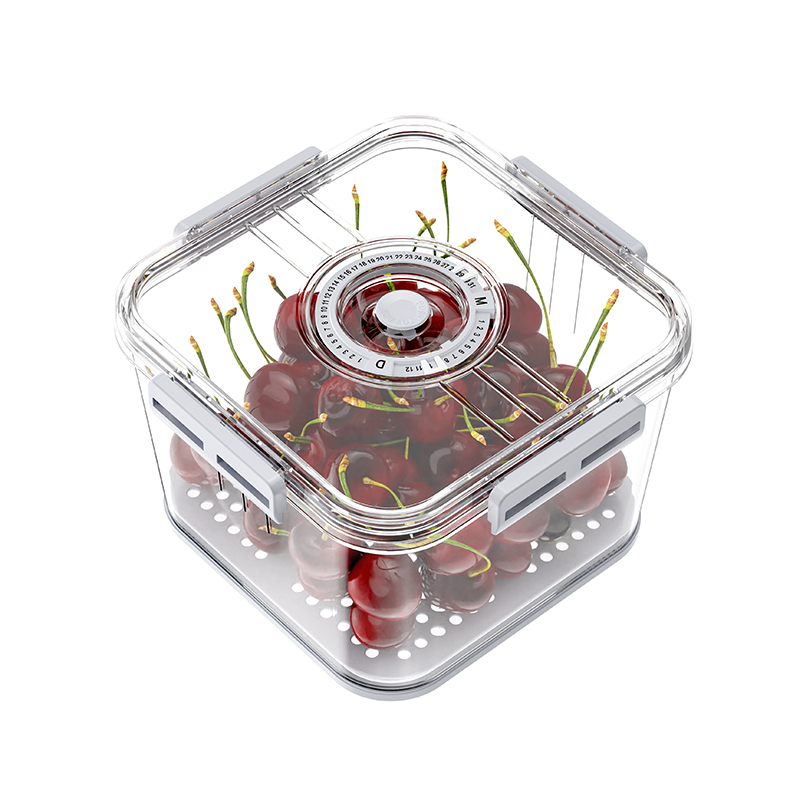 Orgwiser Medium Vacuum Fridge Food Storage BoxThis vacuum-sealed container slows oxidation to keep pre-cut produce and leftovers fresher for days. Its stackable design and easy-to-clean materials make it a practical choice for batch cooking enthusiasts.View Product →
The difference shows up after two or three days in the fridge. Regular airtight containers reduce airflow, but they still contain oxygen. A vacuum food storage box removes most of the air, so the environment inside the box shifts.
| Factor | Vacuum food storage box | Regular airtight container |
|---|---|---|
| Oxygen inside | Most air is pulled out through the valve | Air remains inside the sealed box |
| Odor transfer | Strong smells stay contained | Odors can linger and move between foods |
| Best use | Leftovers, cut fruit, cheese, opened packaged meats | Dry staples, larger batches, foods that do not oxidize quickly |
| Daily effort | Press the valve or small pump for a few seconds | Snap or press the lid closed |
| Shelf-life window | Usually longer for oxygen-sensitive foods | Depends on how airtight the lid stays over time |
Notice the trade-off. A vacuum food storage box is not meant to replace every tub in your kitchen. It is for foods that lose quality quickly after exposure to air, such as prepped vegetables, deli items, cheese, cooked grains, and leftovers you plan to eat within the week.
Not every box holds vacuum for long. Before buying, check the parts that experience real wear.
If you see a lid that does not sit flat, a valve that has to be pushed several times to hold, or a dark mold line inside the gasket channel, look for another model before you spend money. These details decide whether the box works for years or fails within a month.
A box is only useful if it fits the way you cook. A medium vacuum food storage box handles leftovers, prepped vegetables, and open packages of deli meat or fish. A clear stackable box with a built-in time marker makes the same system more practical: you can see how long a batch has been stored before opening the lid, which removes the guesswork behind “is this still okay?”
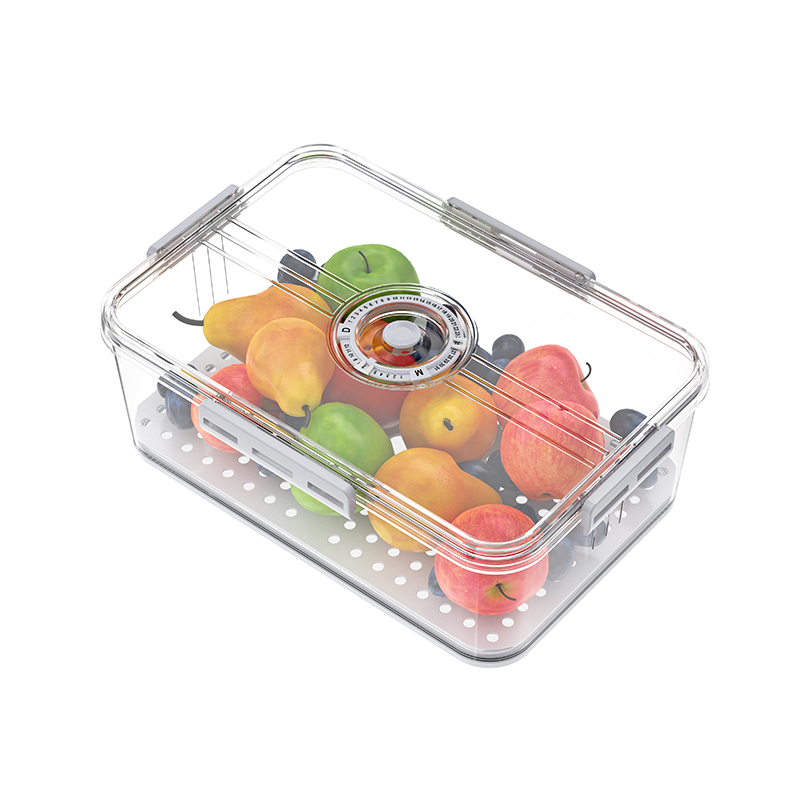 Orgwiser Stackable Fridge Timer Control BoxA clear, stackable container with a built-in date-tracking lid helps you monitor stored food at a glance, reducing guesswork and waste. Its leak-proof seal and durable build suit busy kitchens and home fridges.View Product →
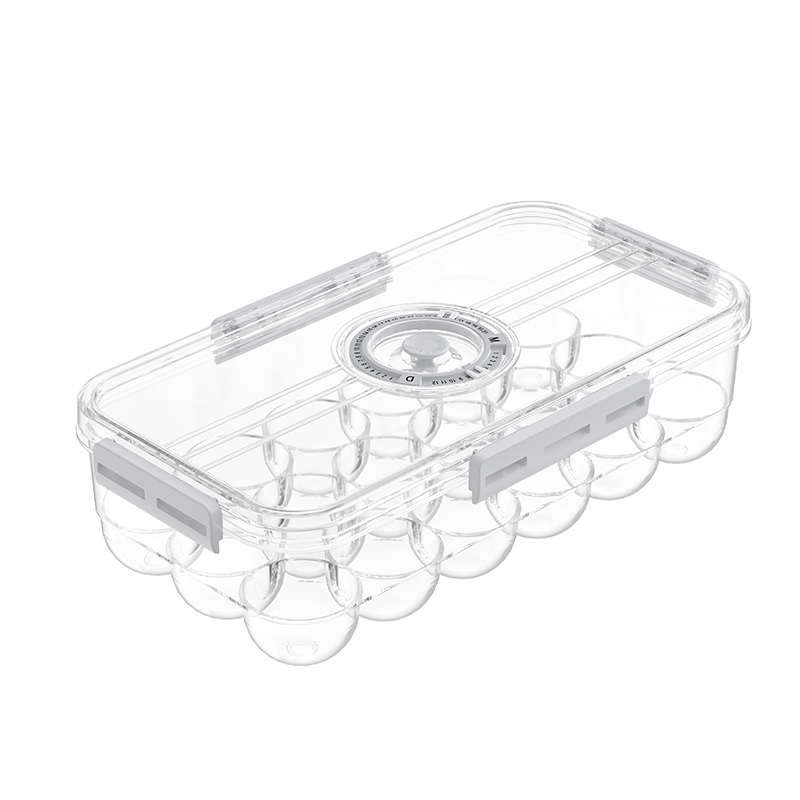
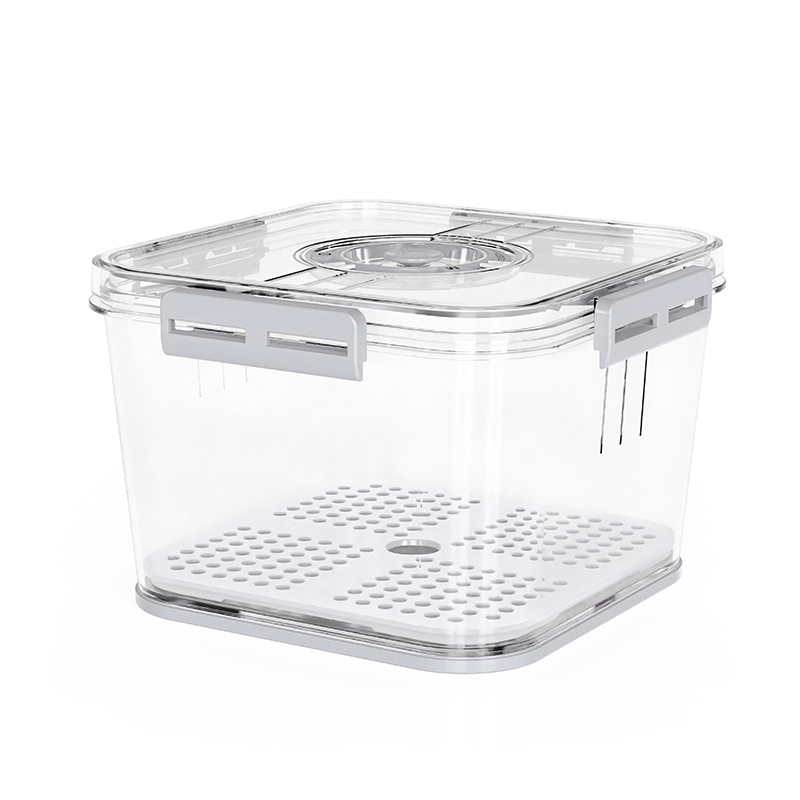
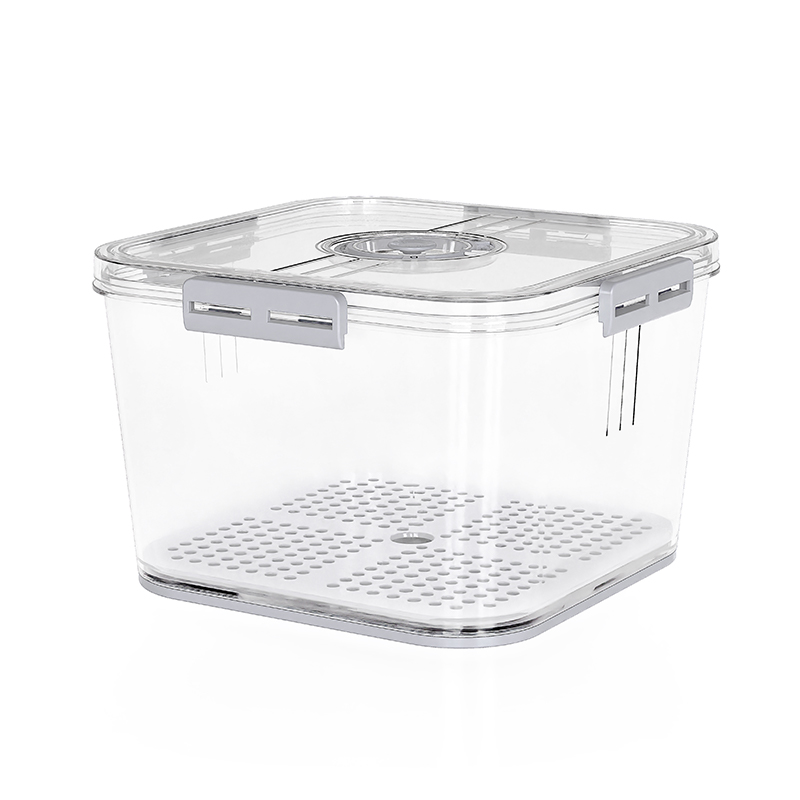
In Orgwiser’s kitchen storage range, the stackable fridge timer control box does exactly that. For foods that do not need full vacuum but still benefit from a reliable cover, the same category includes high-capacity storage boxes with drain boards and egg storage containers with time-tracker lids. Together, they make the fridge easier to scan, so you use older items first and avoid buying duplicates.
Even a correctly working vacuum box will not fix poor kitchen habits. It works best when you load it within a day or two of buying ingredients and follow a first-in, first-out routine.
These habits protect the seal and keep food from being exposed to air longer than necessary.
Most vacuum food storage boxes use food-grade PET for the main body because it is clear and lightweight. Lids and valves are usually PP or ABS because they take more physical abuse. Food-grade plastic does not mean heat-proof: let hot food cool first, and do not put the box in the microwave unless the label says it is safe.
For cleaning, remove the lid gasket and rinse it with warm soapy water. Air-dry every part completely before reassembling; moisture trapped under a worn gasket is the most common reason a vacuum box loses suction. If you need a deeper routine, this guide on how to clean and maintain home plastic storage organization covers the same principle.
A vacuum food storage box is not a magic device. It cannot revive food that has already started to spoil, and it will not replace basic fridge hygiene. For high-moisture foods such as sliced tomatoes or very wet salads, remove the liquid or use a standard container so the valve does not get dirty.
But for the foods that usually go bad too fast—fresh berries, cut vegetables, cheese, cooked rice, opened packaged meat—removing air buys you time. That time translates into less food waste, lower grocery bills, and fewer trips to the store. Start with one or two sizes that fit the way you cook. When the seal works well and the box sits neatly in your fridge, the habit becomes automatic: extra oxygen goes out, the lid clicks down, and that food is ready for another day.


Zhangqi Industrial Park, Cixi City, Ningbo City, Zhejiang Province

