
 Search for...
 English
 Español
 日本語
日本語
 한국어
한국어
 عربى
عربى
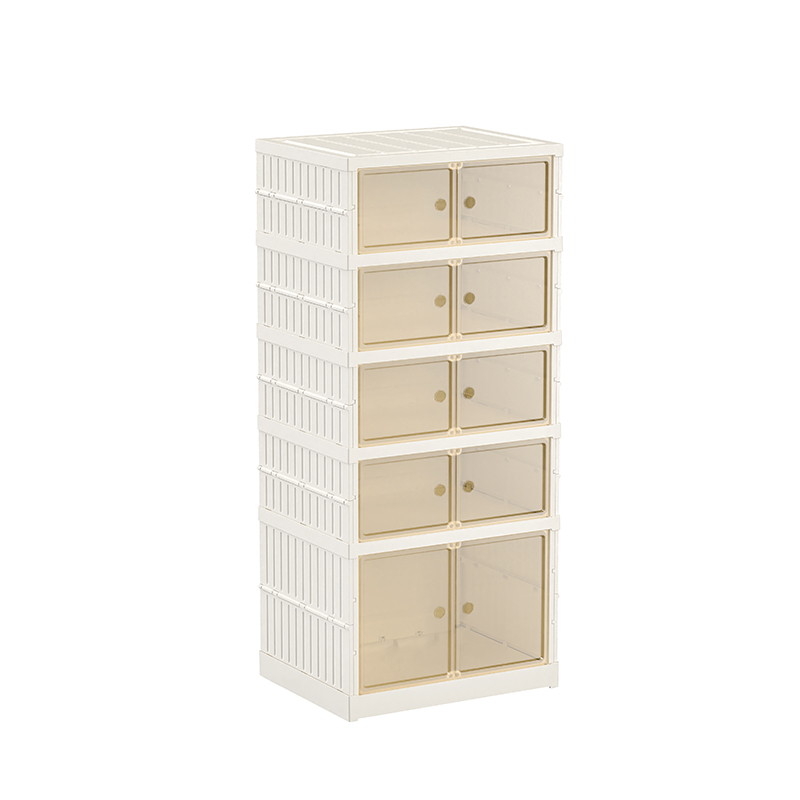
Multi-Purpose 6-Tier Foldable Storage Cabinet

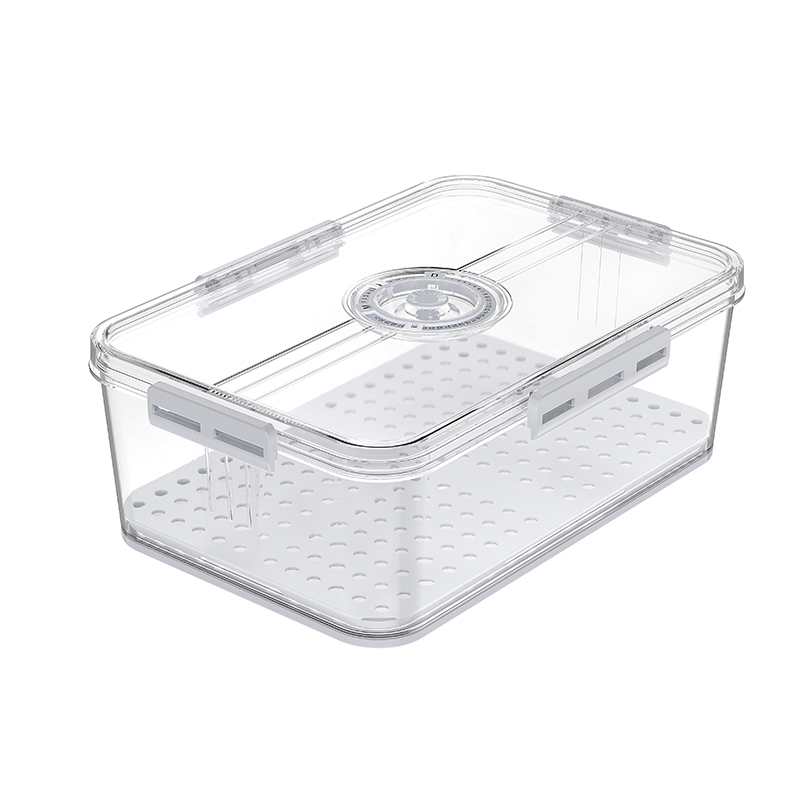
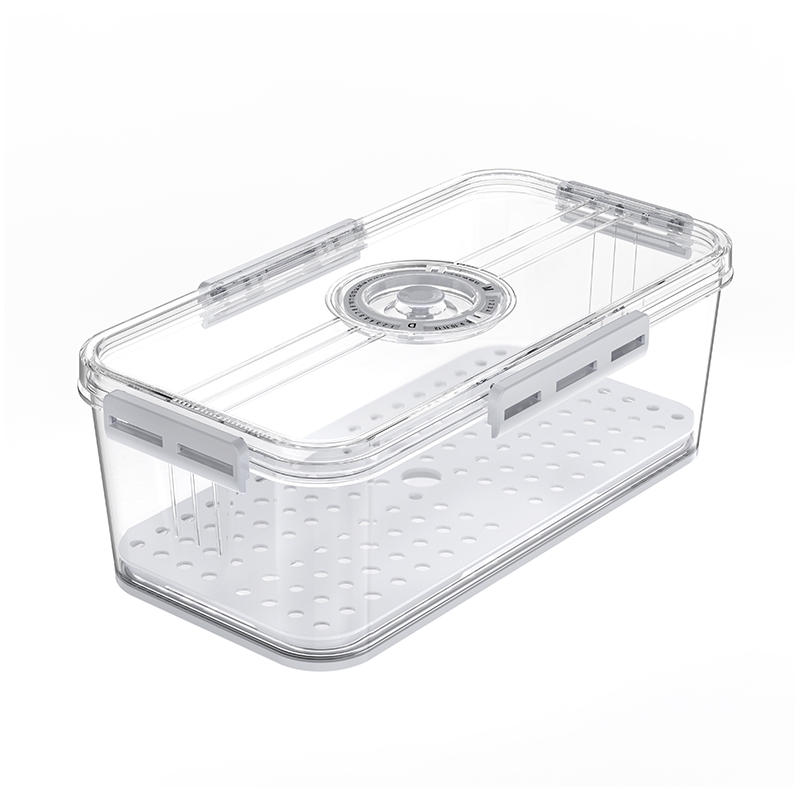
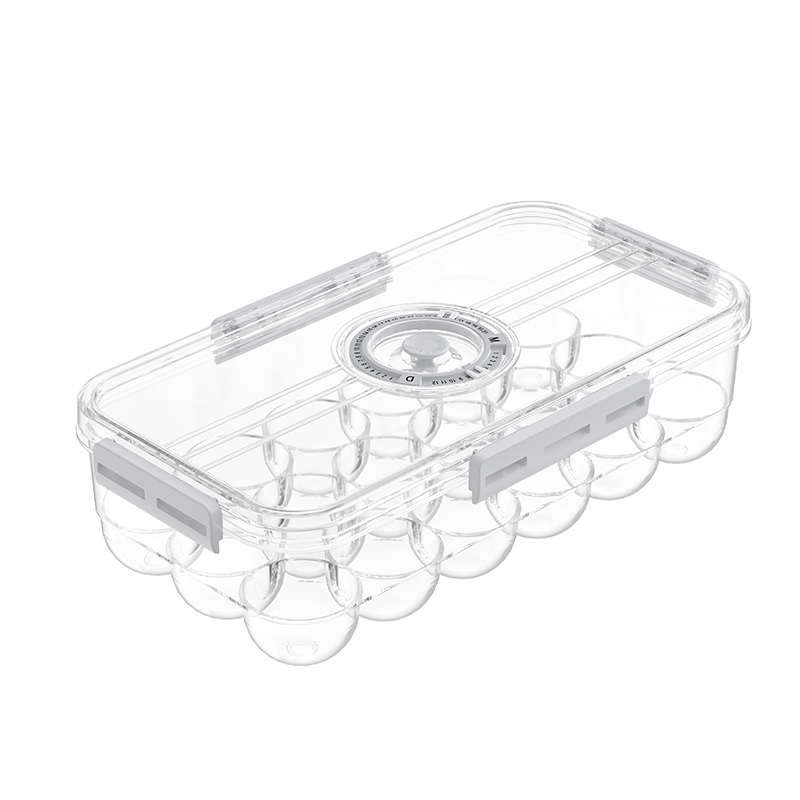
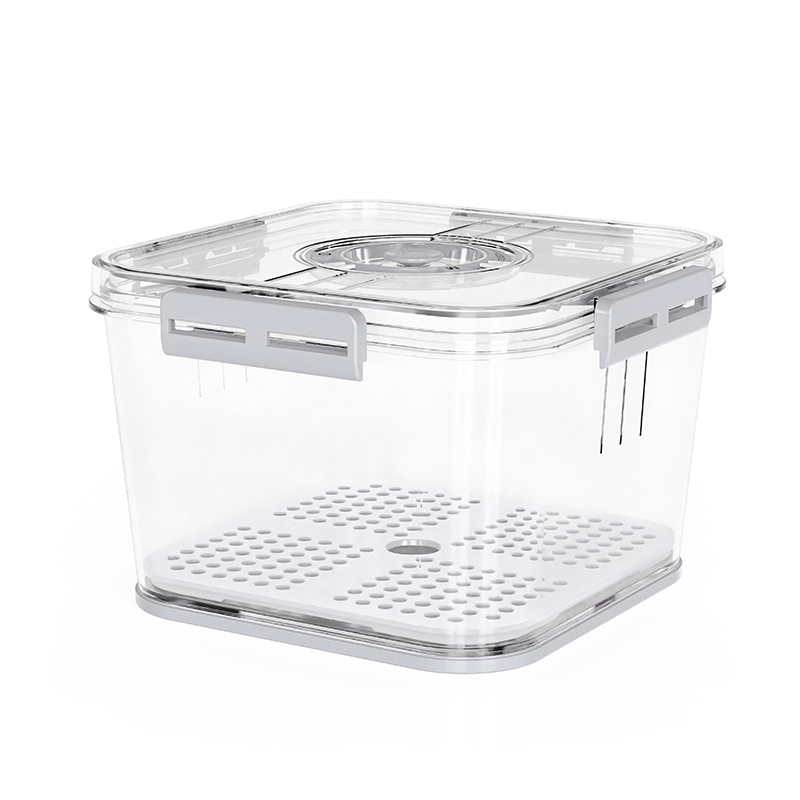
Stackable home plastic storage bins make the most of vertical space and work well for infrequently accessed items like seasonal decorations, while modular storage systems with interlocking drawers suit items needing frequent, easy access, like clothing or craft supplies. The right choice comes down to how often a household needs to reach specific items, not just how much total space is available.
Both storage types solve the same basic problem — keeping household items organized and protected — but they're built around different usage patterns. Stackable bins are designed to sit one on top of another, typically with interlocking lids or ridges that keep the stack stable, making them ideal for items pulled out only occasionally. Modular systems use individual drawers or cubes that slide in and out of a shared frame, prioritizing quick access over maximum vertical efficiency.
Different rooms and storage areas favor different container types based on humidity, temperature swings, and how often items get accessed. Choosing based on room alone, without considering these environmental factors, is one of the most common reasons plastic storage fails prematurely.
| Storage Location | Recommended Type | Key Consideration |
| Garage or shed | UV-stabilized stackable bins | Needs resistance to temperature swings and sun exposure |
| Attic | Sealed stackable totes with locking lids | Needs protection from dust, pests, and temperature extremes |
| Closet | Modular drawer units or slim stackable bins | Prioritizes vertical space and easy visual access |
| Under-bed storage | Low-profile flat bins with wheels | Needs to clear bed frame height, typically under 6 inches |
| Basement | Elevated stackable bins with sealed lids | Protects against moisture and potential flooding |
Not all home plastic storage containers are built from the same material, and the grade of plastic used has a direct effect on durability, chemical resistance, and how well a bin holds up over years of use.
Overloading stackable home plastic storage bins is one of the most common causes of collapsed stacks and damaged contents. Weight ratings typically apply per bin, not per stack, meaning the load on the bottom bin in a tall stack can exceed manufacturer recommendations even if each individual bin is within its own limit.
| Bin Size | Typical Weight Capacity | Recommended Stack Height |
| Small (under 20 quarts) | 15–25 lb | Up to 4 bins |
| Medium (20–40 quarts) | 25–40 lb | Up to 3 bins |
| Large (40+ quarts) | 40–60 lb | Up to 2 bins |
Placing heavier bins at the bottom of any stack and lighter, more fragile items on top reduces the risk of cracked lids and collapsed stacks, particularly in garages where bins are frequently moved or bumped.
The lid mechanism on home plastic storage bins affects how well contents stay protected from dust, pests, and moisture, which matters significantly more in garages, attics, and basements than in climate-controlled closets.
Buyers who use their storage system daily or weekly tend to prioritize different features than those storing purely seasonal items, focusing on features that reduce time spent searching for specific items.
Allow contents to be identified at a glance without opening every container, saving meaningful time when searching through multiple stacked bins.
A dedicated label area on the front or lid keeps handwritten or printed labels legible and consistent across a full storage system.
Especially useful for under-bed or garage storage, allowing bins to be pulled out without lifting, which matters for heavier loads.
Useful for smaller items like craft supplies, hardware, or seasonal decorations that would otherwise shift and tangle inside a single large compartment.
Buying too few bins leads to overstuffed containers and cracked lids, while buying too many wastes both money and space. A practical approach starts with sorting items by category and estimating volume before purchasing.
A few consistent habits meaningfully extend how long home plastic storage containers stay functional and crack-free, particularly in garages and outdoor storage areas exposed to temperature swings.
| Maintenance Task | Recommended Frequency |
| Wipe down bins and check for cracks | Every 6 months |
| Check seals on gasket-lidded bins for wear | Annually |
| Rotate stack order to redistribute weight stress | Every time seasonal items are swapped |
| Avoid direct sunlight exposure for non-UV-rated bins | Ongoing, relocate if sun exposure increases seasonally |
UV-stabilized stackable bins with gasket-sealed lids work best in garages, since they resist temperature swings, sun exposure, and moisture better than standard indoor storage bins.
Weight limits typically range from 15 to 60 pounds depending on bin size, and it's important to remember these ratings usually apply per bin rather than to the total stack.
Polypropylene offers better flexibility and cold-weather crack resistance, while HDPE is more rigid and better suited to heavy-duty items, so the better choice depends on what's being stored.
Stackable bins work best for infrequently accessed items like seasonal decorations, while modular drawer systems suit items needing regular, independent access, such as clothing or craft supplies.
Choose UV-stabilized bins for sun-exposed areas, avoid overloading beyond the stated weight capacity, and store bins away from extreme temperature swings whenever possible.


Zhangqi Industrial Park, Cixi City, Ningbo City, Zhejiang Province

