
 Search for...
 English
 Español
 日本語
日本語
 한국어
한국어
 عربى
عربى
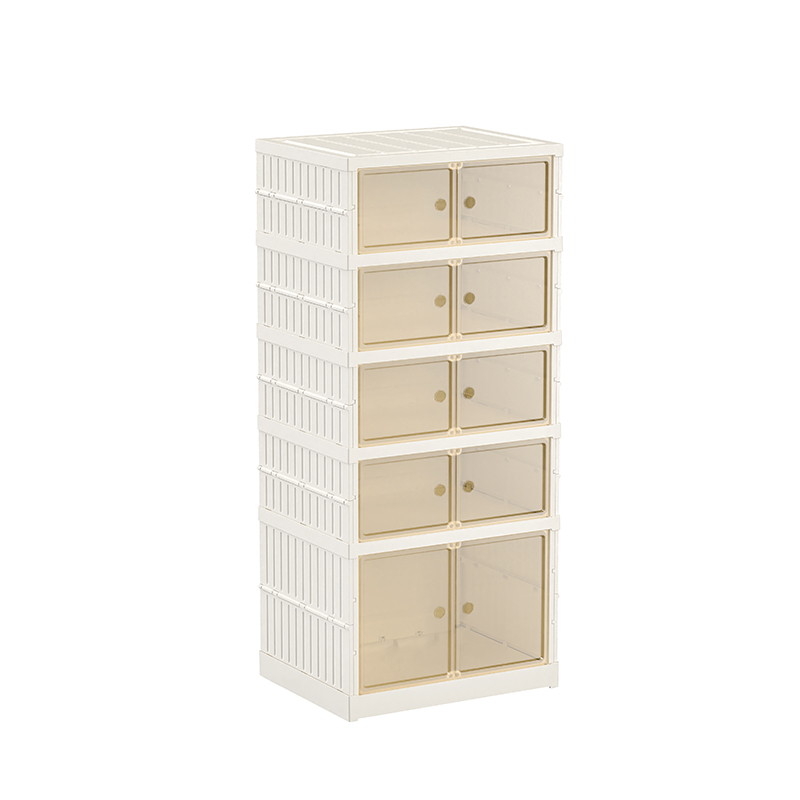
Multi-Purpose 6-Tier Foldable Storage Cabinet

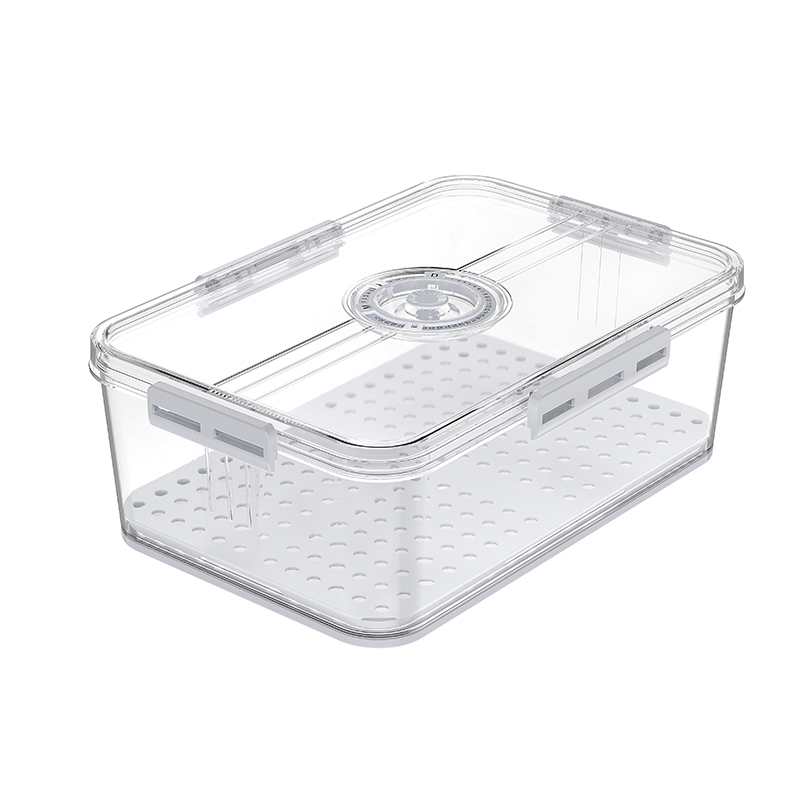
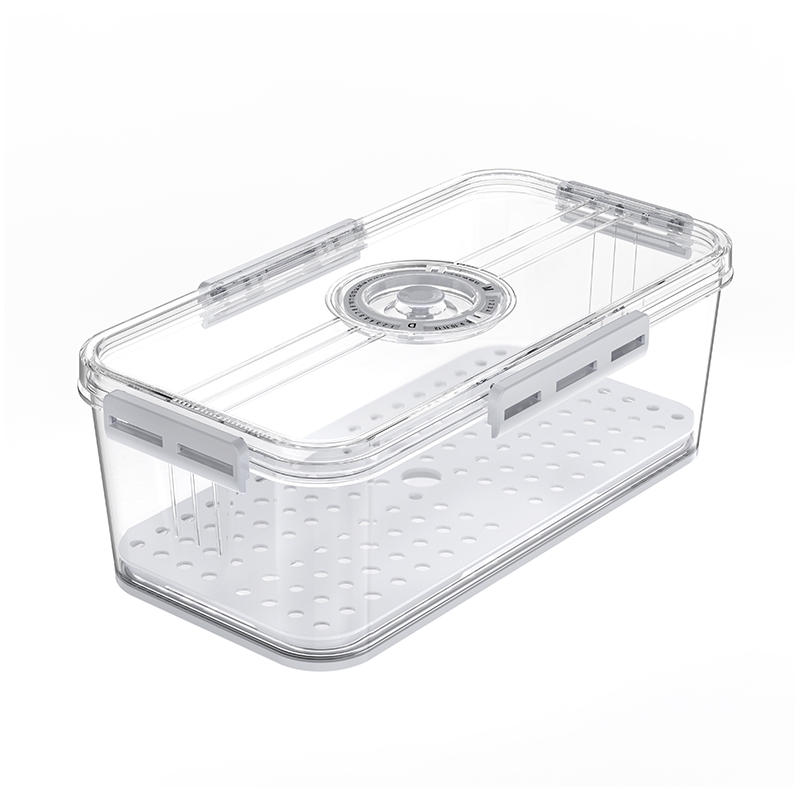
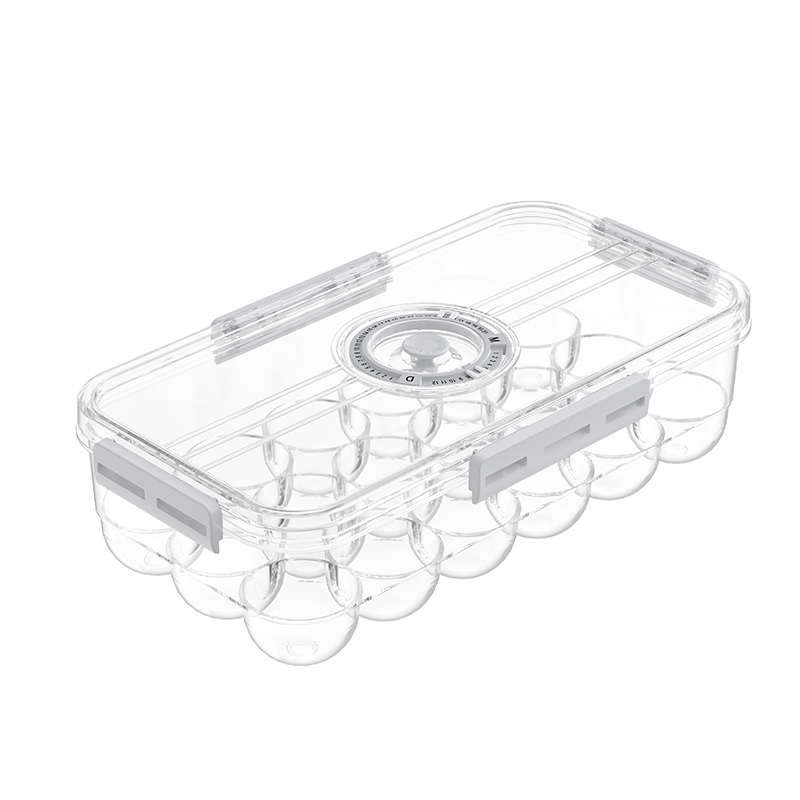
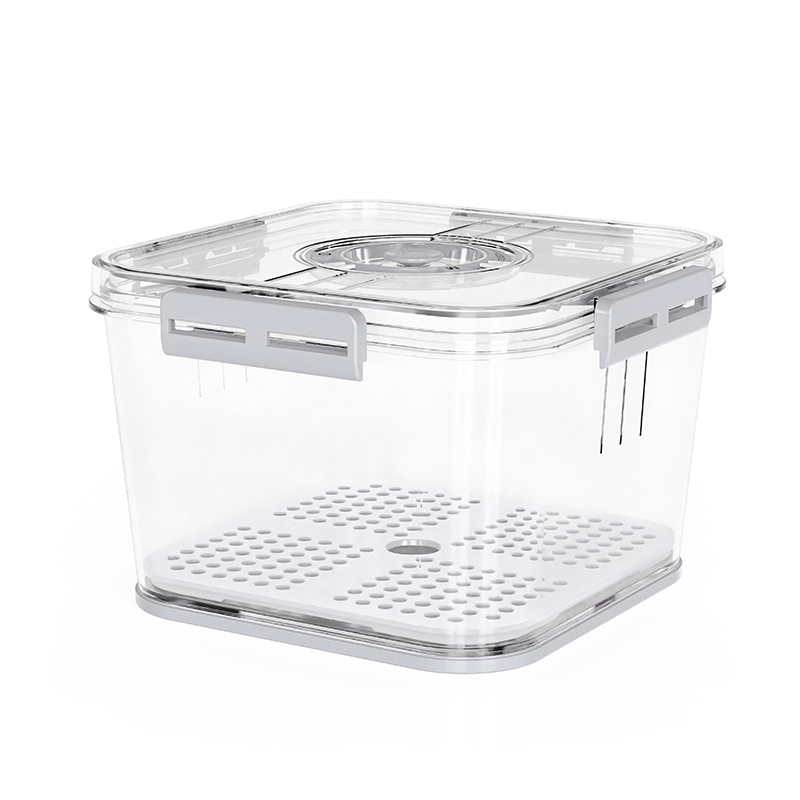
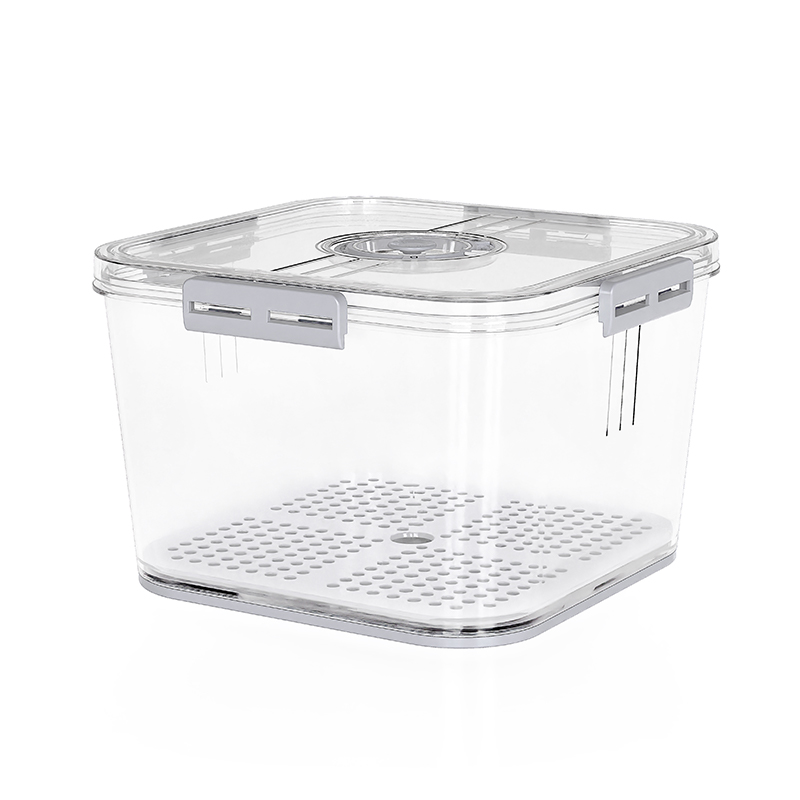
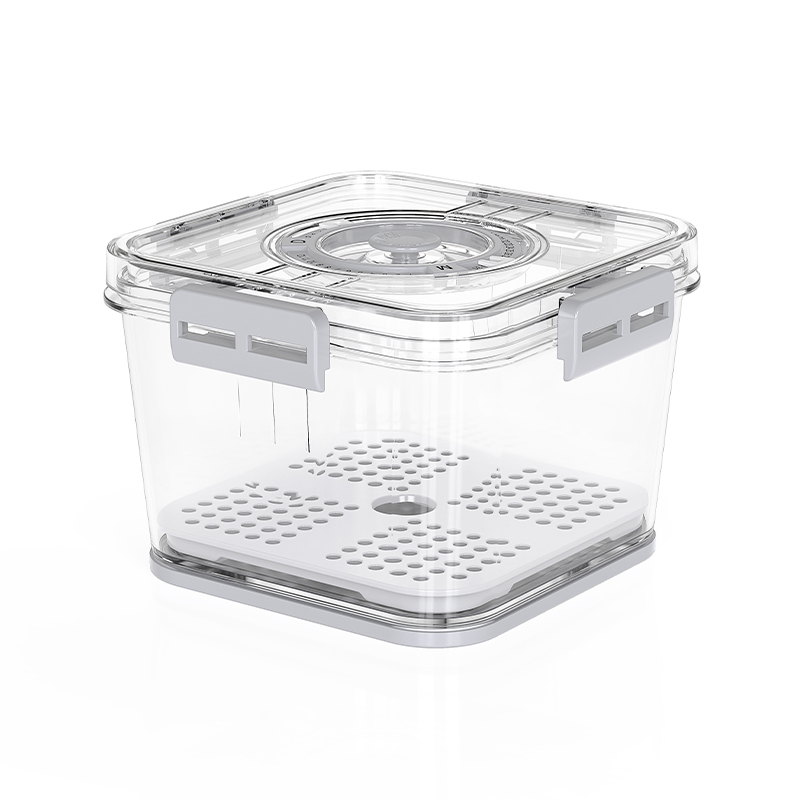
Direct Answer: High-quality kitchen plastic storage offers an unmatched strength-to-weight ratio, shatter resistance, and modular versatility that competing materials like glass or stainless steel cannot match. While glass excels in thermal resistance and stainless steel offers industrial durability, modern BPA-free polymers like Tritan and high-density polypropylene deliver the most space-efficient, cost-effective, and drop-safe solution for long-term dry food preservation, fridge organization, and daily meal preparation.
Selecting the right containers for your culinary space directly impacts food longevity, kitchen efficiency, and health standards. While high-end kitchen organization trends frequently feature sleek glass canisters or rustic ceramic jars, modern high-grade kitchen plastic storage remains the backbone of professional and residential food management systems worldwide. Evaluating storage materials requires analyzing practical variables like impact strength, weight-to-volume ratio, moisture-barrier precision, and long-term cost per unit of utility.
To make an informed decision for your pantry and refrigeration setup, standard storage mediums must be compared across functional categories. Plastic containers made from food-grade Polypropylene (PP) and Tritan co-polyester provide unique physical advantages when measured against high-borosilicate glass and 304 food-grade stainless steel.
| Criteria | High-Grade Kitchen Plastic | Borosilicate Glass | Stainless Steel |
| Impact Resistance | Exceptional: Absorbs drops from heights over 1.5 meters onto hard tile without cracking. | Moderate/Low: Prone to chipping, cracking, or shattering upon impact. | High: Will not shatter, but susceptible to surface denting upon severe impact. |
| Tare Weight | Ultra-Light: Weighs up to 70% less than equivalent glass volume, reducing transport strain. | Heavy: Adds significant dead weight to shelves, pull-out drawers, and bags. | Moderate: Lighter than glass, but heavier than thin-wall polymers. |
| Modular Stacking | Precision Molded: Engineered to sub-millimeter tolerances for seamless interlocking stacks. | Variable: Limited stackability due to manufacturing tolerances and weight risk. | Moderate: Often nestable when empty, but rarely designed for secure stacking when full. |
| Thermal Versatility | Good: Freezer-safe (-20°C) and microwave-reheat safe; non-ovenable. | Superior: Handles thermal shocks up to 400°C; safe for ovens, microwaves, and freezers. | Specialized: Excellent freezer performance; safe for stovetops/ovens, completely unsafe for microwaves. |
| Transparency | High: Modern Tritan delivers 90%+ optical clarity for immediate content scanning. | Absolute: 100% transparent and completely scratch-resistant over decades. | Opaque: Requires labels or top-view clear lids to identify interior contents. |
The safety profile of modern kitchen plastic storage has advanced dramatically over the last decade. Early consumer plastics raised legitimate health concerns regarding bisphenol-A (BPA) leaching under high heat. Today's commercial-grade kitchen containers utilize specialized polymers engineered specifically for strict food contact standard compliance.
Delivers glass-like clarity with zero risk of shattering. It is entirely free from BPA, BPS, and all other bisphenols. Engineered to endure over 500 commercial dishwasher cycles without clouding or surface crazing.
Recognized globally for its high melting point (~160°C) and robust chemical inertia. It resists acidic sauces, fats, and moisture penetration, making it the industry standard for microwave-safe food containers.
Offers extreme toughness and cold-temperature impact resistance. Ideal for bulk ingredient bins and deep-freeze preservation systems down to -40°C without risk of embrittlement.
Data from independent material testing reveals that high-grade Tritan containers maintain structural integrity under load tests exceeding 80 kilograms of static force while keeping internal contents sealed against humidity levels up to 95%. This structural resilience translates directly into long-term savings for high-density kitchen environments.
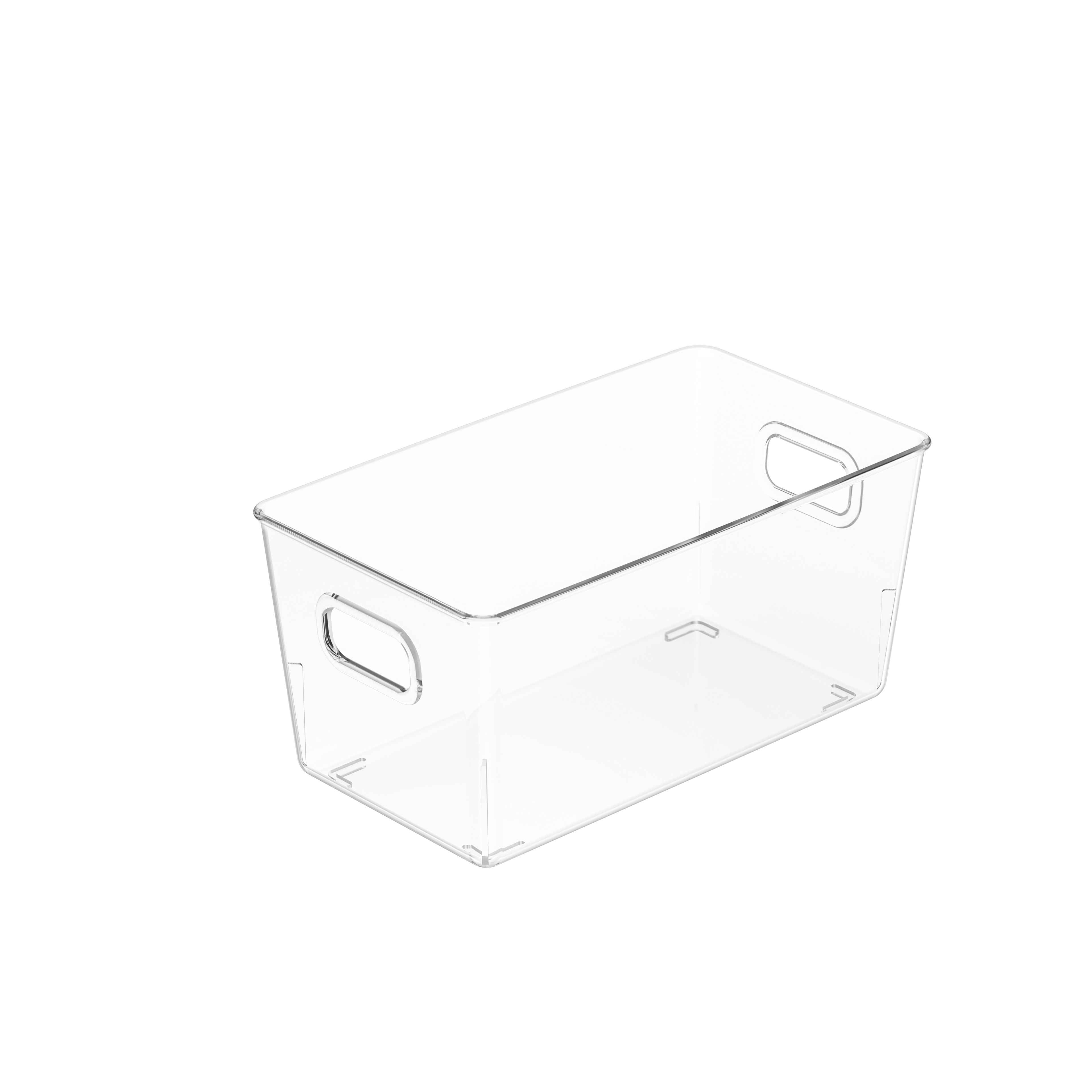
Kitchen space in luxury residences and commercial culinary spaces commands a premium value. Optimizing cubic capacity requires storage systems designed to eliminate wasted vertical and horizontal dead space. High-performance kitchen plastic storage utilizes sharp, right-angled geometries rather than traditional rounded profiles.
While glass or stainless steel often carry a higher initial perception of prestige, comprehensive life-cycle calculations consistently favor premium kitchen plastic storage solutions. Commercial test kitchens report average annual glass container breakage rates between 12% and 18% due to high-turnover handling, accidental drops, and thermal shocks during dishwashing.
In contrast, commercial-grade polymer containers exhibit a replacement rate under 1.5% over a 5-year operational window. When evaluating total cost of ownership across a typical luxury kitchen setup with 40 to 60 dedicated storage units, the high drop-resistance of plastic saves substantial capital over time by eliminating structural failures and reducing food waste caused by compromised airtight seals.


Zhangqi Industrial Park, Cixi City, Ningbo City, Zhejiang Province

